


Get to know Zhaoyuan County
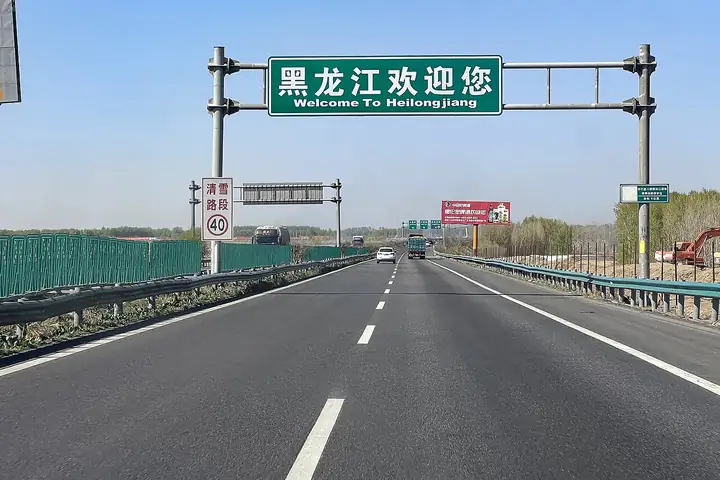
Photo adjustments
EXIF orientation normalized; resized without changing aspect ratio; converted to WebP. No subject edits.
- Administrative area
- County · 县
- Part of
- Daqing
- Chinese name
- 肇源县
- Local areas
- County guide
Area & population
- Area in the source
- 4,198.00 km²
- Population · 2013
- 475,800
- Administrative seat
- Zhengfu Street No. 304, Zhaoyuan Town (肇源镇政府大街304号)
Source: cited geographic source, as of the dates shown.
Setting and landscape
The county government sums up its landscape as wide rivers and open skies, with plentiful water and good grassland. To the north it meets Datong District (大同区) and Zhaozhou County (肇州县), to the north-west the Dorbod Mongol Autonomous County (杜尔伯特蒙古族自治县), and to the east the city of Suihua (绥化).
History
The county government claims 6,500 years of history for the area. It describes Zhaoyuan as part of the Liao and Jin heartland, as the home of the Liao empress Qitian (齐天皇后), and as a place where Wanyan Aguda (完颜阿骨打), founder of the Jin dynasty, laid the groundwork for his rule. In 1935 the Gorlos Rear Banner moved its office to Zhaoyuan town. On 11 April 1956 the State Council approved renaming the banner Zhaoyuan County, and in 1992 the county was placed under Daqing.
What to see
Two archaeological sites in the county are on the national list of major protected historical sites. The Baijinbao site (白金宝遗址) stands on the second terrace above the left bank of the Nen, at Baijinbao hamlet in Minyi township (民意乡). It was found in 1974, and more than 1,300 square metres have been excavated. Digs uncovered semi-sunken house floors and pottery, including ding tripods, and Chinese Wikipedia dates the culture to between the late Shang and the middle Western Zhou. Animal designs on the pots show some influence from the Central Plains. The Xiaolaha site (小拉哈遗址) spans the Neolithic to the Warring States period.
Highlights
- Baijinbao site 白金宝遗址: Bronze Age settlement on a terrace of the Nen River, found in 1974; on the national list of major protected sites.
- Xiaolaha site 小拉哈遗址: Archaeological site from the Neolithic to the Warring States period, on the national list.
Sources for this guide
肇源县 - 维基百科,自由的百科全书 · Chinese Wikipedia · CC BY-SA 4.0
走进肇源 · Zhaoyuan County People's Government
白金宝文化 - 维基百科,自由的百科全书 · Chinese Wikipedia · CC BY-SA 4.0
黑龙江省境内的全国重点文物保护单位列表 - 维基百科,自由的百科全书 · Chinese Wikipedia · CC BY-SA 4.0
肇源县历史沿革 · Zhaoyuan County People's Government
Original English written from the listed sources and checked sentence by sentence against quoted extracts by a separate reviewer. Updated 2026-09-24.
Explore Zhaoyuan County
Core places to explore, with English and Chinese names.
Zhaoyuan County 肇源县
Plan your visit
Getting there
Zhaoyuan County is about 120 km in a straight line from central Daqing. Search for 肇源县 in a map app to find stations and your accommodation.
Where to stay →More in Daqing
Sources & geographic information
Administrative names and parent areas: Official geographic directory · Reference date 2026-09-06.
Some facts checked against 肇源县 — Wikipedia contributors, CC BY-SA 4.0.
Some facts checked against 白金宝文化 — Wikipedia contributors, CC BY-SA 4.0.
Some facts checked against 黑龙江省境内的全国重点文物保护单位列表 — Wikipedia contributors, CC BY-SA 4.0.
Map data © OpenStreetMap contributors. Pins mark approximate centres, not entrances or boundaries.