


Get to know Fangzheng County
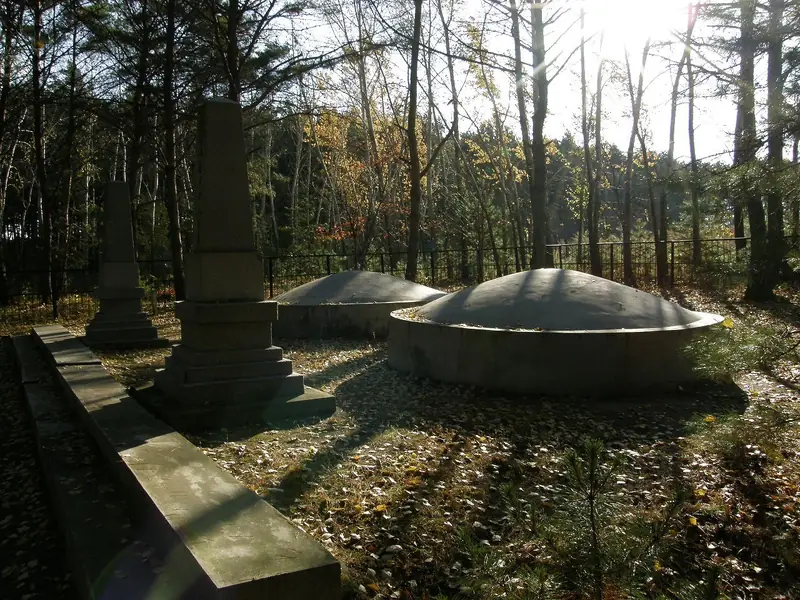
Photo adjustments
Full frame retained; EXIF orientation normalized, proportionally resized to at most 800 pixels and converted to WebP. No generated pixels or subject changes. Cards may crop the display.
- Administrative area
- County · 县
- Part of
- Harbin
- Chinese name
- 方正县
- Local areas
- County guide
Area & population
- Area in the source
- 2,968.60 km²
- Population · 2010
- 203,853
Source: cited geographic source, as of the dates shown.
Setting and landscape
Twenty-one rivers in four river systems cross the county, among them the Songhua and the Mayi River (蚂蚁河). The hills include Shuangzi Mountain (双子山), now a primeval forest park, and the county also has Lotus Lake (莲花湖) and the Xiangshui River (响水河).
History
The county takes its name from Fangzheng Pao (方正泡), a lake north of the county town. It was founded in 1909 under Jilin; its first seat was at Sanzhan (三站) on the north bank of the Songhua, and when that place passed to Heilongjiang the seat moved to the south bank. Fangzheng joined Heilongjiang in 1954, came under Songhuajiang prefecture in 1979 and under Harbin in 1991.
Food and local products
The county government calls Fangzheng the birthplace of the dry-nursery, sparse-planting method for growing rice in cold regions, and farmers have worked on selenium-enriched rice since the 1980s. Rice-farming customs, kept alive through transplanting, rice-flower and harvest festivals, entered the provincial intangible heritage list in 2024.
The Fangzheng silver crucian carp (方正银鲫) is named after the county because it originates in Shuangfeng Lake (双凤湖) there. It is described as the only triploid silver crucian carp in the world with both sexes, and a national stock-breeding farm for it was set up at Shuangfeng Reservoir in 1991. Demoli stewed live fish (得莫利炖活鱼) comes from Demoli (得莫利), a fishing village whose fishermen had mastered the method as early as the 1920s and 1930s; it was placed on the municipal intangible heritage list in 2010.
Highlights
- Fangzheng rice 方正大米: Selenium-enriched rice; the county calls itself the birthplace of cold-region dry-nursery rice planting.
- Fangzheng silver crucian carp 方正银鲫: Triploid carp with both sexes, native to the county's Shuangfeng Lake.
- Demoli stewed live fish 得莫利炖活鱼: Fishing-village dish from Demoli; municipal intangible heritage since 2010.
- Shuangzi Mountain 双子山: Hill now protected as a primeval forest park.
Sources for this guide
哈尔滨市方正县人民政府—县域概况—县域概况 · Fangzheng County People's Government
方正县 - 维基百科,自由的百科全书 · Chinese Wikipedia · CC BY-SA 4.0
哈尔滨市方正县人民政府—特产美食—方正富硒大米 · Fangzheng County People's Government
哈尔滨市方正县人民政府—传统非遗—方正稻作习俗 · Fangzheng County People's Government (Culture, Sports, Radio, TV and Tourism Bureau)
哈尔滨市方正县人民政府—特产美食—方正银鲫 · Fangzheng County People's Government
哈尔滨市方正县人民政府—传统非遗—方正县得莫利炖活鱼 · Fangzheng County People's Government (Culture, Sports, Radio, TV and Tourism Bureau)
Original English written from the listed sources and checked sentence by sentence against quoted extracts by a separate reviewer. Updated 2026-09-24.
Explore Fangzheng County
Core places to explore, with English and Chinese names.
Fangzheng County 方正县
Plan your visit
Getting there
Fangzheng County is about 170 km in a straight line from central Harbin. Search for 方正县 in a map app to find stations and your accommodation.
Where to stay →More in Harbin
Sources & geographic information
Administrative names and parent areas: Official geographic directory · Reference date 2026-09-06.
Some facts checked against 方正县 — Wikipedia contributors, CC BY-SA 4.0.
Map data © OpenStreetMap contributors. Pins mark approximate centres, not entrances or boundaries.