


Get to know Linkou County
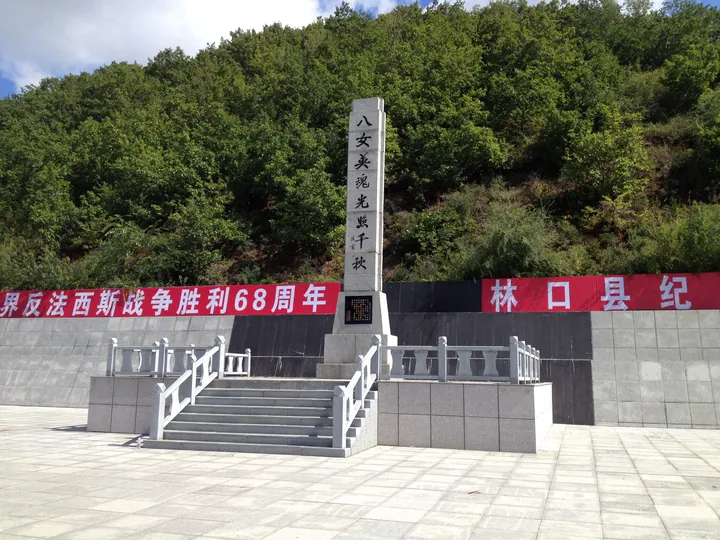
Photo adjustments
Full frame retained; proportionally resized and converted to WebP. No retouching or changes to the photographed subject. Card displays may crop the view.
- Administrative area
- County · 县
- Part of
- Mudanjiang
- Chinese name
- 林口县
- Local areas
- County guide
Area & population
- Area in the source
- 7,191.00 km²
- Population · 2020
- 238,193
Source: cited geographic source, as of the dates shown.
Setting and landscape
The Mudanjiang city government places the county at the forest gorge between the Zhangguangcai (张广才岭) and Laoye (老爷岭) ranges; Chinese Wikipedia puts it where the Laoye Range meets the Wanda Mountains (完达山), and explains "lin" as the dense forest and "kou" as the point where two ranges join. Forest covers more than 60 per cent of the county. Local tourism promotes its lake views and rime-covered trees.
History
Archaeological finds show people living here in the Neolithic, four to five thousand years ago. The land later passed through the Sushen (肃慎), Yilou (挹娄), Wuji (勿吉) and Mohe (靺鞨) peoples and the Bohai kingdom, and under the Qing it came under the military governor at Ningguta (宁古塔). The county itself was only created in 1939, later than the other counties of Mudanjiang.
Facing Japanese troops, eight women fighters led by Leng Yun (冷云) walked into the river, an episode known as the Eight Women Drowning Themselves in the River (八女投江). The resistance commanders Zhou Baozhong (周保中) and Chai Shirong (柴世荣) also worked in Linkou.
What to see
The Eight Women memorial hall (八女投江遗址纪念馆) stands at the site where they died, which is on China's first national list of memorial facilities and sites of the War of Resistance. The hall is on the national list of classic red-tourism sites and is a national patriotic-education base.
Linkou is known as a home of Chinese calligraphy, and its silkworm-wing embroidery (蚕翼绣) is on Heilongjiang's provincial intangible heritage list; pieces have been given as state gifts to leaders from Russia and Cameroon.
Food and local products
Linkou holds the title of China's home of winter-fruit sea buckthorn (冬果沙棘), and local tourism promotes eating goose and drinking sea buckthorn. Red raspberries, European hazelnuts, edible fungi, potatoes and pumpkins are also grown. Linkou dittany root bark (林口白鲜皮), Linkou astragalus (林口黄芪) and Diaoling melons (刁翎甜瓜) hold national geographical-indication status, and Kuishan vermicelli (奎山粉条) has been served at the Great Hall of the People.
Getting oriented
The county seat is Linkou town (林口镇), one of 11 towns. National Highway 201 crosses the county.
Highlights
- Eight Women Memorial Hall 八女投江遗址纪念馆: Memorial at the site where eight women resistance fighters drowned themselves; national patriotic-education base.
- Silkworm-wing embroidery 蚕翼绣: Provincial intangible heritage craft, given as state gifts abroad.
- Kuishan vermicelli 奎山粉条: Local starch noodles served at the Great Hall of the People.
- Diaoling melon 刁翎甜瓜: Melon with national geographical-indication status.
Explore Linkou County
Core places to explore, with English and Chinese names.
Linkou County 林口县
Plan your visit
Getting there
Linkou County is about 95 km in a straight line from central Mudanjiang. Search for 林口县 in a map app to find stations and your accommodation.
Where to stay →More in Mudanjiang
Sources & geographic information
Administrative names and parent areas: Official geographic directory · Reference date 2026-09-06.
Some facts checked against 林口县 — Wikipedia contributors, CC BY-SA 4.0.
Map data © OpenStreetMap contributors. Pins mark approximate centres, not entrances or boundaries.