


Get to know Longmatan District
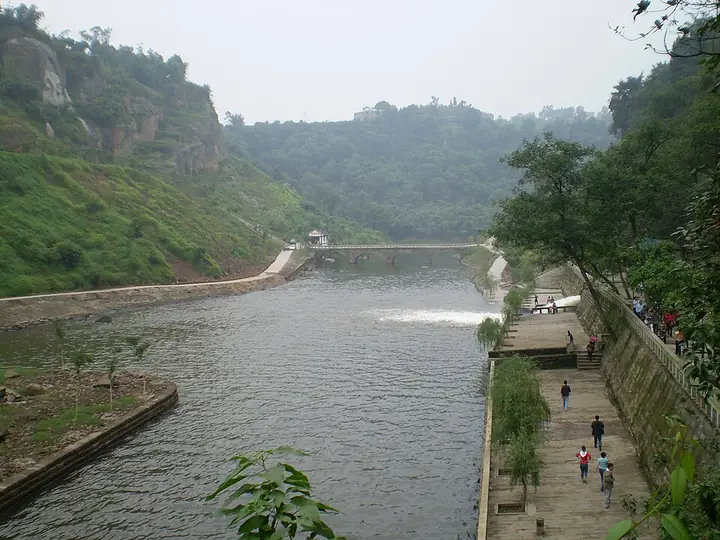
Photo adjustments
Full-frame source proportionally resized and converted to WebP for display. No subject alteration. Source-supplied marks and edits remain; cards may crop the view.
- Administrative area
- District · 市辖区
- Part of
- Luzhou
- Chinese name
- 龙马潭区
- Local areas
- District guide
Area & population
- Area in the source
- 340.80 km²
- Population · 2020
- 479,697
Source: cited geographic source, as of the dates shown.
River transport and local culture
Luzhou Port (泸州港) is a defining part of Longmatan's transport landscape, alongside Yunlong Airport (云龙机场) and the Mianyang–Luzhou high-speed railway (绵泸高铁). Cultural stops include the Jiang Zhaohe Former Residence Exhibition Hall (蒋兆和故居陈列馆) and Dongwo Hydropower Station (洞窝水电站). The district's name is traditionally linked to a story in which a horse becomes a dragon and enters a pool.
Markets and local flavours
Named local foods include Panlong eel (盘龙黄鳝), garlic ribs (蒜香排骨), rice-puff sweets (米花糖) and oil-braised crayfish (油焖小龙虾). Jiucheng Cultural and Creative Food Street (酒城文创美食街) is one of its food-focused urban spaces. Wanda Xingchen Night Market (万达星辰夜市) and Huasheng Baolong Shiguang Night Market (华升宝龙时光夜市) add further evening market settings.
Sources for this guide
“幸福港 龙马潭” 泸州市龙马潭区“幸福密码”解锁 · People’s Daily Online
泸州龙马潭区人大:助推文旅商深度融合发展_重庆市大足区人大常委会 · Dazu District People’s Congress / Sichuan Online
Original English written from the listed sources and checked sentence by sentence against quoted extracts by a separate reviewer. Updated 2026-09-26.
Explore Longmatan District
Core places to explore, with English and Chinese names.
Longmatan District 龙马潭区
Plan your visit
Getting there
Longmatan District is about 5 km in a straight line from central Luzhou. Search for 龙马潭区 in a map app to find stations and your accommodation.
Where to stay →More in Luzhou
Sources & geographic information
Administrative names and parent areas: Official geographic directory · Reference date 2026-09-06.
Map data © OpenStreetMap contributors. Pins mark approximate centres, not entrances or boundaries.