


Get to know Zizhong County
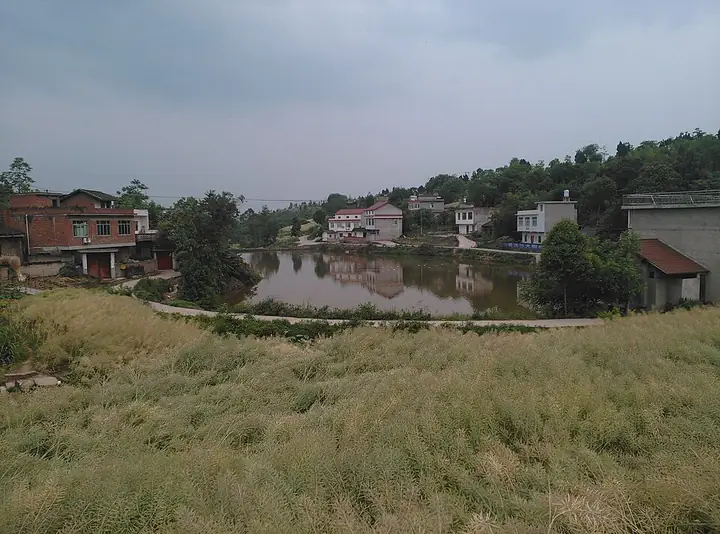
Photo adjustments
Full-frame source proportionally resized and converted to WebP for display. No subject alteration. Source-supplied marks and edits remain; cards may crop the view.
- Administrative area
- County · 县
- Part of
- Neijiang
- Chinese name
- 资中县
- Local areas
- County guide
Area & population
- Area in the source
- 1,734.00 km²
- Population · 2020 census
- 845,579
- Administrative seat
- Shuinan
Source: cited geographic source, as of the dates shown.
Setting and landscape
Most of the county is low hill country, higher in the southwest and lower in the northeast, with the Tuo, Qiuxi (球溪河) and Mengxi (濛溪河) as its main rivers. The county town sits against Chonglong Mountain (重龙山) above the Tuo, a layout the county's culture and tourism bureau calls the "boat city" look: mountain inside the town, town on the river.
History
A Zizhong County was created in 135 BC under the Western Han, with its seat at today's Ziyang. A Panshi County (盘石县) was founded just outside the present town's north gate between 561 and 565, and in 587 the seat of Zizhou (资州) moved there from Ziyang. The prefecture was reduced to Zi County in 1371, raised again in 1727 and renamed Zizhong County in 1914. The county government lists Chang Hong (苌弘), remembered as a teacher of Confucius, among the people born here, and counts two top-ranked imperial examination graduates, Zhao Kui (赵逵) and Luo Chengxiang (骆成骧).
What to see
The Confucian temple and the military temple (资中文庙与武庙), a national heritage monument, stand below Chonglong Mountain on the northern edge of town. They date back to the Northern Song and keep a standing statue of Confucius, which Chinese Wikipedia describes as the only one in any Confucian temple in China, along with plaques inscribed by eight Qing emperors. The cliff carvings on Chonglong Mountain, also nationally listed, were begun in 783 and number 1,713 figures in 172 niches; the mountain also holds Yongqing Temple (永庆寺) and the Junzi Spring (君子泉). At Luoquan (罗泉镇), a 4A-rated national historic town, the Salt God Temple (盐神庙), another national monument, was built by salt merchants in 1868 to honour Guan Zhong (管仲). Luoquan was the site of the Luoquanjing meeting (罗泉井会议), which turned Sichuan's railway-protection movement from petition to armed revolt. Zizhong's medium rod puppetry is national intangible heritage.
Food and local products
Zizhong catfish (资中鲶鱼), especially fish from the Qiuxi River, Luoquan tofu (罗泉豆腐), made from local soybeans and spring water, set with brine, Zizhong blood oranges (资中血橙), grown from Tarocco stock introduced from Italy in 1992, Zizhong loquats and Zizhong dongjian (资中冬尖), a cellar-fermented preserved vegetable, all carry national geographical-indication status.
Getting oriented
The county borders Neijiang's central district to the south and Ziyang's Yanjiang District to the north. The Xiamen–Chengdu expressway and the Chengdu–Chongqing and Chengdu–Yibin high-speed lines cross the county, which has stations at Zizhong, Zizhong North and Zizhong West.
Highlights
- Zizhong Confucian and military temples 资中文庙与武庙: National heritage site founded in the Northern Song, with a standing statue of Confucius.
- Chonglong Mountain cliff carvings 重龙山摩崖造像: Begun in 783; 1,713 figures in 172 niches.
- Luoquan Ancient Town 罗泉古镇: 4A historic town with the Salt God Temple of 1868.
- Zizhong catfish 资中鲶鱼: GI product, best known from the Qiuxi River.
- Luoquan tofu 罗泉豆腐: GI tofu made with local soybeans and spring water, set with brine.
Sources for this guide
资中历史沿革 · Zizhong County People's Government
重龙山 · Zizhong County Bureau of Culture, Radio, Television and Tourism
资中县 · Wikipedia (Chinese) · CC BY-SA 4.0
Original English written from the listed sources and checked sentence by sentence against quoted extracts by a separate reviewer. Updated 2026-09-25.
Explore Zizhong County
Core places to explore, with English and Chinese names.
Places to explore around Zizhong County
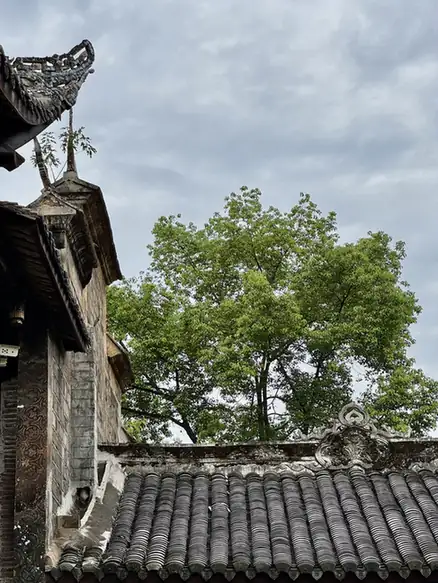 Luoquan Ancient Town · 罗泉古镇
Luoquan Ancient Town罗泉古镇
Luoquan’s old streets grew around the salt trade. Beside the Zhuxi River, Zilai Bridge and the Salt God Temple give that history a visible focus. The temple is reached through the space beneath its stage, then a courtyard opens…
Read the place guide →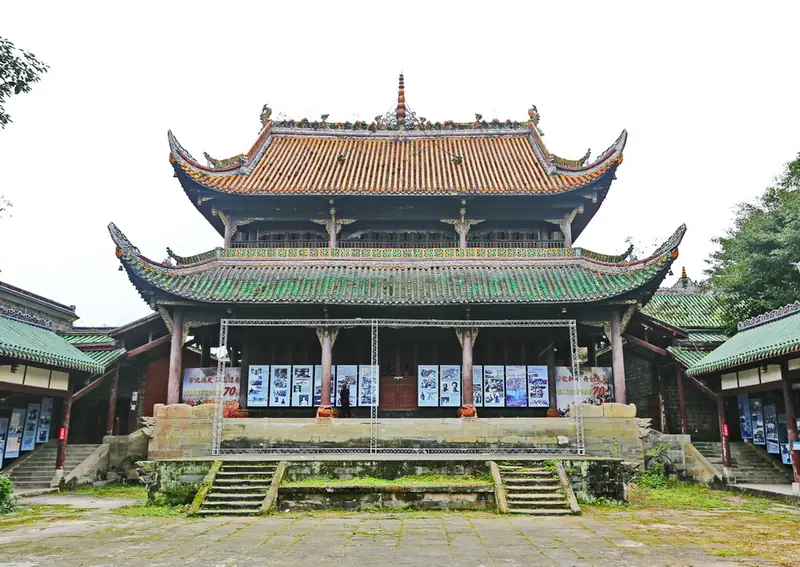 Zizhong Confucian Temple and Martial Temple (资中文庙与武庙), Zizhong County. Photograph: "资中武庙照片".
Zizhong Confucian Temple and Martial Temple资中文庙与武庙
Zizhong's Confucius Temple and Martial Temple (资中文庙与武庙) are two large, well-preserved historic temple complexes in Zizhong County, Neijiang, designated together as a national key cultural-relics protection unit.
Read the place guide →Local life & food
Zizhong County local specialties
资中县特色美食 · 2 specialties to discover
 Qiuxi catfish 球溪鲶鱼AI dish illustration / AI 菜品示意图
Catfish offers a tender, fatty texture against a bold sauce. The spice level can be substantial, so it is useful to ask before ordering.
Source ↗Read the dish guide →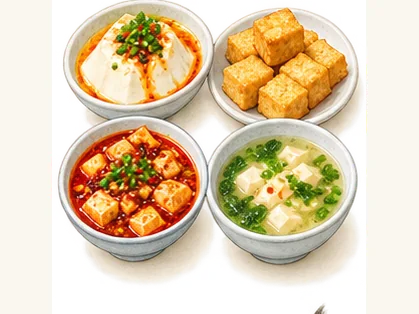 Luoquan tofu feast 罗泉豆腐宴AI dish illustration / AI 菜品示意图
The interest lies in texture changes across the meal, not one repeated sauce. Some courses may be light while others are meat-rich.
Source ↗Read the dish guide →All dish names · 全部菜名 (2)
More dishes from across Sichuan are in the Sichuan food guide.
Plan your visit
Getting there
Zizhong County is about 30 km in a straight line from central Neijiang. Search for 资中县 in a map app to find stations and your accommodation.
Where to stay →Build your route
Luoquan Ancient Town and Zizhong Confucian Temple and Martial Temple are both listed here. The linked place guides have entrance and visit details.
Continue with Neijiang →More in Neijiang
Sources & geographic information
Administrative names and parent areas: Official geographic directory · Reference date 2026-09-06.
Some facts checked against 资中县 — Wikipedia contributors, CC BY-SA 4.0.
Photo: Luoquan Ancient Town · Source photographer · License not provided. EXIF orientation normalized; resized without changing aspect ratio; converted to WebP. No subject edits.
Photo: Zizhong Confucian Temple and Martial Temple · Nekitarc · CC BY-SA 4.0. Full frame retained; EXIF orientation normalized, proportionally resized to at most 800 pixels and converted to WebP. No generated pixels or subject changes. Cards may crop the display.

Map data © OpenStreetMap contributors. Pins mark approximate centres, not entrances or boundaries.