


Get to know Neijiang
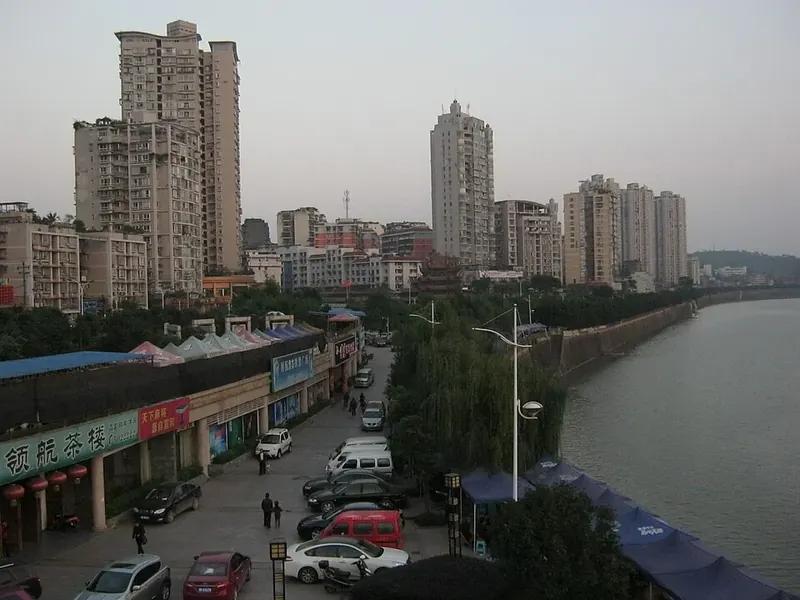
Photo adjustments
Full frame retained; proportionally resized and converted to WebP. No retouching or changes to the photographed subject. Card displays may crop the view.
- Administrative area
- Prefecture-level city · 地级市
- Part of
- Sichuan
- Chinese name
- 内江市
- Local areas
- 5 local areas
Area & population
- Area in the source
- 5,385.33 km²
- Population · 2020 census
- 3,140,678
- Administrative seat
- Shizhong District
Source: cited geographic source, as of the dates shown.
Transportation
Neijiang railway station is situated on the Chengdu–Chongqing railway and is the most central. The Neijiang–Kunming railway also starts here. Neijiang North railway station is situated on the Chengdu–Chongqing intercity railway and is served by high-speed trains.
Tourism
The Longchang Archway Complex, located in Longchang, Sichuan, is a National 4A-level tourist attraction and a Major Historical and Cultural Site Protected at the National Level. It consists of 17 stone archways, originally built between the Southern Song and the Republic of China periods, with most constructed during the Qing Dynasty. The archways are made of stone in the traditional archway style, about 9 meters wide and 11 meters high, featuring carvings of historical figures and traditional patterns. The complex reflects the architectural characteristics of the Ming and Qing dynasties and holds multidisciplinary cultural value, earning it the reputation as the "Hometown of Chinese Archways."
Shengshui Temple, formerly known as Xingci Chan Monastery, was founded during the Xiantong period of the Tang Dynasty and covers about 20,000 square meters. Existing structures include the Hall of Heavenly Kings, Mahavira Hall, Sutra Library, Yuanjue Hall, Ancient Great Compassion Hall, and Dharma Hall. It is one of the eight major monastic complexes in Sichuan and was designated a Major Historical and Cultural Site Protected at the National Level in 2013.
Explore Neijiang
Core places to explore, with English and Chinese names.
Places to explore around Neijiang
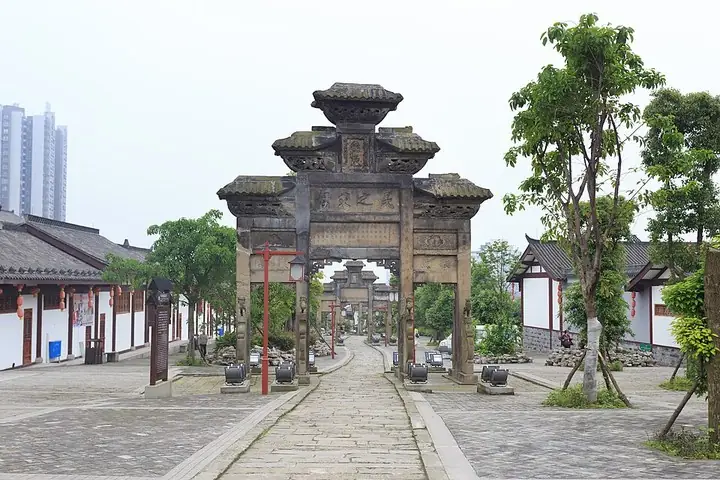 Niu Shumei stone archway in Longchang · 隆昌牛树梅德政坊 Photograph date recorded by the source: 23 April 2014, 10:02:04.
Longchang Stone Archways隆昌石牌坊
Longchang’s stone archways form a sequence along the old post-road entrances to the town. The South Gate and North Gate groups commemorate different people and virtues through carved inscriptions and stone decoration. Looking at…
Read the place guide →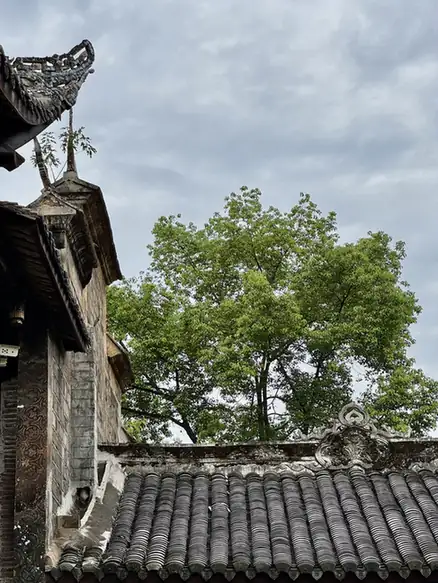 Luoquan Ancient Town · 罗泉古镇
Luoquan Ancient Town罗泉古镇
Luoquan’s old streets grew around the salt trade. Beside the Zhuxi River, Zilai Bridge and the Salt God Temple give that history a visible focus. The temple is reached through the space beneath its stage, then a courtyard opens…
Read the place guide →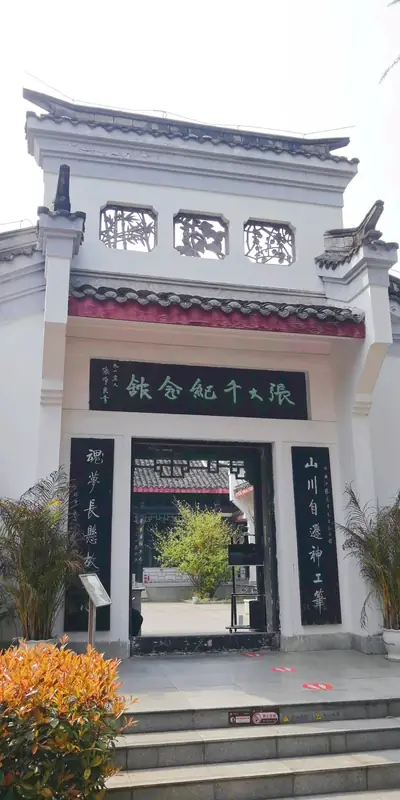 Daqian Garden and Zhang Daqian Memorial Hall · 大千园与张大千纪念馆
Daqian Garden and Zhang Daqian Memorial Hall大千园与张大千纪念馆
Daqian Garden (大千园) is a cultural park in Dongxing District, Neijiang, dedicated to the painter Zhang Daqian, a native of the city; it combines the Zhang Daqian Memorial Hall, the Zhang Daqian Museum and the Zhang Daqian Art Gallery, and was designated a national AAAA-rated scenic area in 2017.
Read the place guide →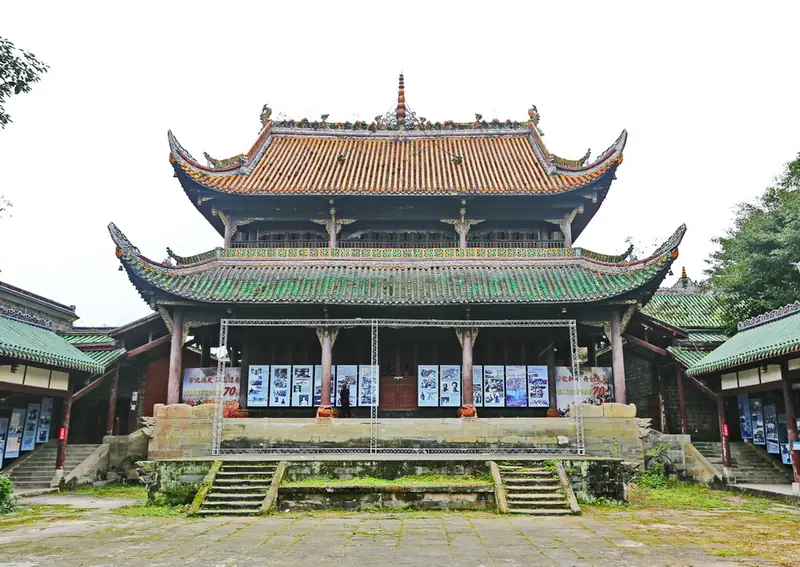 Zizhong Confucian Temple and Martial Temple (资中文庙与武庙), Zizhong County. Photograph: "资中武庙照片".
Zizhong Confucian Temple and Martial Temple资中文庙与武庙
Zizhong's Confucius Temple and Martial Temple (资中文庙与武庙) are two large, well-preserved historic temple complexes in Zizhong County, Neijiang, designated together as a national key cultural-relics protection unit.
Read the place guide →Niu Shumei stone archway in Longchang’s historic archway group · 隆昌牛树梅德政坊. Source-recorded photograph date: 2014-04-23 10:02:04.Longchang Stone Memorial Archways隆昌石牌坊群
Seventeen carved bluestone archways of 1496–1877 in Longchang, Sichuan, most lining the old Chengdu–Chongqing post road; a national protected site since 2001.
Read the place guide →Local life & food
Neijiang local specialties
内江市特色美食 · 12 specialties to discover
 Banbanqiao fried rice cakes 内江板板桥油炸粑AI illustration · AI 示意图
A crisp shell gives way to sticky, tender rice dough and a softer bean filling. The filling's seasoning determines whether the overall impression is more savory or sweet.
Source ↗Read the dish guide → Qiuxi catfish 球溪鲶鱼AI dish illustration / AI 菜品示意图
Catfish offers a tender, fatty texture against a bold sauce. The spice level can be substantial, so it is useful to ask before ordering.
Source ↗Read the dish guide →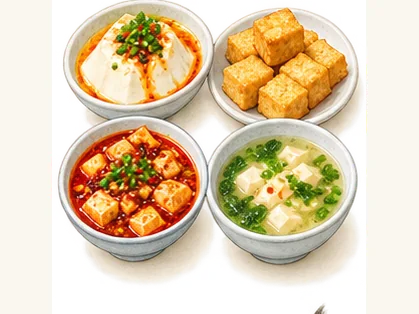 Luoquan tofu feast 罗泉豆腐宴AI dish illustration / AI 菜品示意图
The interest lies in texture changes across the meal, not one repeated sauce. Some courses may be light while others are meat-rich.
Source ↗Read the dish guide → Neijiang Beef Noodles 内江牛肉面Reference photo of a similar dish · 同类菜品参考照片
Neijiang Beef Noodles (内江牛肉面) use thin, strongly alkaline noodles, generous soup and red chilli oil.
Read the dish guide →
Photo adjustments
Full frame retained; EXIF orientation normalized, proportionally resized to at most 800 pixels and converted to WebP. No generated pixels or subject changes. Cards may crop the display.
 Zizhong Rabbit Noodles 资中兔子面AI illustration · AI 示意图(仅供参考,非实拍)
Zizhong Rabbit Noodles (资中兔子面) are a longstanding breakfast food in Zizhong (资中). A bowl brings together springy noodles, aromatic rabbit-meat topping and bone-stock soup, with red, white and green colours.
Read the dish guide →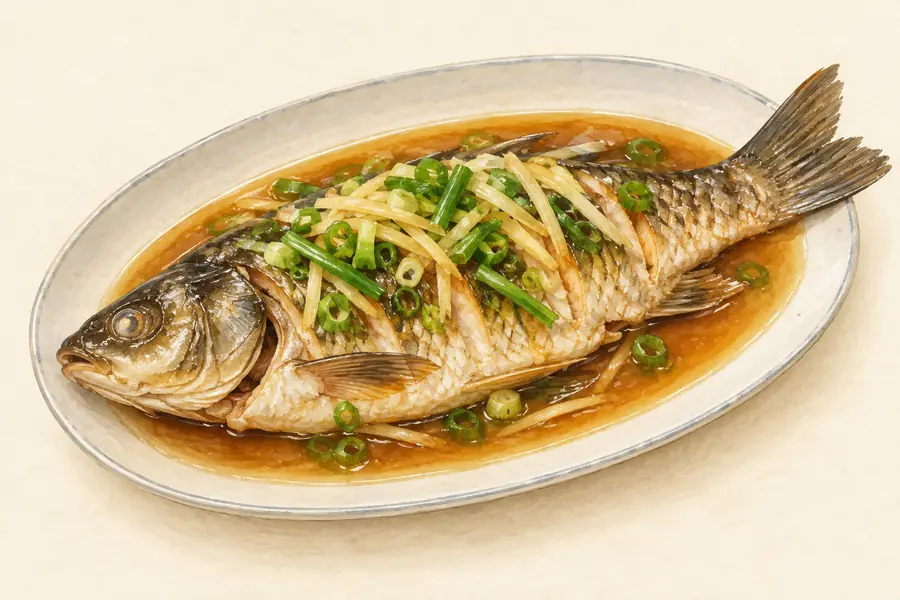 Zizhong Catfish 资中鲶鱼AI illustration · AI 示意图(仅供参考,非实拍)
Zizhong Catfish (资中鲶鱼) is a local fish speciality from Zizhong (资中) in Neijiang (内江), known for tender-fleshed dishes served at roadside restaurants. The local catfish is also a geographical-indication product.
Read the dish guide →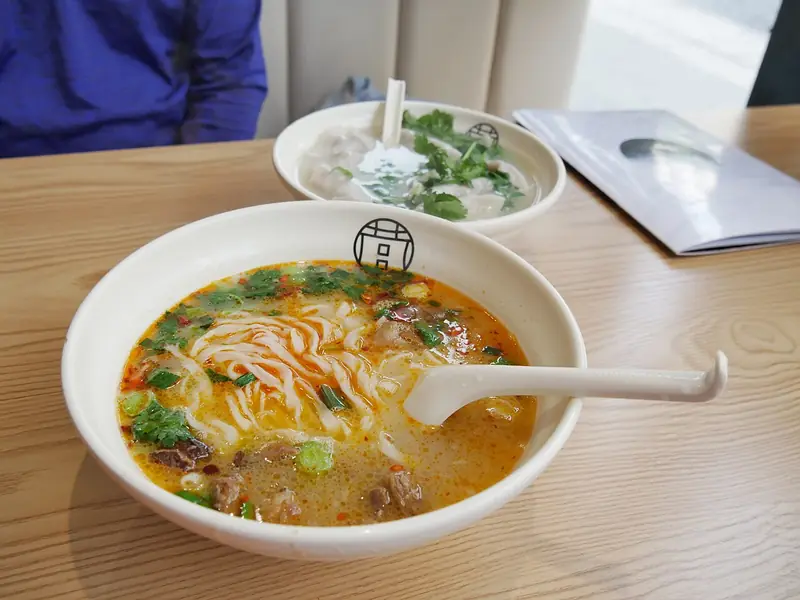 Weiyuan Mutton Soup 威远羊肉汤Reference photo of a similar dish · 同类菜品参考照片
Weiyuan Mutton Soup (威远羊肉汤) is made with local black goats from Weiyuan (威远). Its characteristic broth is creamy white and aromatic, with a mild flavour and tender meat.
Read the dish guide →
Photo adjustments
Full frame retained; EXIF orientation normalized, proportionally resized to at most 800 pixels and converted to WebP. No generated pixels or subject changes. Cards may crop the display.
 Longchang Red-Braised Duck 隆昌红烧鸭AI illustration · AI 示意图(仅供参考,非实拍)
Longchang Red-Braised Duck (隆昌红烧鸭) is the duck dish of Longchang (隆昌), a county-level city of Neijiang (内江) in Sichuan that borders Rongchang District (荣昌区) of Chongqing.
Read the dish guide →All dish names · 全部菜名 (12)
- Banbanqiao fried rice cakes · 内江板板桥油炸粑
- Qiuxi catfish · 球溪鲶鱼
- Luoquan tofu feast · 罗泉豆腐宴
- Neijiang Beef Noodles · 内江牛肉面
- Zizhong Rabbit Noodles · 资中兔子面
- Zizhong Catfish · 资中鲶鱼
- Weiyuan Mutton Soup · 威远羊肉汤
- Longchang Red-Braised Duck · 隆昌红烧鸭
- Sweet City Candied Fruit · 甜城蜜饯
- Neijiang Crispy Braised Rabbit · 内江酥枣兔
- Luoquan tofu buns · 罗泉豆腐包子
- Neijiang Cold Starch Jelly · 内江凉粉
More dishes from across Sichuan are in the Sichuan food guide.
Counties & districts in Neijiang
5 areas belong directly to Neijiang.
5 areas
Shizhong District 市中区
Shizhong is a district of the city of Neijiang, Sichuan Province, China.
Explore the area →DistrictDongxing District 东兴区
Dongxing District (simplified Chinese: 东兴区; traditional Chinese: 東興區; pinyin: Dōngxīng Qū) is a district of Neijiang City, Sichuan Province, China.
Explore the area →CountyWeiyuan County 威远县
Weiyuan County (simplified Chinese: 威远县; traditional Chinese: 威遠縣; pinyin: Wēiyuǎn Xiàn) is a county of Sichuan Province, China. It is under the administration of Neijiang City.
Explore the area →CountyZizhong County 资中县
Zizhong County is a county of Sichuan Province, China. It is under the administration of Neijiang city.
Explore the area →No areas match this name.
Plan your visit
Getting there
Search for 内江市 in a map app to find stations and your accommodation.
Where to stay →Build your route
Longchang Stone Archways and Luoquan Ancient Town are about 95 km apart in a straight line. The linked place guides have entrance and visit details.
Continue with Sichuan →More in Sichuan
Sources & geographic information
Administrative names and parent areas: Official geographic directory · Reference date 2026-09-06.
Background text adapted from Neijiang — Wikipedia contributors, under CC BY-SA 4.0. Text has been shortened and reorganized; source revision 1365661295.
Photo: Longchang Stone Archways · Zhangzhugang · Zhangzhugang — Longchang Shi Paifang 2014.04.23 10-02-04.jpg — CC BY-SA 3.0 · CC BY-SA 3.0. The exact downloaded source bytes are separately retained and hashed. Prepared JPEG is proportionally reduced to a maximum 720-pixel long edge; full frame retained, no subject alteration. Final website rendition: full frame retained, proportionally resized to at most 720 pixels and converted to WebP. No additional retouching or subject alteration. Card displays may crop the view.

Photo: Luoquan Ancient Town · Source photographer · License not provided. EXIF orientation normalized; resized without changing aspect ratio; converted to WebP. No subject edits.
Photo: Daqian Garden and Zhang Daqian Memorial Hall · Source photographer · License not provided. EXIF orientation normalized; resized without changing aspect ratio; converted to WebP. No subject edits.
Photo: Zizhong Confucian Temple and Martial Temple · Nekitarc · CC BY-SA 4.0. Full frame retained; EXIF orientation normalized, proportionally resized to at most 800 pixels and converted to WebP. No generated pixels or subject changes. Cards may crop the display.

Photo: Longchang Stone Memorial Archways · Zhangzhugang · CC BY-SA 3.0. Full source framing retained; proportionally resized and converted to WebP. No retouching or subject alteration. Card displays may crop the view.
Map data © OpenStreetMap contributors. Pins mark approximate centres, not entrances or boundaries.