


Get to know Gyangzê County
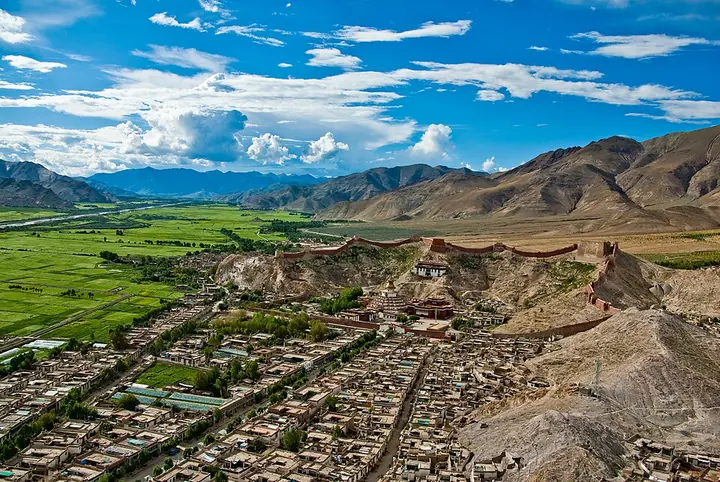
Photo adjustments
Full frame retained; proportionally resized and converted to WebP. No retouching or changes to the photographed subject. Card displays may crop the view.
- Administrative area
- County · 县
- Part of
- Xigazê
- Chinese name
- 江孜县
- Local areas
- County guide
Area & population
- Area in the source
- 3,849.23 km²
- Population · 2020
- 68,650
Source: cited geographic source, as of the dates shown.
A monastery of painted chapels
Beside the main temple stands the Kumbum (十万佛塔), also called the Auspicious Many-Door Stupa (吉祥多门塔). Its nine levels contain seventy-seven chapels and niches, with Buddhist images and painted walls. Decorated stone circumambulation corridors lie between the levels. The monastery’s architecture combines Tibetan, Han Chinese and Nepalese elements.
Carpets and kadian
Gyangzê’s carpet tradition includes kadian (卡垫), a local term encompassing mattresses, saddle pads, rugs and backrests. Cotton forms the warp and finely combed, spun wool from northern Tibet (藏北) the weft. The local carpet factory, established in 1973, uses traditional hand production and maintains separate stages for washing wool, dyeing, spinning, weaving and pattern clipping.
Sources for this guide
江孜县人民政府·游在江孜 · Gyangzê County Government
江孜县人民政府·游在江孜 · Gyangzê County Government
Original English written from the listed sources and checked sentence by sentence against quoted extracts by a separate reviewer. Updated 2026-09-27.
Entry & permits for Tibet (Xizang)
Foreign tourists need Tibet entry approval, commonly called a Tibet Travel Permit, and an organised visit arranged through a specialist travel agency in China. Confirm your approved route before booking transport. Requirements differ for Taiwan residents and for travellers using mainland or Hong Kong/Macao Chinese resident documents; check the document guide before you book.
Check the travel-document requirements →Policy scope verified: 2026-09-06. UK FCDO: China regional travel advice ↗ State Council Taiwan Affairs Office: Tibet entry approval ↗ Xizang Department of Culture and Tourism: Medog border permit notice ↗
Explore Gyangzê County
Core places to explore, with English and Chinese names.
Places to explore around Gyangzê County
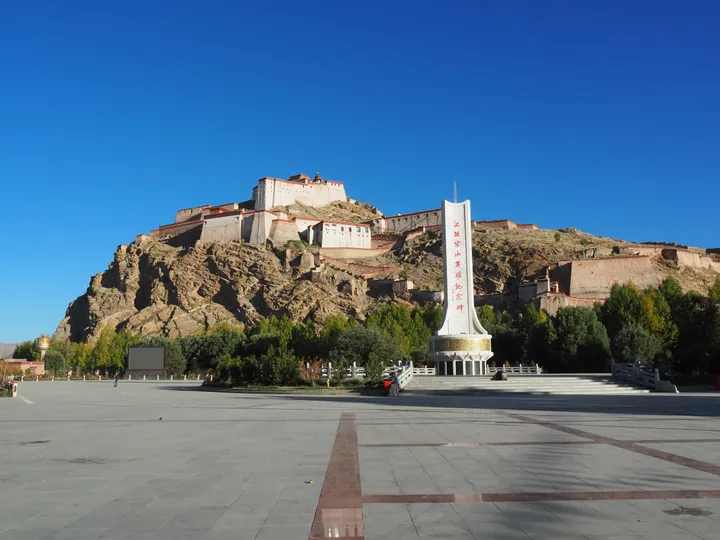 Gyantse Dzong fortress on its hill above the Heroes Memorial, Gyantse County · 江孜县江孜宗山城堡,山下为宗山英雄纪念碑 Source-recorded photograph date: 2015-09-30 06:00.
Gyantse Dzong Anti-British Resistance Site江孜宗山抗英遗址
Hilltop fortress of Gyantse, founded in 967 and ruined when British troops stormed it in July 1904; nationally protected since 1961.
Read the place guide →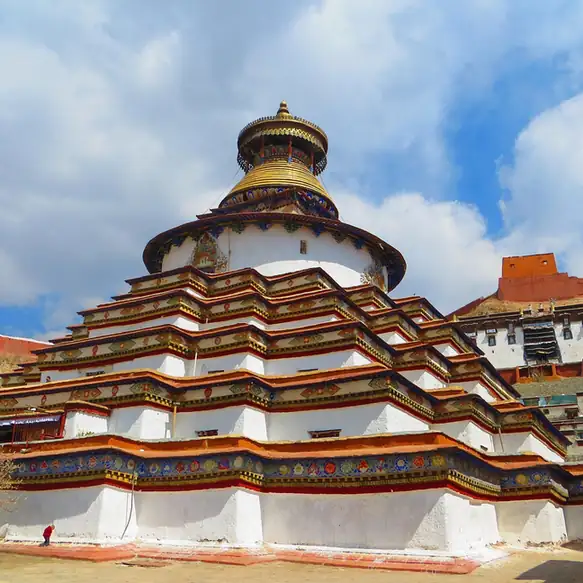 Pelkor Chode Monastery and Kumbum Stupa · 白居寺与十万佛塔
Pelkor Chode Monastery and Kumbum Stupa白居寺与十万佛塔
Pelkor Chode Monastery and Kumbum Stupa is Pelkor Chode Monastery and its Kumbum stupa (the 'Thousand Auspicious Gates Stupa') in Gyangzê County, Tibet -- the only monastery in Tibet shared by three Buddhist orders, built around a nine-storey stupa carrying more than 27,529 painted images.
Read the place guide →Plan your visit
Getting there
Gyangzê County is about 80 km in a straight line from central Xigazê. Search for 江孜县 in a map app to find stations and your accommodation.
Where to stay →Build your route
Gyantse Dzong Anti-British Resistance Site and Pelkor Chode Monastery and Kumbum Stupa are both listed here. The linked place guides have entrance and visit details.
Continue with Xigazê →More in Xigazê
Sources & geographic information
Administrative names and parent areas: Official geographic directory · Reference date 2026-09-06.
Photo: Gyantse Dzong Anti-British Resistance Site · Laika ac from UK · CC BY-SA 2.0. Full frame retained; proportionally resized and converted to WebP. No retouching or changes to the photographed subject. Card displays may crop the view.
.jpg)
Photo: Pelkor Chode Monastery and Kumbum Stupa · Source photographer · License not provided. EXIF orientation normalized; resized without changing aspect ratio; converted to WebP. No subject edits.
Map data © OpenStreetMap contributors. Pins mark approximate centres, not entrances or boundaries.