


Get to know Jinggu Dai and Yi Autonomous County
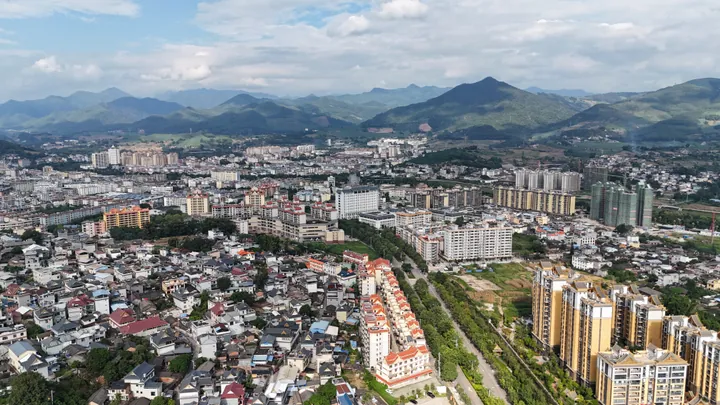
Photo adjustments
Full frame retained; proportionally resized and converted to WebP. No retouching or changes to the photographed subject. Card displays may crop the view.
- Administrative area
- Autonomous county · 自治县
- Part of
- Pu'er
- Chinese name
- 景谷傣族彝族自治县
- Local areas
- Autonomous county guide
Area & population
- Area in the source
- 7,550.00 km²
- Population · 2020 census
- 277,417
Source: cited geographic source, as of the dates shown.
Rivers, salt and hot springs
The Lancang River (澜沧江), Weiyuan River (威远江) and Xiaohei River (小黑江) run through the county’s gorges and basins. Salt production has a long local history: four official salt wells, Baomu (抱母), Xiangyan (香盐), Yixiang (益香) and Fenggang (凤岗), operated in the Qing dynasty. Jinggu also has highly mineralised rock-salt hot springs.
Tea and named landscapes
Jinggu Dabai tea (景谷大白茶) is a local white-tea product. Tea, coffee, sugar cane and rubber are among the county’s agricultural crops. The county’s cultural and tourism bureau names Mangyu Gorge (芒玉峡谷) and, in Zhengxing (正兴), Mengnai Flower Cave (勐乃鲜花洞), among the resources promoted to visitors.
Sources for this guide
景谷简介-景谷傣族彝族自治县人民政府 · Jinggu County Government
景谷文旅赴长三角宣推招商-景谷傣族彝族自治县人民政府 · Jinggu County Government; Jinggu Culture and Tourism Bureau
Original English written from the listed sources and checked sentence by sentence against quoted extracts by a separate reviewer. Updated 2026-09-30.
Explore Jinggu Dai and Yi Autonomous County
Core places to explore, with English and Chinese names.
Jinggu Dai and Yi Autonomous County 景谷傣族彝族自治县
Plan your visit
Getting there
Jinggu Dai and Yi Autonomous County is about 85 km in a straight line from central Pu'er. Search for 景谷傣族彝族自治县 in a map app to find stations and your accommodation.
Where to stay →More in Pu'er
Sources & geographic information
Administrative names and parent areas: Official geographic directory · Reference date 2026-09-06.
Map data © OpenStreetMap contributors. Pins mark approximate centres, not entrances or boundaries.