


Get to know Ludian County
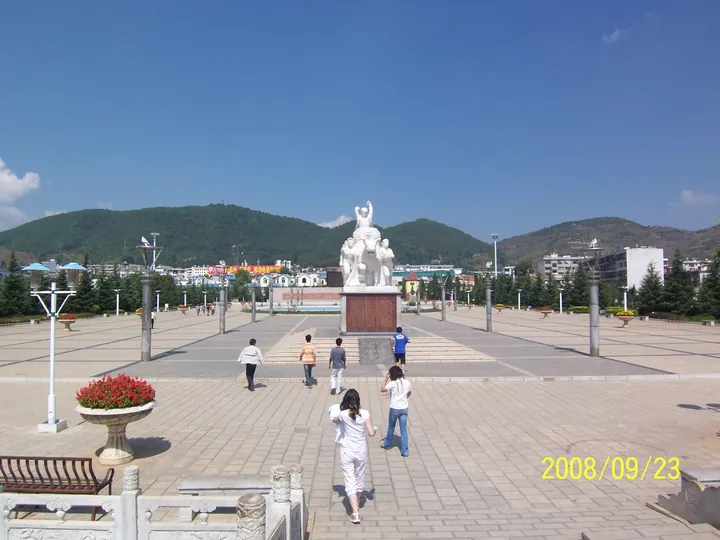
Photo adjustments
Full frame retained; proportionally resized and converted to WebP. No retouching or changes to the photographed subject. Card displays may crop the view.
- Administrative area
- County · 县
- Part of
- Zhaotong
- Chinese name
- 鲁甸县
- Local areas
- County guide
Area & population
- Area in the source
- 1,487.00 km²
- Population · 2010
- 429,791
Source: cited geographic source, as of the dates shown.
A landslide lake on the Niulan River
At the boundary between Lijiashan Village (李家山村) and Hongshiyan Village (红石岩村) in neighbouring Qiaojia County (巧家县), collapsed mountainsides blocked the Niulan River (牛栏江) and formed Hongshiyan Lake (红石岩堰塞湖). Engineering works began in February 2016, with impoundment in December 2019. The lake is bordered by green hills; Lijiashan’s slopes also support tomatoes, cucumbers and aubergines.
Pepper groves and earthquake memory
Guangming Village (光明村) in Longtoushan Town (龙头山镇) grows Sichuan pepper. Villagers plant cactus among the pepper trees and raise chickens beneath them. Ludian’s sites related to the disaster include an earthquake-remains park, an earthquake-relief memorial hall and a disaster-prevention experience hall. Other sites include the Zhuti Silver Culture Exhibition Hall (朱提银文化展览馆). Suoshan Town (梭山镇) also has Liangshan Canyon Hot Spring Resort (两山峡谷温泉旅游度假区).
Sources for this guide
昭通鲁甸龙头山10年蝶变——“手”绘生活新画卷_新华网 · Zhaotong Daily, via Xinhua
Original English written from the listed sources and checked sentence by sentence against quoted extracts by a separate reviewer. Updated 2026-09-27.
Explore Ludian County
Core places to explore, with English and Chinese names.
Ludian County 鲁甸县
Plan your visit
Getting there
Ludian County is about 25 km in a straight line from central Zhaotong. Search for 鲁甸县 in a map app to find stations and your accommodation.
Where to stay →More in Zhaotong
Sources & geographic information
Administrative names and parent areas: Official geographic directory · Reference date 2026-09-06.
Map data © OpenStreetMap contributors. Pins mark approximate centres, not entrances or boundaries.