


Get to know Gongguan Township
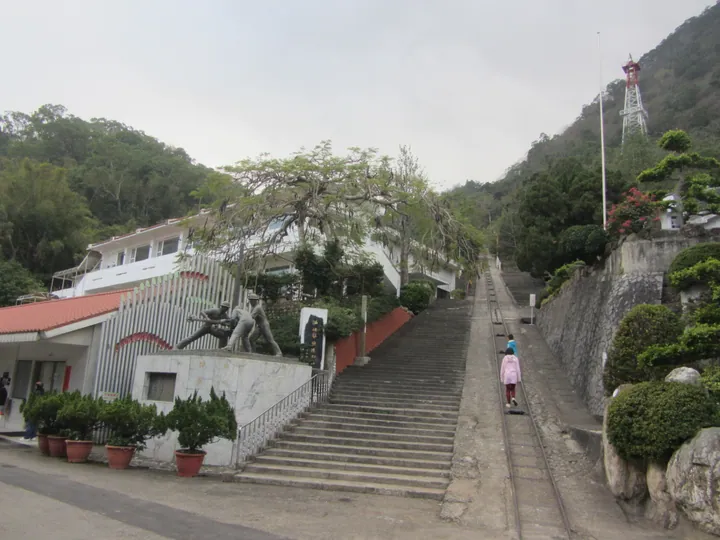
Photo adjustments
Full frame retained; proportionally resized and converted to WebP. No retouching or changes to the photographed subject. Card displays may crop the view.
- Administrative area
- Rural township · 鄉
- Part of
- Miaoli County
- Chinese name
- 公館鄉
- Local areas
- Rural township guide
Area & population
- Area in the source
- 71.00 km²
Source: cited geographic source, as of the dates shown.
Chuhuangkeng oilfield
Chuhuangkeng (出磺坑), in Kaikuang Village (開礦村), takes its name from a misunderstanding: residents saw a sulphur-coloured liquid emerging from the ground and mistook crude oil for sulphur. The oilfield lies in an anticline, a fold whose sides slope away from a high centre and can trap oil and gas. Its flanks consist of alternating sandstone and shale. Geological layers in the Houlong River valley (後龍溪谷), in the township’s south, are marked beside the road.
From ceramic workshop to cultural village
Wugu Cultural Village (五榖文化村) grew from Gongxun Ceramics (功薰陶瓷公司). The company began in a refurbished, disused courtyard house, carrying out firing, finishing, slip-casting and painting for other factories. Its later factory replaced manual casting with automation and a shuttle kiln with a tunnel kiln.
Sources for this guide
出礦坑礦場>苗栗文化觀光旅遊網 · Miaoli County Culture and Tourism Bureau
五榖文化村>苗栗文化觀光旅遊網 · Miaoli County Culture and Tourism Bureau
Original English written from the listed sources and checked sentence by sentence against quoted extracts by a separate reviewer. Updated 2026-09-27.
Explore Gongguan Township
Core places to explore, with English and Chinese names.
Gongguan Township 公館鄉
Plan your visit
Getting there
Gongguan Township is about 7 km in a straight line from central Miaoli County. Search for 公館鄉 in a map app to find stations and your accommodation.
Where to stay →More in Miaoli County
Sources & geographic information
Administrative names and parent areas: Official geographic directory · Reference date 2026-09-06.
Map data © OpenStreetMap contributors. Pins mark approximate centres, not entrances or boundaries.