


Get to know Xizhi District
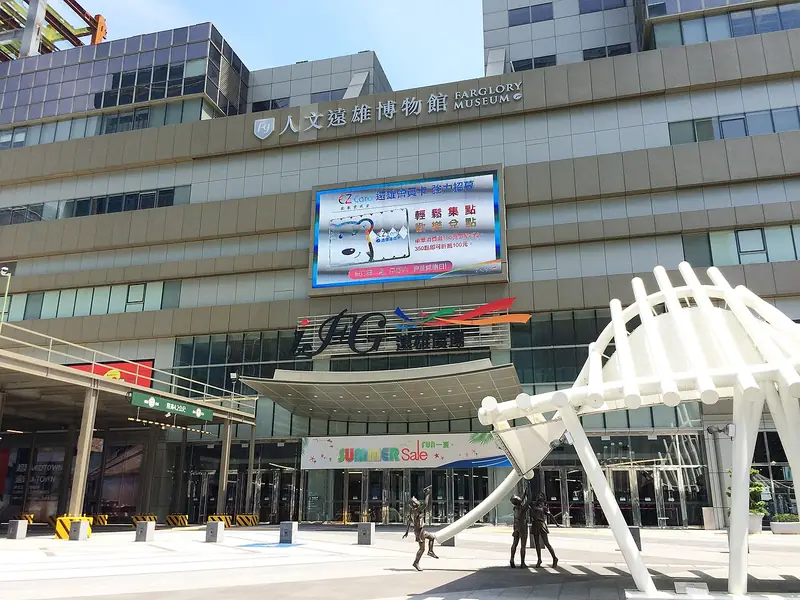
Photo adjustments
Full frame retained; EXIF orientation normalized, proportionally resized to at most 800 pixels and converted to WebP. No generated pixels or subject changes. Cards may crop the display.
- Administrative area
- District · 區
- Part of
- New Taipei City
- Chinese name
- 汐止區
- Local areas
- District guide
Area & population
- Area in the source
- 71.24 km²
Source: cited geographic source, as of the dates shown.
Stone lanterns and red leaves
The temple principally worships Lü Xianzu (呂仙祖), alongside Shakyamuni Buddha (釋迦摩尼佛) and Confucius (孔夫子). A shrine-style entrance, red Bi’an Bridge (彼岸橋) and stone lanterns distinguish the approach. Maple foliage turns red around late November to early January. Steps lead to Chuanliu Pavilion (川流亭), with views over Xizhi and the distant mountains.
Seasonal walks on Dajian Mountain
Dajian Mountain (大尖山) rises to 460 metres. Mountain cherries flower in early spring, fireflies appear in summer and maple leaves colour the hills in late autumn. Routes differ in length and difficulty; stone-step approaches from Tianxiu Temple (天秀宮) and Tiandao Qingxiu Monastery (天道清修院) lead to views over the greater Taipei Basin (臺北盆地).
Sources for this guide
拱北殿 | 新北市觀光旅遊網 · Tourism and Travel Department, New Taipei City Government
大尖山風景區 | 新北市觀光旅遊網 · Tourism and Travel Department, New Taipei City Government
Original English written from the listed sources and checked sentence by sentence against quoted extracts by a separate reviewer. Updated 2026-09-27.
Explore Xizhi District
Core places to explore, with English and Chinese names.
Xizhi District 汐止區
Plan your visit
Getting there
Xizhi District is about 20 km in a straight line from central New Taipei City. Search for 汐止區 in a map app to find stations and your accommodation.
Where to stay →More in New Taipei City
Sources & geographic information
Administrative names and parent areas: Official geographic directory · Reference date 2026-09-06.
Map data © OpenStreetMap contributors. Pins mark approximate centres, not entrances or boundaries.