


Get to know Malong District
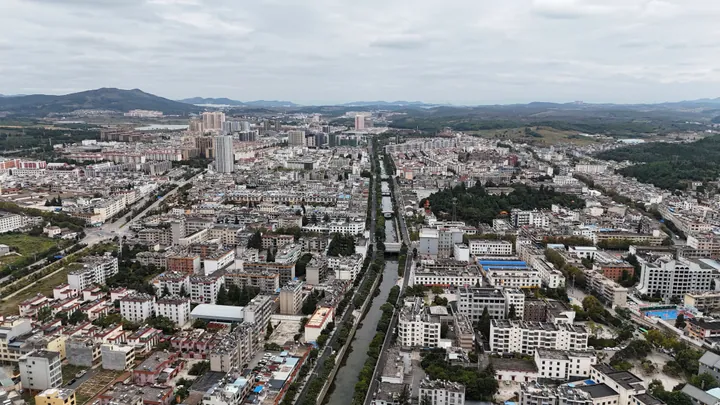
Photo adjustments
Full frame retained; proportionally resized and converted to WebP. No retouching or changes to the photographed subject. Card displays may crop the view.
- Administrative area
- District · 市辖区
- Part of
- Qujing
- Chinese name
- 马龙区
- Local areas
- District guide
Area & population
- Area in the source
- 2,096.00 km²
- Population · 2020
- 193,137
Source: cited geographic source, as of the dates shown.
An engineered lakeside park
Malong Water Landscape Park (马龙水景公园) is built around an unusual arrangement: river water passes beneath an artificial lake before re-emerging downstream. The lake occupies ground formed by covering parts of the river with concrete slabs. Walkways follow the lake and branch into the surrounding park, while reeds, water lilies and three circular islands give its shoreline different shapes.
Old routes and local products
Malong’s county history began in the Western Han dynasty. Historic traces include Zhuge Mountain (诸葛山) and old postal roads. Apples, blueberries and beef cattle are among its highland agricultural products, while rose-flower foods and konjac foods are made locally. The Guiyang–Kunming Railway (贵昆铁路) and Shanghai–Kunming high-speed railway (沪昆高铁) run through the district.
Sources for this guide
马龙概况-马龙区人民政府办公室-曲靖市马龙区人民政府 · Malong District Government
马龙水景公园-马龙区人民政府办公室-曲靖市马龙区人民政府 · Malong District Government; park essay
Original English written from the listed sources and checked sentence by sentence against quoted extracts by a separate reviewer. Updated 2026-09-30.
Explore Malong District
Core places to explore, with English and Chinese names.
Malong District 马龙区
Plan your visit
Getting there
Malong District is about 25 km in a straight line from central Qujing. Search for 马龙区 in a map app to find stations and your accommodation.
Where to stay →More in Qujing
Sources & geographic information
Administrative names and parent areas: Official geographic directory · Reference date 2026-09-06.
Map data © OpenStreetMap contributors. Pins mark approximate centres, not entrances or boundaries.