


Get to know Fuyang District
- Administrative area
- District · 市辖区
- Part of
- Hangzhou
- Chinese name
- 富阳区
- Local areas
- District guide
Area & population
- Area
- 1,821.03 km²
- Population · 2011
- 653,800
- Administrative seat
- Fuchun Subdistrict (富春街道)
Source: English Wikipedia, as of the dates shown.
Fuyang is a current district of Hangzhou, not a separate neighboring city. The county-level Fuyang City was abolished and Fuyang District established in 2014 over the former city’s territory; the district government was assigned to Fuchun Subdistrict. Hangzhou’s 2021 restructuring changed several other districts and established Linping and Qiantang. A contemporary report describes the resulting city as having ten districts, two counties and one county-level city. These changes do not make the former Fuyang City a current administrative unit.
The district is too large and varied to treat as one compact attraction or to give one all-purpose entrance. Its river valley and hills frame a patchwork of built-up Fuyang and dispersed towns and villages. Plan around one area at a time: the urban riverfront and nearby cultural sites make a shorter city-side outing, while Longmen Ancient Town is a separate rural excursion. Distances between these areas make a same-day itinerary more comfortable with deliberate onward transport rather than an assumption that a metro stop serves every sight.
Walk the old lanes at Longmen
Longmen Ancient Town (龙门古镇) sits in Fuyang beside mountain foothills and the small streams that thread through the settlement. The traditional layout is not a single monumental street: narrow, branching lanes open onto linked residential compounds, ancestral halls, bridges and courtyards. The clan-built fabric grew around the Sun lineage; local tradition connects its residents with Sun Quan, but that is a community heritage tradition rather than proof that every specific building dates to his lifetime. Longmen was named a Chinese Historical and Cultural Town in 2008 and entered the first national traditional-village register in 2012.
A rewarding visit is slow and observational. Follow the lanes from the main ancestral-hall precinct toward stream crossings and the reflective pond known as Inkstone Pond (砚池); notice how connected halls and enclosed courtyards make the settlement feel more like a large lived-in compound than a staged row of façades. The village still contains residents and working homes. Keep voices low, avoid entering private courtyards, and ask before photographing people or interiors. The local account describes the Bamboo Horse performance (跳竹马) and autumn temple fair as traditional cultural practices, not as a daily show schedule. Do not plan around either without confirming a current event date locally.
Longmen also has a particular food association: local reporting describes fried gluten puffs (油面筋), served crisp and commonly dipped in vinegar and soy sauce, and the ceremonial-style “Eight Beef Dishes” (牛八碗). The story tying these foods to Sun Quan-era soldiers is presented as local legend, not verified ancient culinary history. Ask what is available on the day; one account of village food does not guarantee that a particular restaurant is open or serving a fixed menu.
River scenery and the wider district
Along the Fuchun River, make room for the changing view rather than seeking a single “best” viewpoint. From a public riverside path, look across the broad water to wooded slopes and watch how the river valley opens and narrows. In and around the built-up centre, landscaped banks and parks connect the water to ordinary neighbourhood walks. Further out, the district’s hills and villages call for their own outing; do not confuse a Fuyang-area site with better-known destinations in neighboring Tonglu or other jurisdictions. The older district page also identifies the river corridor, Longmen and Fuchun Taoyuan as separate highlights rather than one compound attraction.
Getting around
For the Fuyang urban area, Hangzhou Metro Line 6 (地铁6号线) reaches Fuyang Passenger Transport Centre station (富阳客运中心站). A published route guide from Zhejiang Polytechnic College gives a connection from Hangzhou Xiaoshan International Airport: Line 7 to Olympic Sports Centre (奥体中心), then Line 6 to Fuyang Passenger Transport Centre. It also gives a rail-to-metro connection from Fuyang Railway Station (富阳站): bus 605 to the Hengliangting Road–Jinqiao North Road intersection (横凉亭路金桥北路口), then about 200 metres on foot to Guihua West Road Metro station (桂花西路站) for Line 6. These are station connections, not a complete route to every neighbourhood or attraction.
No single metro exit, taxi drop-off or final walk serves the district as a whole. Longmen is not at the metro station: arrange and verify the last leg to the town’s signed visitor entrance before setting out, and confirm return transport as well. A destination-specific current public-bus route and a reliably documented legal drop-off point for Longmen could not be established from readable sources consulted, so this guide does not repeat older online instructions that direct visitors to a possibly changed bus route or quote a dated fare or admission price. For any Fuyang trip, enter the exact Chinese place name (for example, 龙门古镇) in a current map or ride-hailing app and confirm the entrance with the destination before departure.
Explore Fuyang District
Core places to explore, with English and Chinese names.
Places to explore around Fuyang District
 The Sun Quan ancestral-home sign and surrounding buildings at Longmen Ancient Town, April 2025.
Longmen Ancient Town, Fuyang龙门古镇
A living historic settlement in Fuyang where a maze of defensive lanes, ancestral halls, courtyards and the Longmen Creek reveal a distinctive Ming–Qing-era clan-town landscape.
Read the place guide →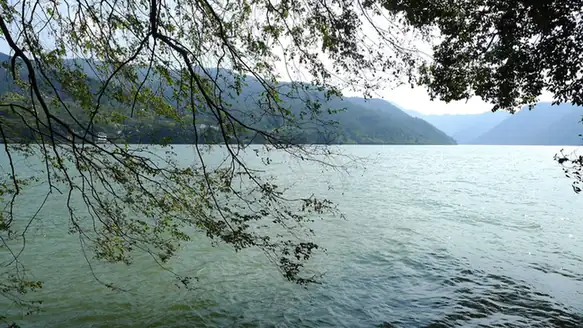 Fuchun River Waterfront in Fuyang · 富春江富阳江岸
Fuchun River Waterfront in Fuyang富春江富阳江岸
Walk or cycle a developed stretch of Fuyang’s Fuchun River bank, where river views meet the district’s urban landscape and everyday riverside recreation.
Read the place guide →Local life & food
Fuyang District local specialties
富阳区特色美食 · 2 specialties to discover
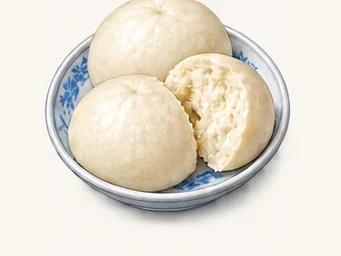 Longyang rice-wine steamed bread 龙羊酒酿馒头AI illustration · AI 示意图
A gently sweet, resilient steamed wheat bun associated with rural Fuyang in Hangzhou; rice-wine fermentation gives it a fragrant, tender crumb.
Source ↗Read the dish guide → Longyang warming pot 龙羊暖碗AI illustration · AI 示意图
A slow-simmered warming pot associated with the Longyang area west of Fuyang, Hangzhou. Local descriptions mention pork-bone broth with tofu, winter bamboo shoots and pickled vegetables; ingredients and serving vary by kitchen.
Source ↗Read the dish guide →All dish names · 全部菜名 (2)
More dishes from across Zhejiang are in the Zhejiang food guide.
Plan your visit
Getting there
Fuyang District is about 30 km (straight-line distance) from central Hangzhou. Search for 富阳区 in a map app to find stations and your accommodation.
Where to stay →Build your route
Longmen Ancient Town, Fuyang and Fuchun River Waterfront in Fuyang are about 15 km apart (straight-line distance). The linked place guides have entrance and visit details.
Continue with Hangzhou →More in Hangzhou
Sources & geographic information
Administrative names and parent areas: Official geographic directory (dmfw.mca.gov.cn) · Reference date 2026-09-06.
Background text adapted from Fuyang, Hangzhou — Wikipedia contributors, under CC BY-SA 4.0. Text has been shortened and reorganized; source revision 1368859661.
Photo: Longmen Ancient Town, Fuyang · Yumeto · CC BY-SA 4.0. Resized for the web; the photo itself has not been edited.

Photo: Fuchun River Waterfront in Fuyang · zh.wikipedia.org. Resized for the web; the photo itself has not been edited.
Map data © OpenStreetMap contributors. Pins mark approximate centres, not entrances or boundaries.
Image credits & notes (1)
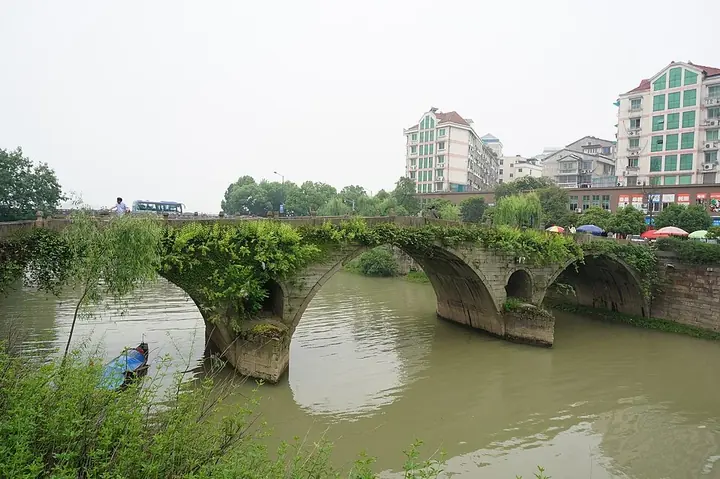
- Enbo Bridge in Fuyang District, Hangzhou. Photograph date recorded by the source: 2015-05-10 14:07:20.Photo: 猫猫的日记本 · CC BY-SA 4.0Resized for the web; the photo itself has not been edited. Thumbnails may show a cropped view.
