


Get to know Linxia Hui Autonomous Prefecture
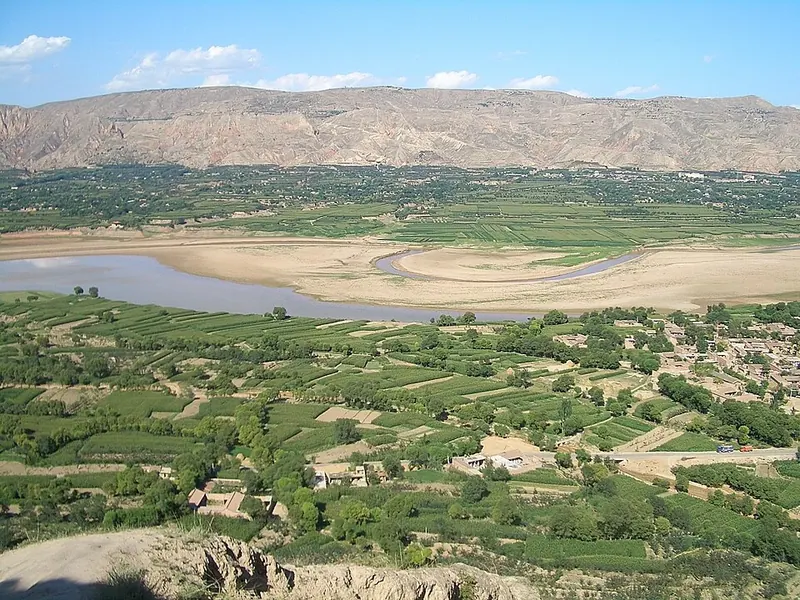
Photo adjustments
Full frame retained; proportionally resized and converted to WebP. No retouching or changes to the photographed subject. Card displays may crop the view.
- Administrative area
- Autonomous prefecture · 自治州
- Part of
- Gansu
- Chinese name
- 临夏回族自治州
- Local areas
- 8 local areas
Area & population
- Area in the source
- 8,169.00 km²
- Population · 2020
- 2,437,000
- Administrative seat
- Linxia City
Source: cited geographic source, as of the dates shown.
Setting and landscape
Elevations run from 1,563 to 4,585 m, and about nine-tenths of the land is dry upland; the Taizi (太子山), Lianhua (莲花山) and Jishi (积石山) mountains rise within it. The Yellow River enters from the northwest and crosses the north of the prefecture for 124 km, dammed at Liujiaxia (刘家峡), Yanguoxia (盐锅峡) and Bapanxia (八盘峡); the Liujiaxia Reservoir covers more than 140 km². The prefecture government lists Cretaceous dinosaur footprints at Liujiaxia and the ancient-animal fossils of Hezheng (和政) among its natural treasures, and the Linxia World Geopark (临夏世界地质公园) among its world-level attractions.
History
Linxia's old names are Fuhan (枹罕), a county from the Qin, and Hezhou (河州); the Former Liang created Hezhou in 344, which the prefecture government counts as the first prefecture-level unit here. The government also calls Linxia a core area of the Majiayao (马家窑) culture and the place where the Qijia (齐家) culture was discovered and named, and notes that the Book of Documents traces Yu the Great's river works to Jishi. Linxia lay on the southern Silk Road, the Tang–Tibet road and the Tea Horse Road, and held one of the four great Ming tea-horse offices.
Its national intangible heritage includes the Lianhua Mountain and Songmingyan (松鸣岩) hua'er song festivals, Linxia brick carving and Bonan knife forging (保安腰刀).
What to see
The Bingling Temple Grottoes (炳灵寺石窟), cut into cliffs on the north bank of the Yellow River in Yongjing County (永靖县), were formally founded in 420 under the Western Qin, the date of an ink inscription in Cave 169. Thirty-four caves and 149 niches survive, and the site joined the Silk Roads World Heritage listing in 2014. In Linxia City (临夏市), the Bafang Shisan Xiang (八坊十三巷) quarter grew up around eight mosques after Arab and Persian merchants and clerics settled in Hezhou from the Tang; its lanes keep 41 courtyard houses, among them a mansion that mixes Hui brick carving, Han woodcarving and Tibetan painting.
Food and local products
The prefecture government groups Hezhou cuisine into ten famous dishes, snacks, pastries, noodle bowls and banquets. The dishes include Dongxiang hand-held mutton (东乡手抓羊肉) and stir-fried free-range chicken (临夏爆炒草鸡), Hezhou baozi (河州包子) lead the pastries, the snacks include fazi mianchang (发子面肠) and Guanghe sweet fermented grain (广河甜醅), and Heyan mianpian (河沿面片) is among the noodle bowls.
Getting oriented
Linxia City (临夏市) is the prefecture capital.
Highlights
- Bingling Temple Grottoes 炳灵寺石窟: In Taping Village, Wangtai Town (王台镇), Yongjing; 694 stone figures and 82 clay figures survive.
- Bafang Shisan Xiang 八坊十三巷: Its Da Gongguan mansion at No. 80 is now the Bafang folk museum.
- Liujiaxia 刘家峡: Reservoir on the Yellow River in the north of the prefecture, nicknamed the 'pearl of the plateau'.
Sources for this guide
临夏州州情概况 · Linxia Hui Autonomous Prefecture People's Government
炳灵寺石窟 - 维基百科,自由的百科全书 · Wikipedia (Chinese) · CC BY-SA 4.0
八坊十三巷 - 维基百科,自由的百科全书 · Wikipedia (Chinese) · CC BY-SA 4.0
Original English written from the listed sources and checked sentence by sentence against quoted extracts by a separate reviewer. Updated 2026-09-30.
Explore Linxia Hui Autonomous Prefecture
Core places to explore, with English and Chinese names.
Donggongguan Mansion 东公馆
Bafang Thirteen Lanes 八坊十三巷
Hezheng Paleozoological Museum 和政古动物化石博物馆
Songmingyan Scenic Area 松鸣岩
Liujiaxia Gorge 刘家峡
Bingling Temple Grottoes 炳灵寺石窟
Dadun Gorge 大墩峡
Linxia City 临夏市
Linxia County 临夏县
Kangle County 康乐县
Yongjing County 永靖县
Guanghe County 广河县
Hezheng County 和政县
Dongxiang Autonomous County 东乡族自治县
Jishishan Bonan, Dongxiang and Salar Autonomous County 积石山保安族东乡族撒拉族自治县
Places to explore around Linxia Hui Autonomous Prefecture
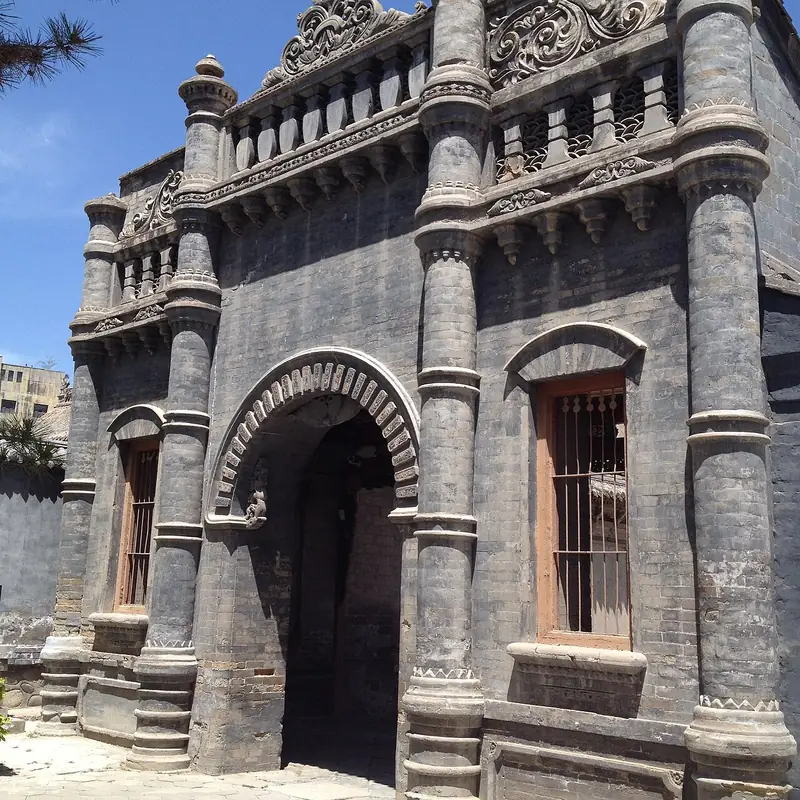 Donggongguan Mansion (东公馆), Linxia City. Photograph: "Donggong Guan at Linxia City, Gansu Provinve, China".
Donggongguan Mansion东公馆
The Donggongguan (东公馆) is the residence built for Ma Buqing at 35 Donghuan Chengdong Road, Sandaoqiao, Linxia city, Gansu, begun in 1938 and completed in 1945 after eight years of work.
Read the place guide → AI illustration · AI 示意图(仅供参考,非该地点实拍)
Bafang Thirteen Lanes八坊十三巷
Hui Muslim quarter of Linxia, Gansu: eight mosque quarters, restored lanes, the Da Gongguan mansion and a 1741 brick-carved screen wall.
Read the place guide →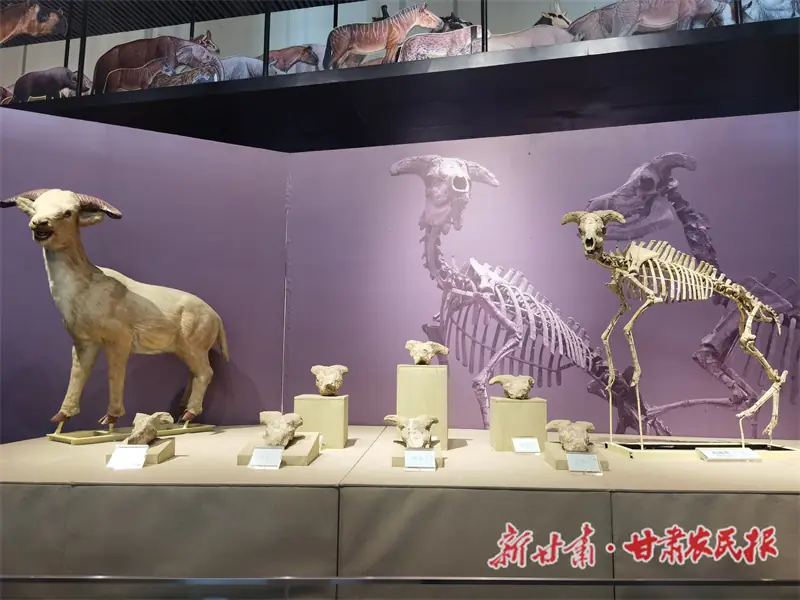 Hezheng Paleozoological Museum · 和政古动物化石博物馆
Hezheng Paleozoological Museum和政古动物化石博物馆
The Hezheng Ancient Animal Fossil Museum (和政古动物化石博物馆) stands in Liangjiazhuang village, Chengguan town, Hezheng County, Linxia Hui Autonomous Prefecture, Gansu, and its own website gives free admission with timed, real-name booking.
Read the place guide →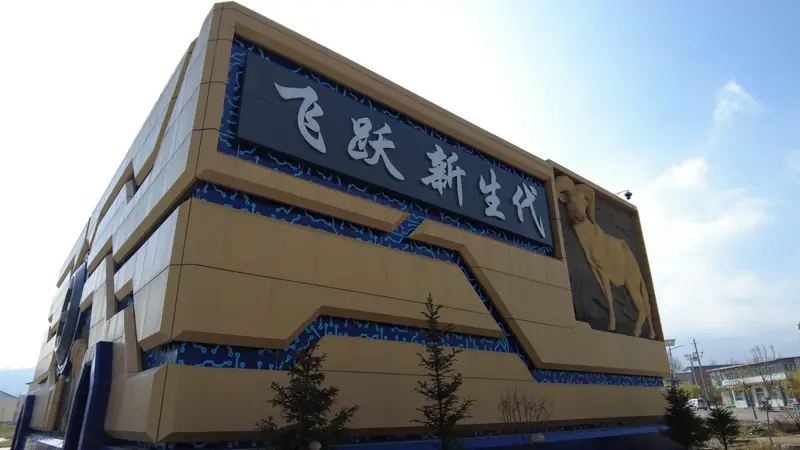 Songmingyan Scenic Area · 松鸣岩
Songmingyan Scenic Area松鸣岩
Songmingyan (松鸣岩) is a mountain scenic area in Hezheng County, Linxia Hui Autonomous Prefecture, Gansu, 23 km south of the county town, which the Linxia Daily page records as a national 4A-grade tourist scenic area.
Read the place guide →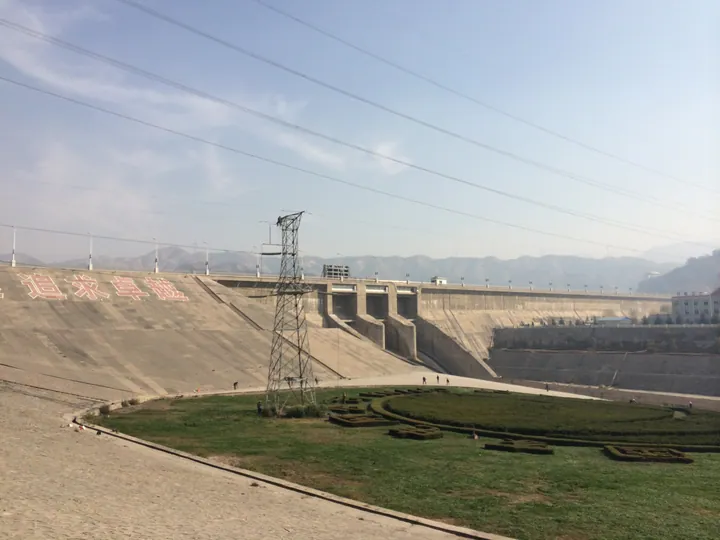 Liujiaxia Dam on the Yellow River, Yongjing County, Linxia Prefecture · 临夏回族自治州永靖县刘家峡水电站大坝 Source-recorded photograph date: 2013-11-20 14:15.
Liujiaxia Gorge刘家峡
Yellow River gorge at Yongjing, Gansu, closed by the 147 m Liujiaxia Dam (built 1958–1974); its reservoir leads to the Bingling Temple grottoes.
Read the place guide → The giant carved Maitreya Buddha statue at Bingling Temple Grottoes, Yongjing County, Linxia Prefecture · 临夏回族自治州永靖县炳灵寺石窟大佛 Source-recorded photograph date: 1987-09-13.
Bingling Temple Grottoes炳灵寺石窟
The Bingling Temple Grottoes (炳灵寺石窟) are a Buddhist cave site in the Xiao Jishi mountains 35 km south-west of Yongjing county town, Gansu, which the provincial gazetteer office page records as called Tangshu Cave in the Wei and Jin period and Bingling Temple from the Song.
Read the place guide → AI illustration · AI 示意图(仅供参考,非该地点实拍)
Dadun Gorge大墩峡
Dadunxia (大墩峡) is a scenic area in Jishishan Bao'an, Dongxiang and Salar Autonomous County, Linxia Hui Autonomous Prefecture, Gansu, developed with private investment and promoted by the county as its winter cultural-tourism calling card.
Read the place guide →Local life & food
Linxia Hui Autonomous Prefecture local specialties
临夏回族自治州特色美食 · 11 specialties to discover
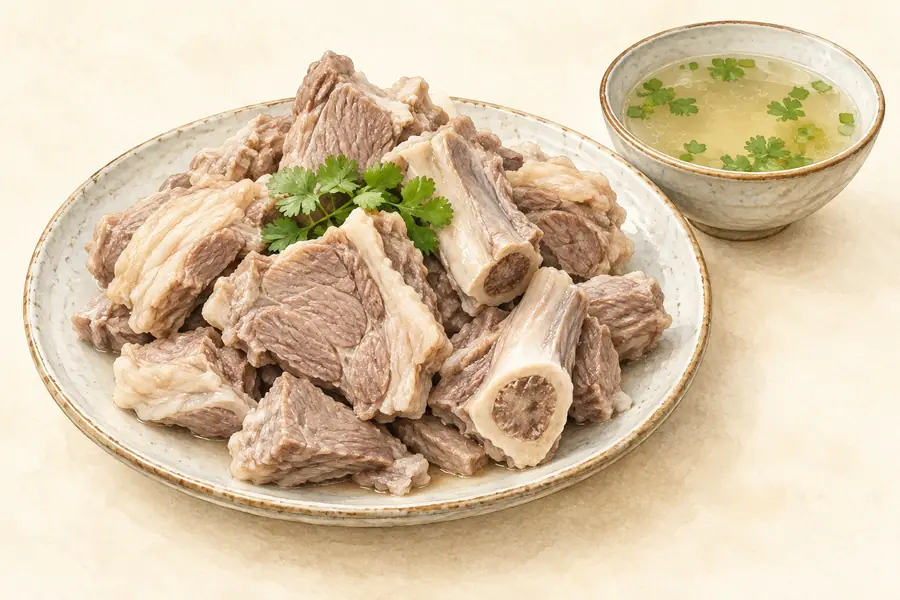 Linxia Hand-Grabbed Mutton 临夏手抓羊肉AI illustration · AI 示意图(仅供参考,非实拍)
Linxia Hand-Grabbed Mutton (临夏手抓羊肉) is lamb boiled whole or in large pieces, chopped into chunks and eaten with pepper salt and garlic; the name comes from picking the meat up by hand.
Read the dish guide →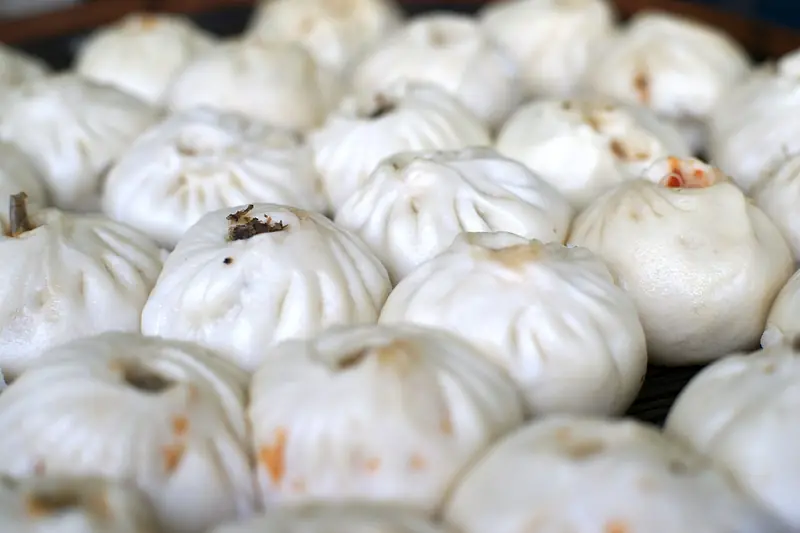 Hezhou Steamed Buns 河州包子
Hezhou Steamed Buns (河州包子) are steamed buns filled with mutton, spices and chives, listed by the government of Linxia (临夏) city in Gansu among the specialities of its local cooking.
Read the dish guide →
Photo adjustments
EXIF orientation normalized; resized without changing aspect ratio; converted to WebP. No subject edits.
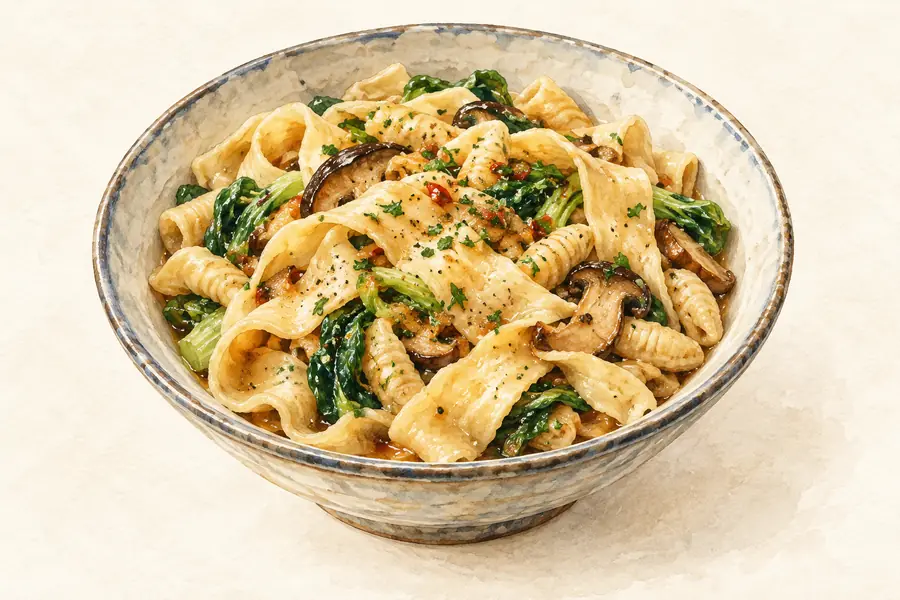 Hezhou Hand-Torn Noodles 河州面片AI illustration · AI 示意图(仅供参考,非实拍)
Hezhou Hand-Torn Noodles (河州面片) is listed among the local specialties of Linxia Hui Autonomous Prefecture, Gansu. The term 面 points to noodles or flour-based food.
Read the dish guide →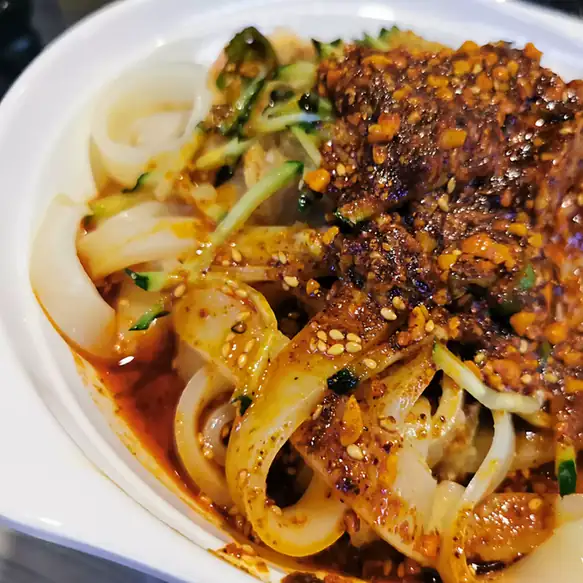 Cold Steamed Noodle Sheets 酿皮子
Cold Steamed Noodle Sheets (酿皮子) are sheets of steamed wheat starch, cut into strips and dressed cold, and a well-known local snack of Lanzhou (兰州), Gansu.
Read the dish guide →Photo adjustments
EXIF orientation normalized; resized without changing aspect ratio; converted to WebP. No subject edits.
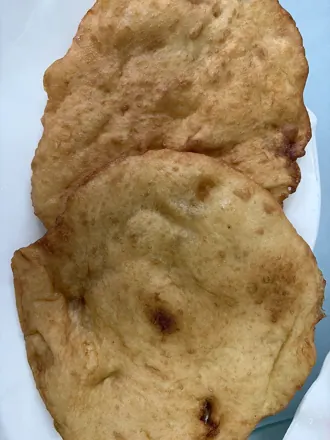 Hui Fried Flatbread 油香
Hui Fried Flatbread (油香) is the Hui name for a round fried flatbread, known more generally as youbing (油饼).
Source ↗Read the dish guide →
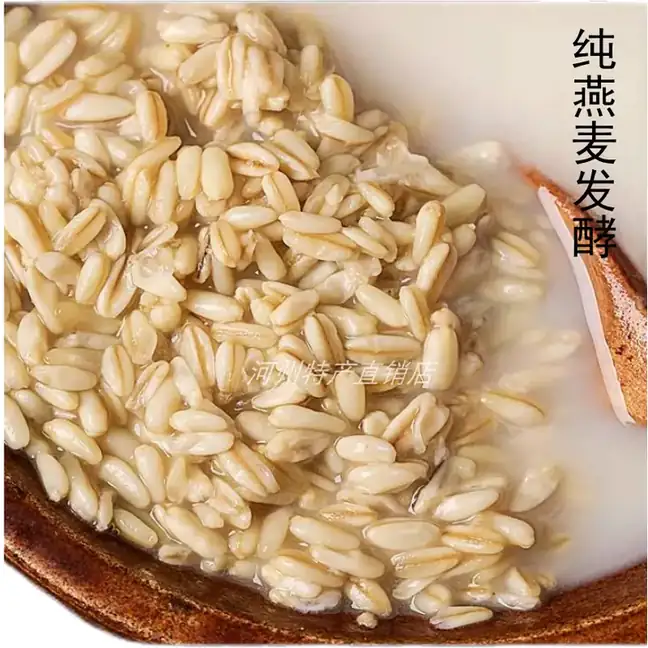 Sweet Fermented Oats 甜麦子
Sweet Fermented Oats (甜麦子), more formally called tianpei (甜醅), is a bowl of fermented oat grains in their own juice that Linxia Hui Autonomous Prefecture (临夏回族自治州) presents as a speciality snack of Guanghe County (广河县).
Read the dish guide →Photo adjustments
EXIF orientation normalized; resized without changing aspect ratio; converted to WebP. No subject edits.
Dongxiang Hand-Grabbed Mutton 东乡手抓羊肉AI illustration · AI 示意图(仅供参考,非实拍)
Dongxiang Hand-Grabbed Mutton (东乡手抓羊肉) is the chopped, hand-eaten mutton of Dongxiang County (东乡县) in the Linxia Hui Autonomous Prefecture (临夏回族自治州), Gansu, served steaming hot and now sold under an official regional brand of the same name.
Read the dish guide → Linxia Lamb and Flour Sausages 临夏发子面肠AI illustration · AI 示意图(仅供参考,非实拍)
Linxia Lamb and Flour Sausages (临夏发子面肠) is a halal snack from the Linxia (临夏) area of Gansu that puts two steamed sausages on one plate: fazi (发子), a stuffing of chopped lamb and offal, and mianchang (面肠), a flour paste in sheep casing.
Read the dish guide →All dish names · 全部菜名 (11)
- Linxia Hand-Grabbed Mutton · 临夏手抓羊肉
- Hezhou Steamed Buns · 河州包子
- Hezhou Hand-Torn Noodles · 河州面片
- Cold Steamed Noodle Sheets · 酿皮子
- Hui Fried Flatbread · 油香
- Sweet Fermented Oats · 甜麦子
- Dongxiang Hand-Grabbed Mutton · 东乡手抓羊肉
- Linxia Lamb and Flour Sausages · 临夏发子面肠
- Beef and Lamb Offal Soup · 牛羊杂割
- Hezhou Eight-Bowl Banquet · 河州八大碗
- Lidded Bowl Tea · 盖碗茶
More dishes from across Gansu are in the Gansu food guide.
Counties & districts in Linxia Hui Autonomous Prefecture
8 areas belong directly to Linxia Hui Autonomous Prefecture.
8 areas
Linxia City 临夏市
Linxia City (simplified Chinese: 临夏市; traditional Chinese: 臨夏市; pinyin: Línxià Shì, Xiao'erjing: لٍِثِيَا شِ), once known as Hezhou, is a county-level city in the province of Gansu, China and the capital of…
Explore the area →CountyLinxia County 临夏县
Linxia County (simplified Chinese: 临夏县; traditional Chinese: 臨夏縣; pinyin: Línxià Xiàn; Wade–Giles: Lin-hsia Hsien, Xiao'erjing: لٍثِيَا ثِيًا) is a county in the Linxia Hui Autonomous Prefecture, province…
Explore the area →CountyKangle County 康乐县
Kangle County (simplified Chinese: 康乐县; traditional Chinese: 康樂縣; pinyin: Kānglè Xiàn; Wade–Giles: K’ang-lo Hsien, Xiao'erjing: کَانْلِ ثِيًآ) is a county in the Linxia Hui Autonomous Prefecture, Gansu…
Explore the area →CountyYongjing County 永靖县
Yongjing (simplified Chinese: 永靖县; traditional Chinese: 永靖縣; pinyin: Yǒngjìng Xiàn; Wade–Giles: Yung-ching Hsien, Xiao'erjing: ﻳْﻮ دٍ ﺷِﯿًﺎْ) is a county in Linxia Hui Autonomous Prefecture in China's Gansu…
Explore the area →Show fewer areas
Guanghe County 广河县
Guanghe County (simplified Chinese: 广河县; traditional Chinese: 廣河縣; pinyin: Guǎnghé Xiàn; Wade–Giles: Kuang-ho Hsien, Xiao'erjing: ﻗُﻮْا حْ ﺷِﯿًﺎْ) is a county in the Linxia Hui Autonomous Prefecture, located…
Explore the area →CountyHezheng County 和政县
Hezheng County (simplified Chinese: 和政县; traditional Chinese: 和政縣; pinyin: Hézhèng Xiàn; Wade–Giles: Ho-cheng Hsien) is a county in the Linxia Hui Autonomous Prefecture, province of Gansu of the People's…
Explore the area →Autonomous countyDongxiang Autonomous County 东乡族自治县
Dongxiang Autonomous County (simplified Chinese: 东乡族自治县; traditional Chinese: 東鄉族自治縣; pinyin: Dōngxiāngzú Zìzhìxiàn; Santa: Dunxianzu Zizhixien) is an autonomous county in the Linxia Hui Autonomous…
Explore the area →Autonomous countyJishishan Bonan, Dongxiang and Salar Autonomous County 积石山保安族东乡族撒拉族自治县
Jishishan Bonan, Dongxiang and Salar Autonomous County is an autonomous county of Linxia Hui Autonomous Prefecture, in Gansu province, China.
Explore the area →No areas match this name.
Plan your visit
Getting there
Search for 临夏回族自治州 in a map app to find stations and your accommodation.
Where to stay →Build your route
Donggongguan Mansion and Bafang Thirteen Lanes are both listed here. The linked place guides have entrance and visit details.
Continue with Gansu →More in Gansu
Sources & geographic information
Administrative names and parent areas: Official geographic directory · Reference date 2026-09-06.
Some facts checked against 炳灵寺石窟 — Wikipedia contributors, CC BY-SA 4.0.
Some facts checked against 八坊十三巷 — Wikipedia contributors, CC BY-SA 4.0.
Photo: Donggongguan Mansion · Zhen Eric Zhao · CC BY-SA 4.0. Full frame retained; EXIF orientation normalized, proportionally resized to at most 800 pixels and converted to WebP. No generated pixels or subject changes. Cards may crop the display.

Photo: Hezheng Paleozoological Museum · Source photographer · License not provided. EXIF orientation normalized; resized without changing aspect ratio; converted to WebP. No subject edits.
Photo: Songmingyan Scenic Area · Source photographer · License not provided. EXIF orientation normalized; resized without changing aspect ratio; converted to WebP. No subject edits.
Photo: Liujiaxia Gorge · guan · CC BY 3.0. Full frame retained; proportionally resized and converted to WebP. No retouching or changes to the photographed subject. Card displays may crop the view.

Photo: Bingling Temple Grottoes · Bernard Gagnon · CC BY-SA 4.0. Full frame retained; proportionally resized and converted to WebP. No retouching or changes to the photographed subject. Card displays may crop the view.

Map data © OpenStreetMap contributors. Pins mark approximate centres, not entrances or boundaries.