


Get to know Beilin District
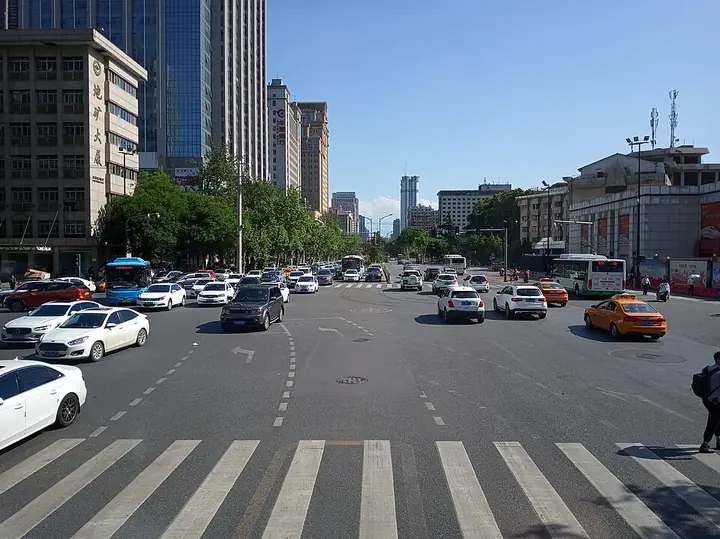
Photo adjustments
Full frame retained; proportionally resized and converted to WebP. No retouching or changes to the photographed subject. Card displays may crop the view.
- Administrative area
- District · 市辖区
- Part of
- Xi’an
- Chinese name
- 碑林区
- Local areas
- District guide
Area & population
- Area in the source
- 23.37 km²
- Population · 2019
- 734,000
Source: cited geographic source, as of the dates shown.
What to see
The Stele Forest Museum (西安碑林博物馆) was founded in 1087 under the Northern Song and was placed on the first national list of protected monuments in 1961. It holds close to 3,000 steles and epitaphs from the Han dynasty onward. The museum and the city wall together form a 5A scenic area.
The Xi'an City Wall (西安城墙) was built in the early Ming on the base of the Tang imperial city and was first faced with brick in 1568. Seven of its gates stand in Beilin: Hanguang (含光门), Zhuque (朱雀门), the South Gate, Wenchang (文昌门), Heping (和平门), Jianguo (建国门) and the East Gate. Inside the South Gate, the Shuyuanmen (书院门) walk runs 570 metres east to west, lined with shops selling writing brushes, ink, paper and inkstones, antiques, calligraphy and paintings, and linking the Guanzhong Academy (关中书院), a Ming-dynasty academy, with the Baoqing Temple Flower Pagoda (宝庆寺华塔), a seven-storey hexagonal tower of coloured brick.
About three li (里) southwest of Yongning Gate (永宁门), outside the wall, Jianfu Temple (荐福寺) was founded in 684 and renamed in 690. When its Small Wild Goose Pagoda (小雁塔) was strengthened in 1965, the missing top was deliberately left as it was. The pagoda is on the World Heritage list. The Xi'an Museum (西安博物院), designed by the architect Zhang Jinqiu (张锦秋), keeps about 130,000 objects from every period of the city's history.
Religious sites include Wolong Temple (卧龙寺), dated by the district government to Emperor Ling of the Eastern Han (168–189), and Wangji Temple (罔极寺), set up in 705 by Princess Taiping (太平公主) for her mother Wu Zetian (武则天). The Eight Immortals Palace (八仙宫) is a Taoist temple begun in the Song and described by the district as the largest in Xi'an. Xingqing Palace Park (兴庆宫公园) was laid out in 1958 over Emperor Xuanzong's Tang palace, outside the southeast corner of the old city. The Xi'an Incident Memorial (西安事变纪念馆) opened in 1986 at the former residence of Zhang Xueliang (张学良) and the villa of Yang Hucheng (杨虎城).
Getting oriented
Beyond the monuments, Beilin is a university and shopping district. Xi'an Jiaotong University, Northwestern Polytechnical University, Northwest University and Chang'an University are all based here, and the district promotes the stretch from the Bell Tower (钟楼) to the South Gate, anchored by SKP and Kaiyuan Mall, as a high-end shopping centre. The district also counts Xi'an drum music (西安鼓乐), on UNESCO's intangible heritage list, among its traditions.
Highlights
- Stele Forest Museum 西安碑林博物馆: Founded in 1087; close to 3,000 steles and epitaphs; national protected site since 1961.
- Small Wild Goose Pagoda 小雁塔: Pagoda of Jianfu Temple, founded 684; its broken top was kept during the 1965 repair.
- Shuyuanmen 书院门: A 570-metre walk of calligraphy, stationery and antique shops inside the South Gate.
- Xi'an Incident Memorial 西安事变纪念馆: Opened in 1986 at the former residence of Zhang Xueliang and the villa of Yang Hucheng.
- Eight Immortals Palace 八仙宫: Taoist temple begun in the Song, described by the district as the largest in Xi'an.
Sources for this guide
碑林区概况-西安市碑林区人民政府 · Beilin District People's Government, Xi'an
碑林旅游景点分布-西安市碑林区人民政府 · Beilin District People's Government, Xi'an
Original English written from the listed sources and checked sentence by sentence against quoted extracts by a separate reviewer. Updated 2026-09-25.
Explore Beilin District
Core places to explore, with English and Chinese names.
Xi'an City Wall 西安城墙
Small Wild Goose Pagoda 小雁塔
Stele Forest 碑林博物馆
Xi’an Museum 西安博物院
Shuyuanmen Cultural Street 书院门
Wolong Temple 卧龙禅寺
Wangji Temple 罔极寺
Xi'an Incident Memorial Museum · Zhang Xueliang Residence 西安事变纪念馆·张学良公馆
Xingqing Palace Park 兴庆宫公园
Eight Immortals Palace 八仙宫
Small Wild Goose Pagoda and Xi'an Museum 小雁塔与西安博物院
Xi'an Beilin Museum 西安碑林博物馆
Places to explore around Beilin District
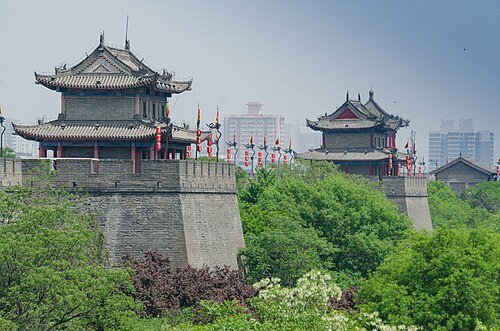 Xi'an City Wall · 西安城墙
Xi'an City Wall西安城墙
Xi’an’s city wall encloses the later imperial city in a near-rectangular circuit. Its main fabric dates from the Ming period, built partly on earlier city foundations. The interest is in the whole defensive system: projecting…
Read the place guide →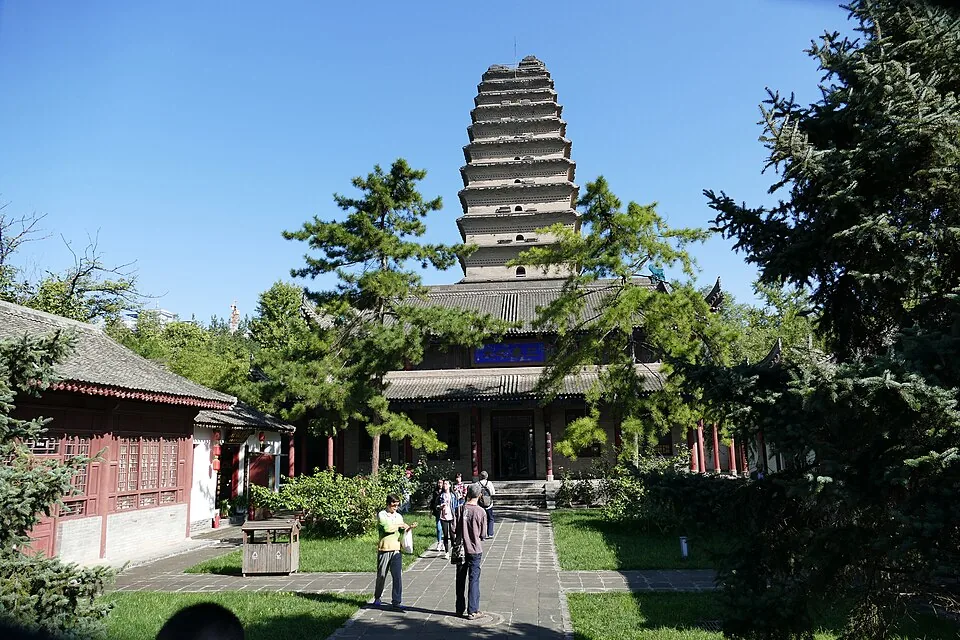 Small Wild Goose Pagoda · 小雁塔. Photo: 2015-09-23 08:33:27.
Small Wild Goose Pagoda小雁塔
The Small Wild Goose Pagoda survives within the Jianfu Temple grounds administered by Xi’an Museum. Its closely spaced brick eaves give it a very different outline from the Giant Wild Goose Pagoda. Built in the early eighth…
Read the place guide →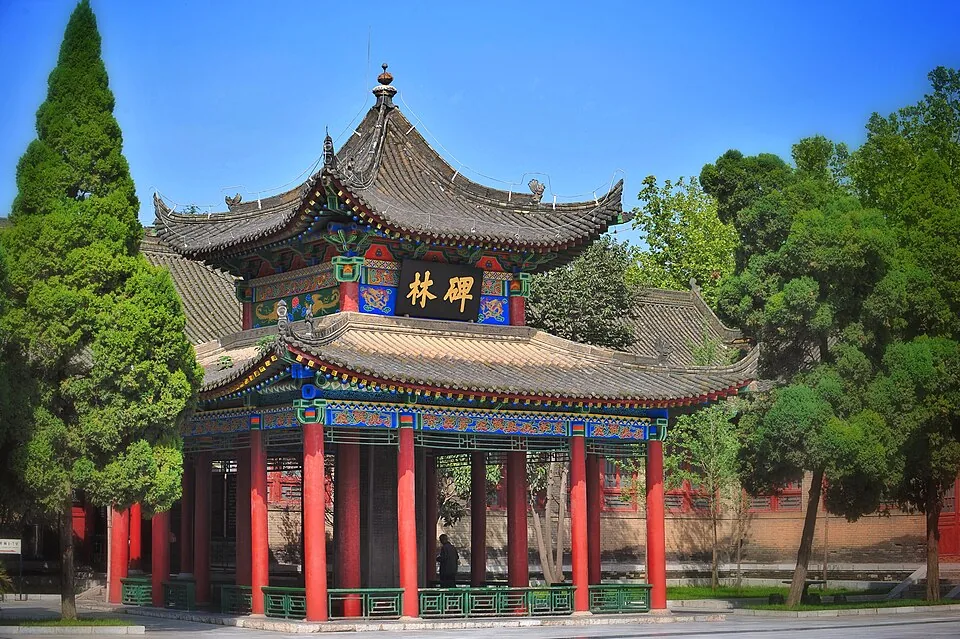 Stele Forest · 碑林博物馆. Photo: 2011-09-29 14:32:52.
Stele Forest碑林博物馆
The Beilin Museum preserves stone texts and sculpture in the setting of Xi’an’s former Confucian temple. The Kaicheng Stone Classics turn canonical books into carved monuments, while later steles reveal the development of…
Read the place guide →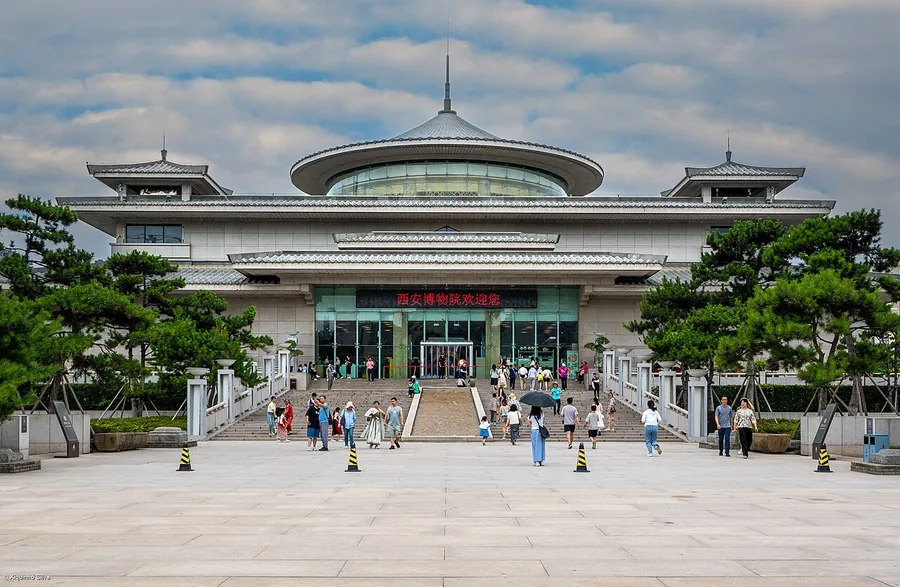 The main facade of Xi’an Museum, with its circular roof above the entrance. Photographed on 9 June 2024.
Xi’an Museum西安博物院
Xi’an Museum places the city’s changing form at the center of its collection. Models of successive capitals help explain why Han Chang’an, Tang Chang’an and the later walled city occupy different footprints. Bronze vessels…
Read the place guide →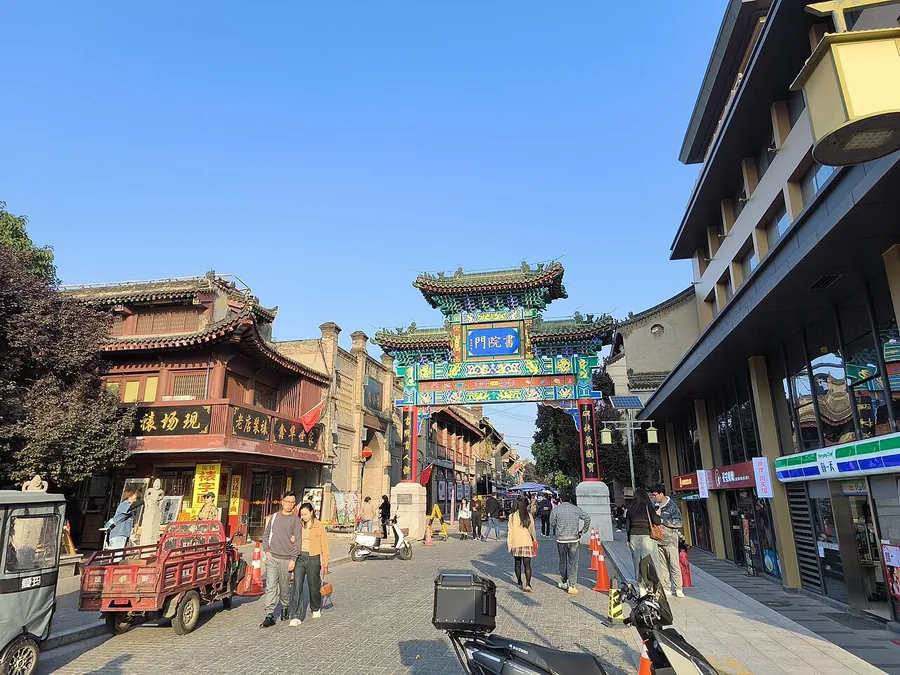 The decorated gateway and shop-lined Shuyuanmen Cultural Street, Xi’an. Photographed on 7 October 2023.
Shuyuanmen Cultural Street书院门
Shuyuanmen is an art-supplies and calligraphy street just inside Xi’an’s South Gate. Its name comes from Guanzhong Academy, established here in the Ming period. Today’s shopfronts largely reflect a modern rebuilding in…
Read the place guide →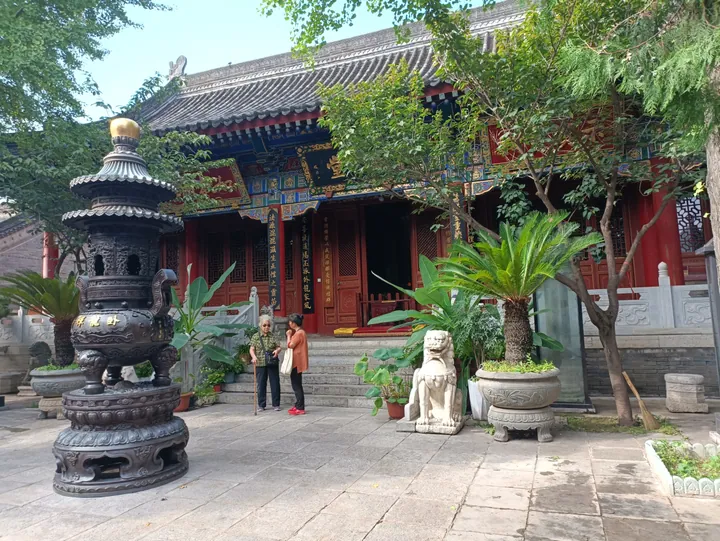 The courtyard of 卧龙寺: a hall with red doors, painted blue-and-gold brackets and a grey tiled roof on a raised stone terrace, a huge tiered bronze incense burner with a gilt finial in the left foreground, a stone lion on a pedestal at the right, potted cycads and two visitors in the middle.
Wolong Temple卧龙禅寺
Wolong Temple is an active Chan Buddhist monastery in Xi’an’s Baishulin neighborhood. Its name recalls a monk known as the ‘reclining dragon,’ but the material interest lies in the temple courts and inscribed stone monuments…
Read the place guide → The main gate of Wangji Temple in Xi'an, inscribed with the temple's name · 西安罔极寺山门 Source-recorded photograph date: 2017-06-25 11:33:22.
Wangji Temple罔极寺
Wangji Temple, written 罔极寺, occupies a modest site on Paofang Street outside Xi’an’s East Gate. Its origins are associated with Princess Taiping and the Tang imperial family, although the buildings seen today reflect repeated…
Read the place guide → Gate of Zhang Xueliang Residence and the Xian Incident Memorial · 张学良公馆 Photograph date recorded by the source: Taken on 29 September 2023 17:07:19.
Xi'an Incident Memorial Museum · Zhang Xueliang Residence西安事变纪念馆·张学良公馆
This branch of the Xi’an Incident Memorial occupies Zhang Xueliang’s former residence on Jianguo Road. Three parallel, three-storey buildings preserve the layout of a 1930s compound that became a center of negotiations during…
Read the place guide →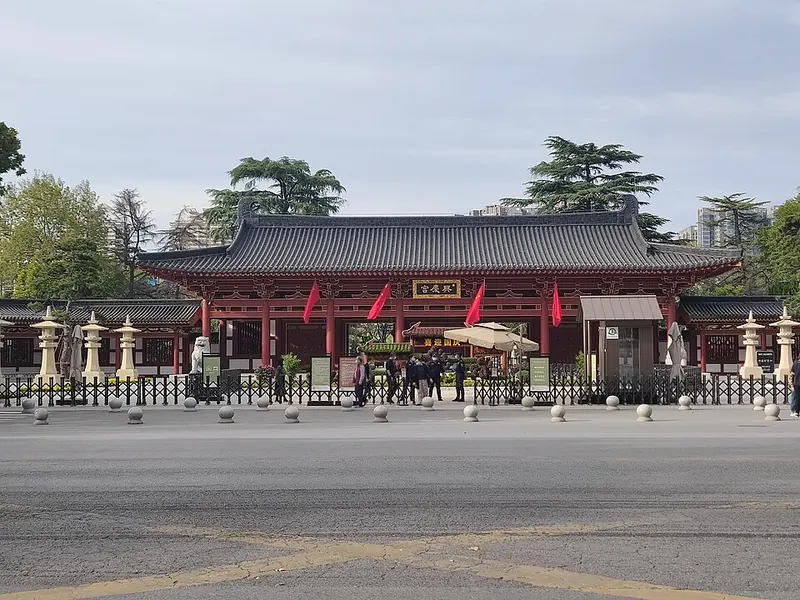 South entrance of Xingqing Palace Park in Xi’an. Photograph date recorded by the source: 2022-09-27 16:31:28.
Xingqing Palace Park兴庆宫公园
Xingqing Palace Park occupies part of the site of Emperor Xuanzong’s Tang palace, but its lake, pavilions and public-garden layout largely belong to the twentieth century and later. Chenxiang Pavilion and the lakeside buildings…
Read the place guide → The entrance of Eight Immortals Palace in Xi’an · 西安八仙宫 Photograph date recorded by the source: 16 February 2016, 14:29:11.
Eight Immortals Palace八仙宫
Eight Immortals Palace is a working Daoist temple outside Xi’an’s East Gate. Its three principal courtyards lead from the Lingguan guardian hall to the Eight Immortals Hall and Doumu Hall. Brick archways, inscribed steles and…
Read the place guide →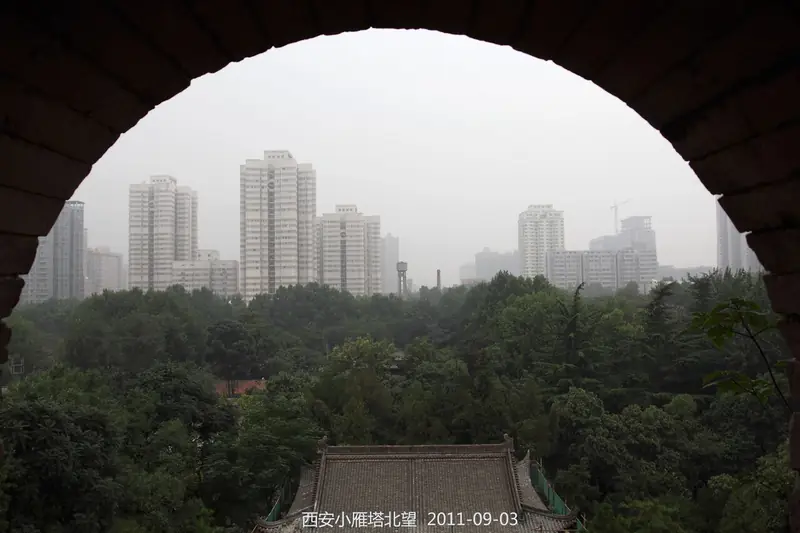 Small Wild Goose Pagoda and Xi'an Museum (小雁塔与西安博物院), Beilin District. Photograph: "小雁塔内北望 north view - panoramio".
Small Wild Goose Pagoda and Xi'an Museum小雁塔与西安博物院
The Small Wild Goose Pagoda (小雁塔) and the Xi'an Museum (西安博物院) occupy one site in Beilin District, Xi'an. The pagoda stands inside Jianfu Temple, was first built in 707 to house the Buddhist scriptures and images brought back by the Tang monk Yijing, and was inscribed on the World Heritage List in 2014. The museum was built around it and is made up of the Tang Jianfu Temple historic scenic area, the museum building and the Small Wild Goose Pagoda historic culture park.
Read the place guide → The main gate of the Xi'an Beilin (Stele Forest) Museum, Beilin District · 西安碑林博物馆大门,碑林区 Source-recorded photograph date: 2023-09-29 12:51:15.
Xi'an Beilin Museum西安碑林博物馆
Xi'an's Forest of Steles, begun in 1087 on the old Confucian Temple site, with Tang stone classics, famous calligraphy steles and new north halls.
Read the place guide →Plan your visit
Getting there
Beilin District covers the centre of Xi’an. Search for 碑林区 in a map app to find stations and your accommodation.
Where to stay →Build your route
Xi'an City Wall and Small Wild Goose Pagoda are about 1 km apart in a straight line. The linked place guides have entrance and visit details.
Continue with Xi’an →More in Xi’an
Sources & geographic information
Administrative names and parent areas: Official geographic directory · Reference date 2026-09-06.
Photo: Xi'an City Wall · xiquinhosilva · CC BY 2.0. Wikimedia thumbnail; fitted to the ranking-card frame.
.jpg)
Photo: Small Wild Goose Pagoda · Zossolino · CC BY-SA 4.0. Converted to WebP and resized without changing the subject or cropping the source frame.

Photo: Stele Forest · 蒋亦炯 · CC BY-SA 3.0. Converted to WebP and resized without changing the subject or cropping the source frame.

Photo: Xi’an Museum · xiquinhosilva · CC BY 4.0. Proportionally resized and converted to WebP without cropping, retouching or changing the photographed subject.

Photo: Shuyuanmen Cultural Street · 源義信 · CC BY-SA 4.0. Proportionally resized and converted to WebP without cropping, retouching or changing the photographed subject.
,_Hsi-an_(%E8%A5%BF%E5%AE%89).jpg)
Photo: Wolong Temple · Kcx36 · CC BY-SA 4.0. Full frame retained; proportionally resized and converted to WebP. No retouching or changes to the photographed subject. Card displays may crop the view.

Photo: Wangji Temple · Amarespeco · CC BY-SA 4.0. Full frame retained; proportionally resized and converted to WebP. No retouching or changes to the photographed subject. Card displays may crop the view.

Photo: Xi'an Incident Memorial Museum · Zhang Xueliang Residence · Kcx36 · CC BY-SA 4.0. Full frame retained; proportionally resized and converted to WebP. No retouching or changes to the photographed subject. Card displays may crop the view.

Photo: Xingqing Palace Park · Liuxingy · CC BY-SA 4.0. Full frame retained; proportionally resized and converted to WebP. No retouching or changes to the photographed subject. Card displays may crop the view.

Photo: Eight Immortals Palace · Acstar · CC BY-SA 4.0. Full frame retained; proportionally resized and converted to WebP. No retouching or changes to the photographed subject. Card displays may crop the view.

Photo: Small Wild Goose Pagoda and Xi'an Museum · wanghongliu · CC BY-SA 3.0. Full frame retained; EXIF orientation normalized, proportionally resized to at most 800 pixels and converted to WebP. No generated pixels or subject changes. Cards may crop the display.

Photo: Xi'an Beilin Museum · Kcx36 · CC BY-SA 4.0. Full frame retained; proportionally resized and converted to WebP. No retouching or changes to the photographed subject. Card displays may crop the view.

Map data © OpenStreetMap contributors. Pins mark approximate centres, not entrances or boundaries.