

China Itinerary: 7, 10 and 14-Day Routes for a First Trip

For a first China itinerary, choose Beijing and Shanghai in 7 days, add Xi’an in 10, or include Chengdu in 14. These routes give the Forbidden City, Great Wall, Terracotta Army and pandas enough time, with neighbourhood walks and good meals between the major sights.

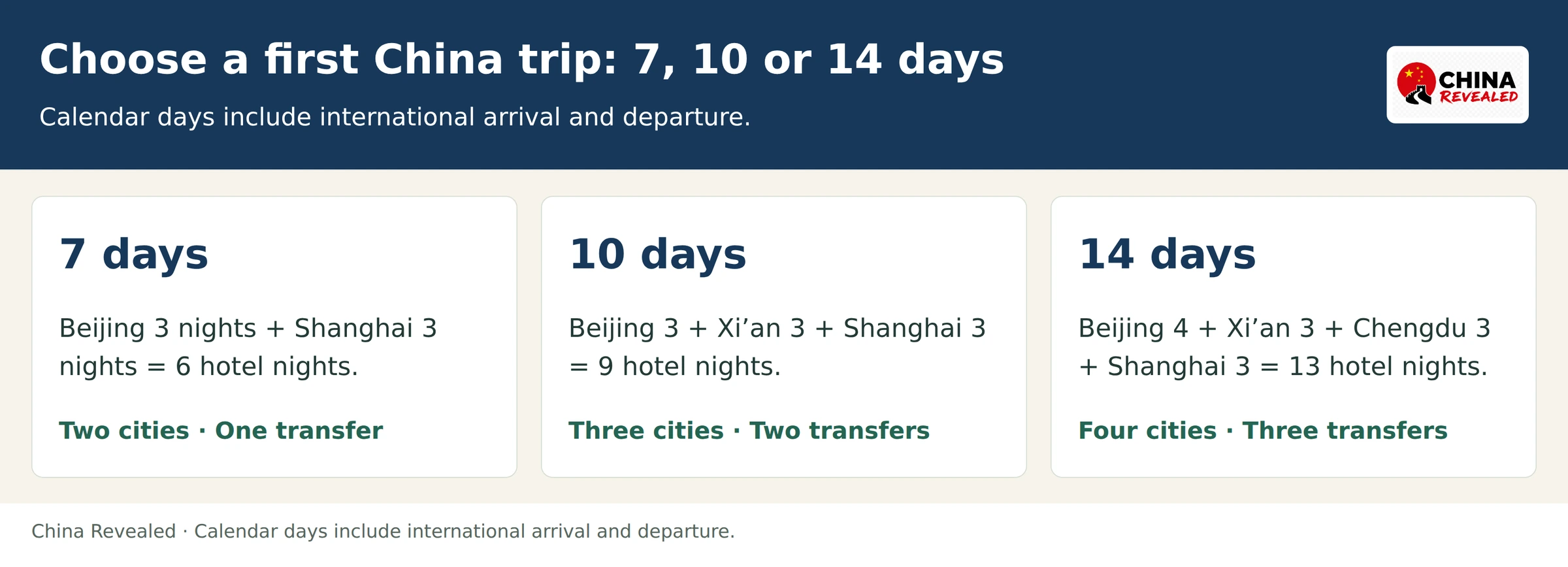
Count arrival and departure as travel days. Seven days means six hotel nights; 10 means nine; 14 means 13. Fly into Beijing and home from Shanghai when the international fares work. That avoids returning to the starting city just to catch a plane. The six destination chapters below explain what deserves time, where to stay, how to get around and roughly what to spend. Yangshuo and Zhangjiajie are planned alternatives, not extra stops squeezed into the same holiday.
Quick takeaways
- Choose 7 days for a first look at imperial Beijing and modern Shanghai: three nights in each, with one protected Great Wall day and one coherent Huangpu River crossing.
- Choose 10 days if the Terracotta Warriors and Tang-era Xi’an matter more to you than pandas or a mountain region: Beijing 3 nights, Xi’an 3, Shanghai 3.
- Choose 14 days for Beijing 4, Xi’an 3, Chengdu 3 and Shanghai 3; replace Chengdu’s three-night block with Yangshuo if karst landscapes matter more, or use the Zhangjiajie version of Beijing 4, Zhangjiajie 5, Shanghai 4.
- Set booking reminders: train sales usually open 15 days ahead; the Palace Museum, panda base and other sights have different release windows. Keep the same passport details across bookings.
- Do not confuse scenery with transport geography: Mutianyu is a hotel-to-hotel day, the classic Guilin–Yangshuo cruise leaves Guilin’s Zhujiang/Mopan Hill pier, Yangshuo Railway Station is in Xingping, and Wulingyuan is not Zhangjiajie city.
In this guide
- Choose a route before booking
- A few practical rules
- Destination playbooks
- Beijing
- Xi’an
- Chengdu
- Shanghai
- Guilin and Yangshuo
- Zhangjiajie
- The 7-day Beijing–Shanghai line
- The 10-day Beijing–Xi’an–Shanghai line
- The 14-day Beijing–Xi’an–Chengdu–Shanghai line
- Intercity transport: the real cost of changing cities
- Nature replacements: Yangshuo and Zhangjiajie
- What to budget for 7, 10 and 14 days
Choose a route before booking
7 days: a first impression with two strong bases
The seven-day route is not a sampler of every famous Chinese landscape. It is a compact east-coast introduction in which Beijing and Shanghai feel different rather than interchangeable. Stay three nights in central Beijing and three nights in central Shanghai. Day 1 is an international arrival; Day 4 is a domestic transfer; Day 7 is an international departure. That leaves two substantial Beijing sightseeing days after the arrival day and two substantial Shanghai days before departure, so the order protects the essentials without pretending that a long-haul arrival is a morning tour.
This is the route for someone who wants the Forbidden City, a genuine Great Wall day, the Temple of Heaven or a hutong, the Bund, Yu Garden and one neighbourhood day. It is also the easiest route to run in cool spring or autumn. It is not the route for both Disneyland and Zhujiajiao, nor for a mountain detour. Pick one Shanghai add-on, or choose neither and use the time for food.

10 days: add a city that explains China’s past
The ten-day route keeps Beijing and Shanghai at three nights each and gives Xi’an three nights in between. Day 4 moves Beijing to Xi’an; Day 7 moves Xi’an to Shanghai. Xi’an earns the space because the Terracotta Warriors, Shaanxi History Museum, city wall and Muslim food streets are a coherent historical block, not a half-day stop between trains. Do not use these ten days to add Huashan casually. A full mountain excursion should replace the Xi’an city plan, not sit beside the Warriors and a departure train.
The best rhythm is one outward archaeological day, one old-city and food day, and one flexible arrival/departure buffer. If the museum reservation fails, make the City Wall and old-town food walk the core of the Xi’an day. The Qin-Han branch is out of the central museum district and needs its own travel plan; it is not a quick replacement between Xiaozhai and the pagoda.

14 days: give the trip a daily life anchor
The main fourteen-day route is Beijing 4 nights, Xi’an 3, Chengdu 3 and Shanghai 3, for 13 nights. Day 1 is Beijing arrival; Day 5 transfers to Xi’an; Day 8 transfers to Chengdu; Day 11 transfers to Shanghai; Day 14 is international departure. Four nights in Beijing permit a real fourth-day choice: Temple of Heaven plus a southern hutong/old commercial district, or a full Summer Palace landscape day. The Chengdu block deliberately puts a conservation visit beside tea, parks and local food, rather than stacking another ticket on top of the panda base.
This is the most balanced route for a first visit when the traveller wants history, food, pandas and two very different large cities. If nature is the priority, replace the Chengdu block with three Yangshuo nights. If tall sandstone landscapes and cableway viewpoints are the priority, use the separate Zhangjiajie version below rather than trying to fit Zhangjiajie into the Chengdu line.

Nature decisions in one sentence
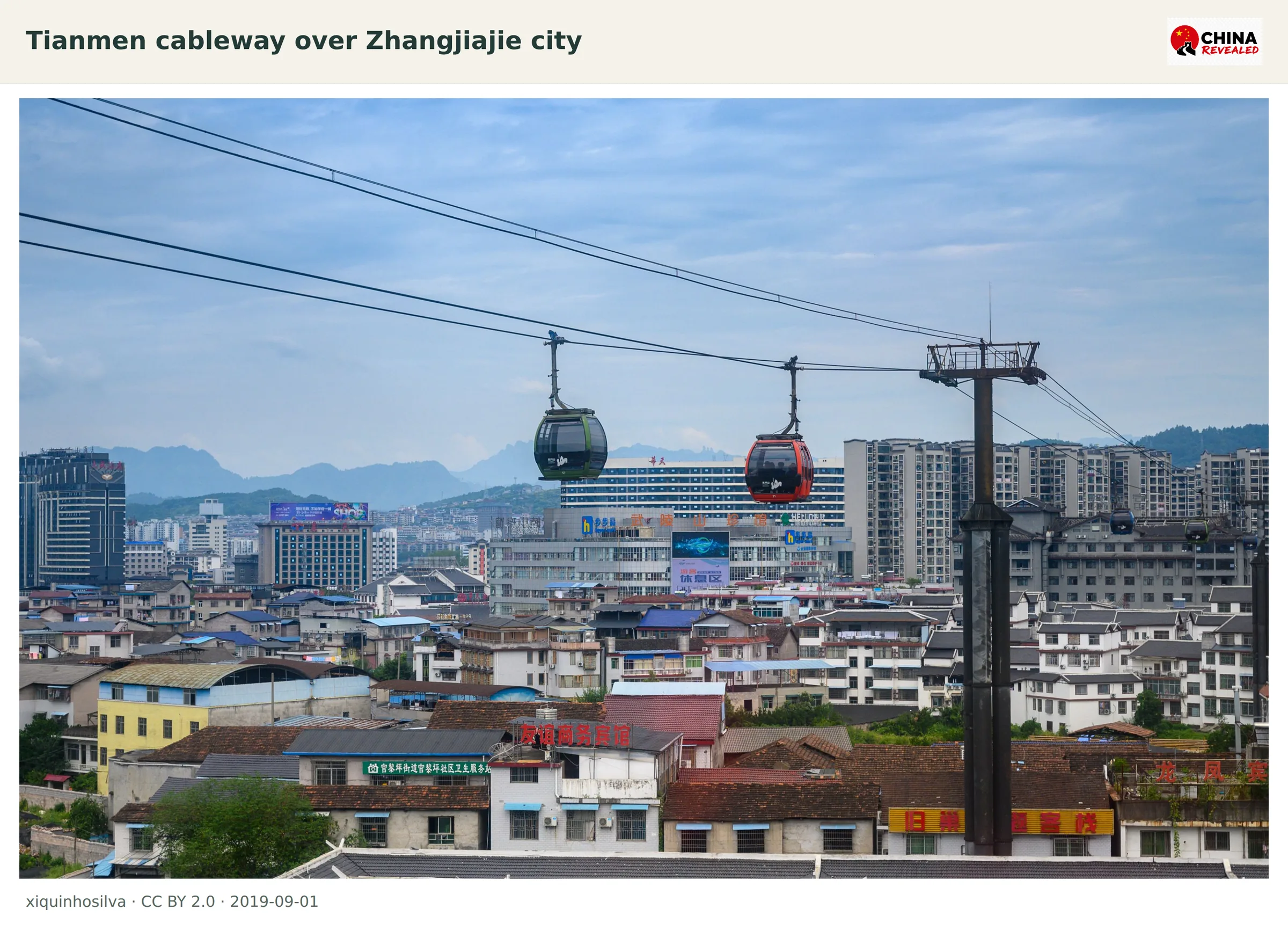
Choose Yangshuo for river bends, karst peaks, bamboo rafting and cycling at village scale; choose Zhangjiajie for forest-park pillars, long mountain days and Tianmen’s city-side cableway. Yangshuo can replace Chengdu’s three nights inside the 14-day architecture. Zhangjiajie needs five nights in the version designed here because Wulingyuan and Tianmen are separate bases and weather can close the views.
Route chooser
7 days / 6 nights — Beijing 3 + Shanghai 3: the clean classic, no extra city, no forced mountain add-on.
10 days / 9 nights — Beijing 3 + Xi’an 3 + Shanghai 3: imperial Beijing, archaeological Xi’an, metropolitan Shanghai.
14 days / 13 nights — Beijing 4 + Xi’an 3 + Chengdu 3 + Shanghai 3: the broadest first-trip mix. Substitute Yangshuo for Chengdu, or choose the separately planned Zhangjiajie 5-night version.
A few practical rules
China’s attraction booking rules are uneven. Ordinary subway and many open streets are simple; the Palace Museum, panda base, Wulingyuan and museum reservations are not. Start with the China Revealed guide to attraction tickets for foreigners and treat every official date-specific booking screen as more authoritative than an old blog price. Put the passport name in exactly the same order and spelling as on the travel document. A booking request is not an issued ticket.
For trains, use the working logic in China train tickets for foreigners: distinguish Beijing South from Beijing West, Xi’an North from Xi’an station, and Hongqiao Railway Station from Hongqiao Airport. Tickets are commonly sold within a 15-day window including the travel date, but schedules, release times and identity checks are operational matters. For domestic flights, check the airport code in Domestic flights in China for foreigners: PEK and PKX are not the same airport, and neither are PVG and SHA or CTU and TFU.
Read What to do on the first day in China before turning an international arrival into a timed attraction. On an overnight flight, an airport transfer, immigration and a first mobile-payment setup are already a meaningful day. The China weather and holiday guide is useful for spring/autumn and crowd planning, but do not invent a national holiday calendar from memory. Finally, read China visa and entry guidance for foreigners; a 14-day itinerary does not automatically qualify for a 240-hour transit exemption.
A practical booking order is:
- Confirm the entry rules for the passport and compare international flights into Beijing and out of Shanghai. “Open-jaw” means arriving in one city and departing from another.
- Choose the city nights and refundable central hotels. Put normal museum closure days into the calendar before assigning sightseeing.
- Book intercity trains when their usual 15-day sales window opens. Check the departure station and each train’s release time.
- Set separate attraction reminders. The Palace Museum normally releases tickets seven days ahead at 8 p.m.; Shaanxi History Museum’s published window is five days ahead at 5 p.m.; the panda base generally offers dates up to 14 days ahead. Use China Standard Time.
- If a key attraction sells out, switch its day or use the city alternative below before buying more nonrefundable extras.
When to use these routes
April–May and September–October are comfortable starting points for the classic cities, but avoid the national holiday rush when the dates are flexible. Beijing and Xi’an can be hot in summer; do exposed walls early and put an indoor or seated break after lunch. Shanghai’s summer is humid, while Chengdu can feel sticky even on cloudy days. In winter the classic history route still works, with shorter outdoor walks and warm indoor meals.
For Yangshuo, spring can bring attractive mist but also rain and changing river conditions. Autumn is often easier for a countryside day. Zhangjiajie needs the spare mountain morning even in a good season: a forecast for the city does not guarantee a clear plateau view. The weather and holiday guide helps choose the week, not just the month.
Destination playbooks
Each city’s Top 5 is an editorial priority order for a first visit, based on the sights’ appeal and how well they fit these routes. It is not a claimed visitor-count ranking.
Beijing
Beijing rewards a geographic plan. The city’s imperial axis, north-south parkland, wall country and everyday hutong life are not next-door attractions, so a good day uses one contiguous corridor and stops before the return journey becomes a second tour. Stay in Dongcheng, around Wangfujing, Dongsi or Yonghegong, or in Xicheng near Shichahai if a quieter evening matters more than a direct airport connection.
Editor’s Top 5
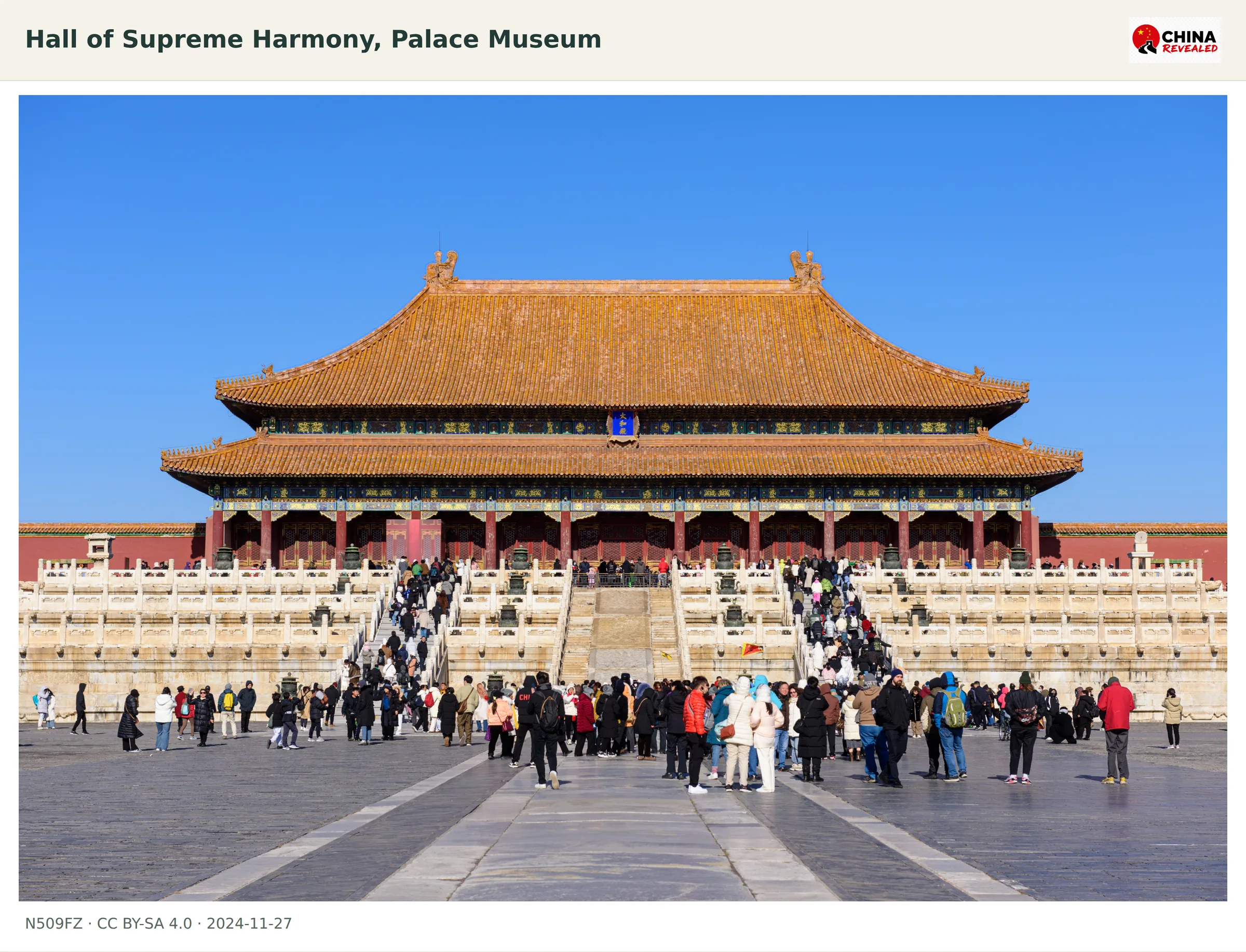
1. Palace Museum / Forbidden City — Wumen to Shenwumen. Enter at Meridian Gate (Wumen) and walk south to north through the outer and inner courts. Tian’anmen Square has a separate reservation: a Palace Museum ticket does not book the square. The practical exit is Gate of Divine Might (Shenwumen), where Jingshan’s Wanchun Pavilion is directly across the road. Allow 3–4 hours inside, plus security and the viewpoint. The official adult ticket is ¥60 in April–October and ¥40 in November–March; Treasure Gallery and Clock Gallery are ¥10 each if selected. The Palace Museum normally closes on Mondays, and the timed real-name booking must use the same passport at entry. Jingshan after the north exit is the natural next stop; keep another major palace for a different day.
2. Mutianyu Great Wall — a protected return day. Plan 7–9 hours hotel-to-hotel, usually with a pre-booked car or ride-hail from a central hotel. The official adult entrance planning price is ¥40; allow about ¥20 for the scenic shuttle and roughly ¥100 one-way or ¥140 return per person for the chairlift/toboggan combination if you choose it. Keep this day for the wall and its return drive. Arrive at the visitor centre/North Ticket Gate in the morning, walk only as far as the group can enjoy, eat locally, and return to the same hotel. A shared return car often plans at ¥500–800 per vehicle, not per person.
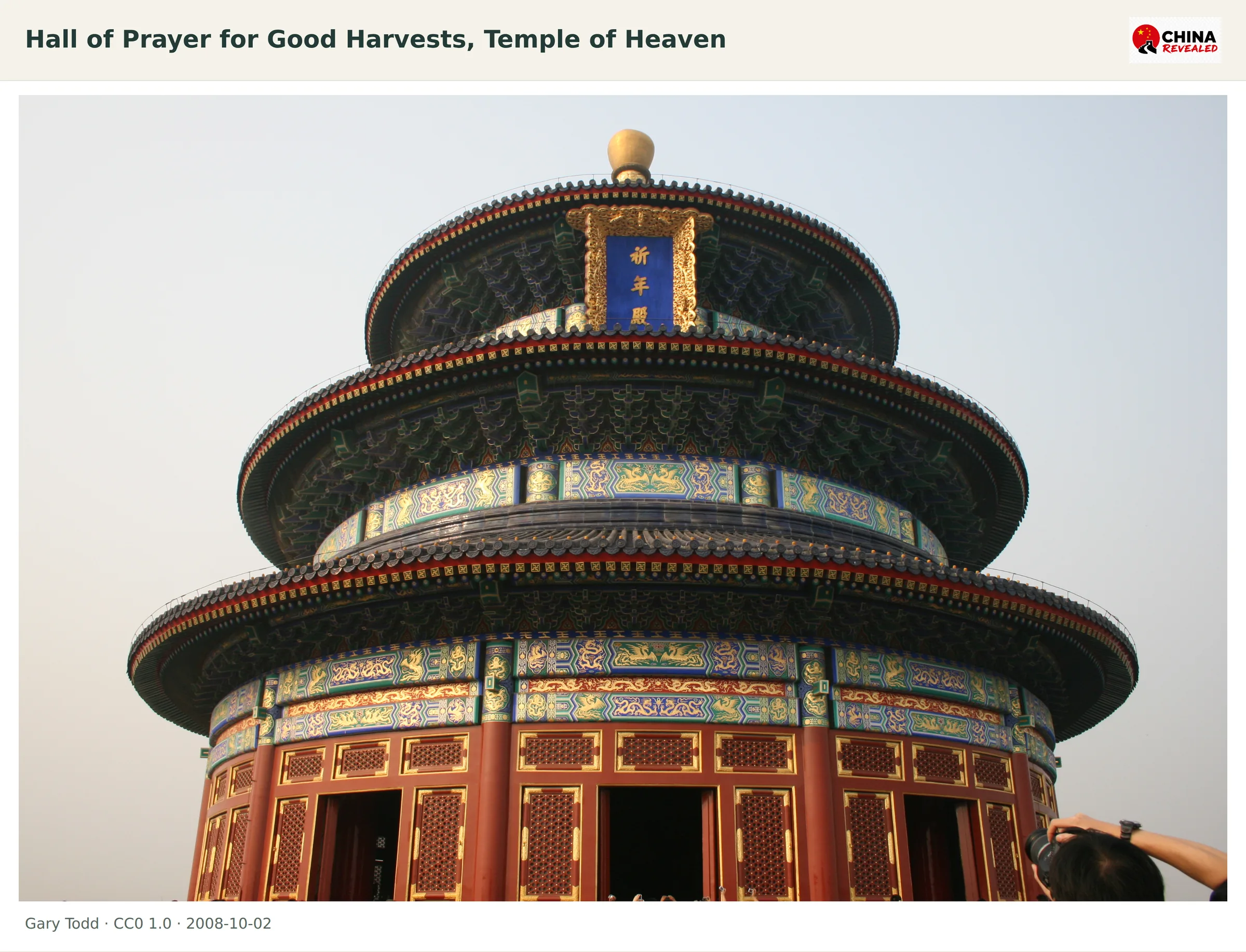
3. Temple of Heaven to Qianmen and Dashilar. Enter at Tiantan East Gate and give the cypress avenues, Hall of Prayer for Good Harvests, Imperial Vault, Echo Wall and Circular Mound Altar 3–4 hours. The high-season adult combination is ¥34. Choose the combined ticket to enter the main monuments; a park-only ticket does not cover all the paid halls. The park is lively in the morning with exercise and singing; the paid halls have different hours and a usual Monday closure, so check the park’s official ticket channel or counter before choosing the date. Continue by a 15–25-minute taxi or roughly 25–35 minutes by metro to Qianmen/Dashilar. Use the afternoon for old commercial lanes and a bowl of zhajiangmian rather than adding the National Museum simply because it is nearby.

4. Summer Palace — one landscape day, not another checklist. Give the lake, Long Corridor, Longevity Hill and Seventeen-Arch Bridge 4–5 hours. Enter at East Palace Gate for the imperial halls and long corridor, or North Palace Gate for a shorter Suzhou Street/lake route. Adult admission is ¥30 peak season or ¥20 off-season; the combined ticket is ¥60/¥50. Check which paid interiors are included in the chosen ticket. Lake boats are a separate expense. Line 4 serves Xiyuan and Beigongmen. Summer Palace is the correct replacement for a fourth Beijing day when water and trees sound better than more courtyards.
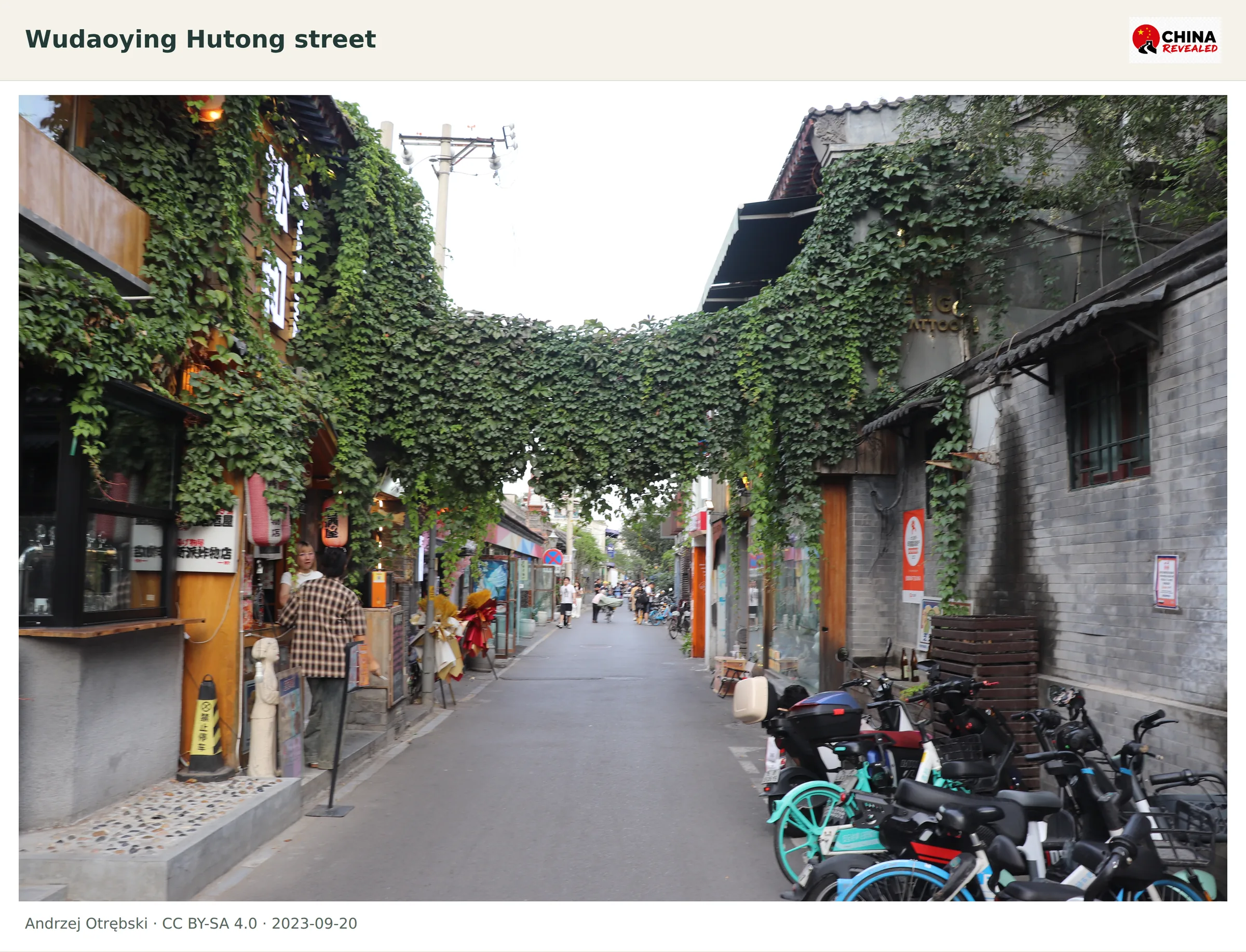
5. Yonghe Temple, Wudaoying, and Shichahai as lived Beijing. Yonghe Temple takes 1–1.5 hours and is a working religious place, not a prop; adult admission is ¥25 with real-name advance booking. From Yonghegong station, walk 5–10 minutes to Wudaoying Hutong for a simple lunch, coffee or small gallery. Keep voices down and do not photograph residents’ doorways. For a different afternoon, walk from Jingshan west toward Shichahai, Yandai Xiejie and Houhai; the lakes are free and a 2–3-hour walk is enough. Skip forced rickshaw packages. Wudaoying and Shichahai are neighbourhoods, not a demand to buy a themed experience.

Three useful Beijing combinations
- Palace Museum → Jingshan → Shichahai: one central-axis day, starting at Wumen and ending near the lakes. Dinner can be noodles near Gulou or a courtyard-style restaurant around Houhai.
- Temple of Heaven → Qianmen → Dashilar: a clean south-city day with cypress, imperial ritual, old shops and lunch. Do not attach a far northern palace.
- Yonghe Temple → Wudaoying → Guozijian/Confucius Temple: a compact north-axis morning and early afternoon; save Shichahai for the Palace day.
Beijing food and rooms
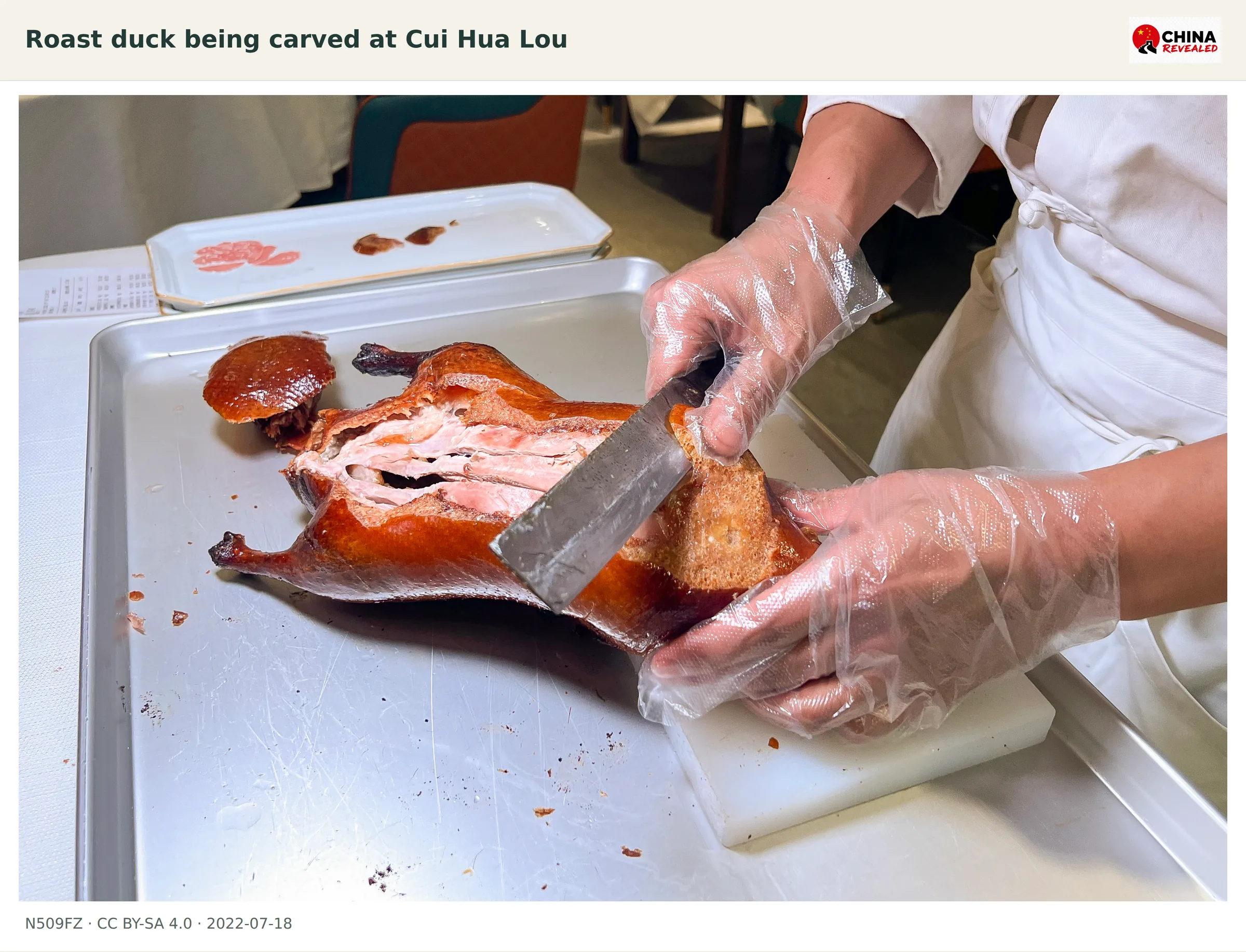
Order zhajiangmian at a neighbourhood noodle shop for roughly ¥25–50 per person. Roast duck is a different meal: a good mid-range restaurant plans around ¥150–250 per person, while a premium dinner can reach ¥350–550. Ask how the half or whole bird is priced before ordering; a table-side carving service is part of the meal, not automatically a reason to choose the most expensive room.
For two adults sharing, plan ¥450–900 per room per night for a solid central mid-range double and ¥900–1,800 for a stronger four-star or peak-date location. PEK’s Capital Airport Express is about ¥25 per person and 25–30 minutes to Dongzhimen. PKX’s Daxing Airport Express is about ¥35 per person and roughly 22 minutes to Caoqiao. Central subway rides are usually ¥3–6; a daytime taxi starts at ¥13 for the first 3 km. From Beijing South to Wangfujing, Line 4/1 is roughly 35 minutes and ¥4 per person. Send the hotel the names and ages of all guests and confirm its check-in arrangements.
Xi’an
Xi’an is the strongest third city for a first trip built around ancient history and food. Give the Warriors a complete outward day, then give the city wall, museum and Muslim food districts a day that ends with people rather than another gate. The city’s best base for a first visit is around Bell Tower, with Yongningmen/South Gate a good alternative for wall access. Huashan should replace this block if it is your central goal; it should not be a surprise fifth item.
Editor’s Top 5
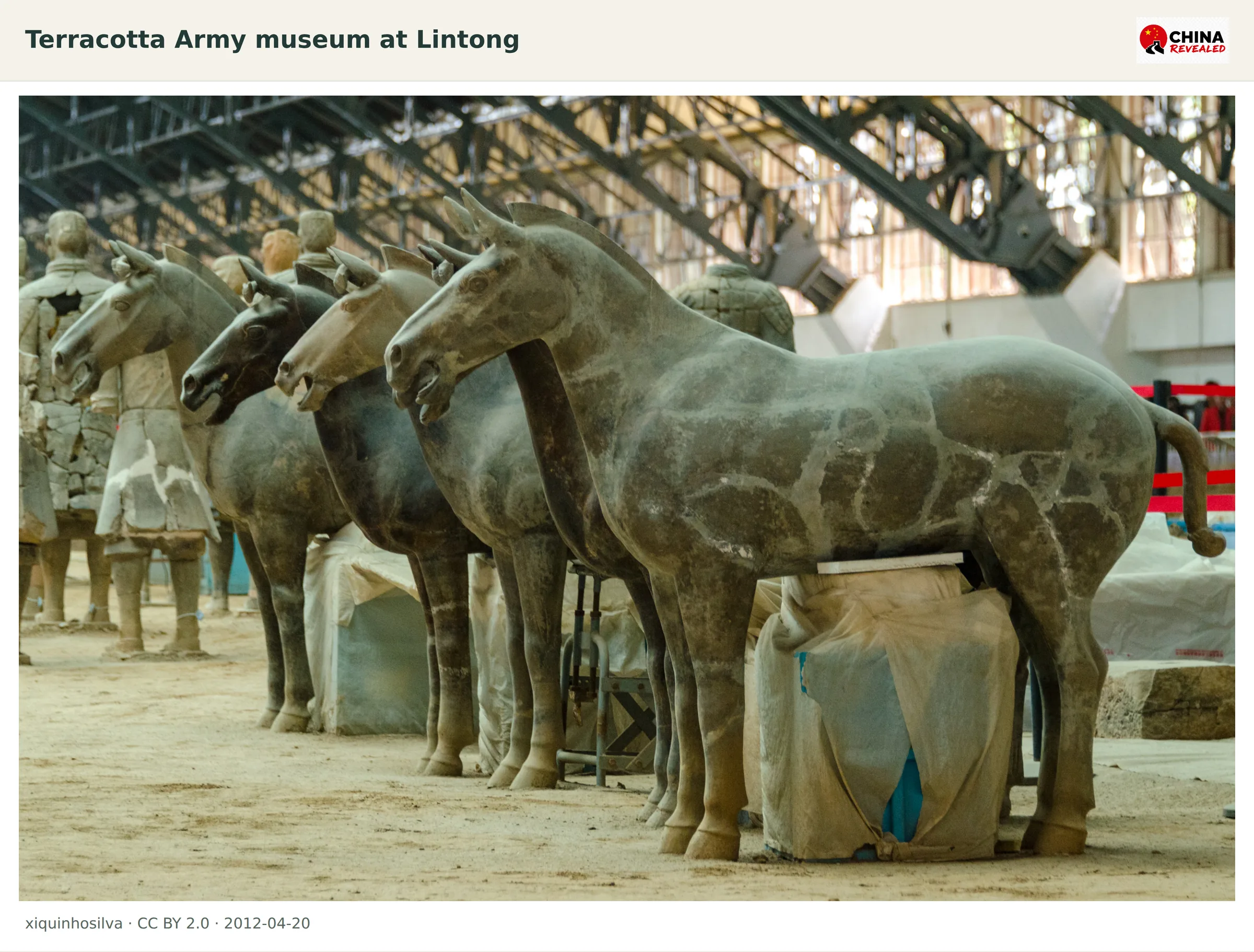
1. Emperor Qinshihuang’s Mausoleum Site Museum. Start around 07:30–08:00 from central Xi’an. The North Gate is the entrance; the ticket is ¥120 per adult and covers the Terracotta Army and Lishan Garden, with free inter-area shuttle. Give Pits 1–3, the Bronze Chariots and the garden enough time—5–8 hours door to door including security and lunch. Electric carts are optional, about ¥5 in the museum zone and ¥15 in Lishan Garden. Shared taxi planning from the centre is roughly ¥100–150 per car each way. Do not return from the Warriors and then attempt the wall at night as if the traffic did not exist.
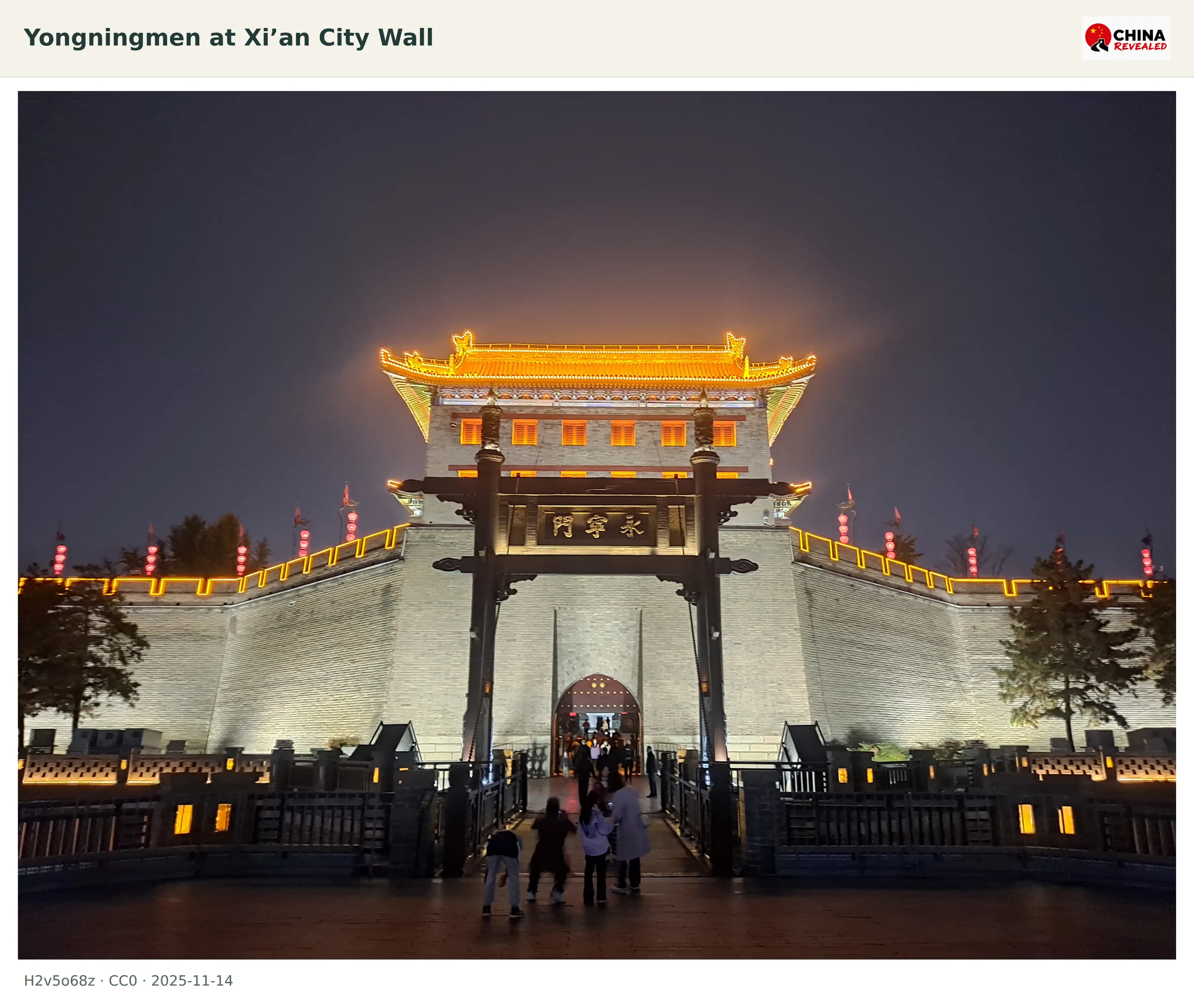
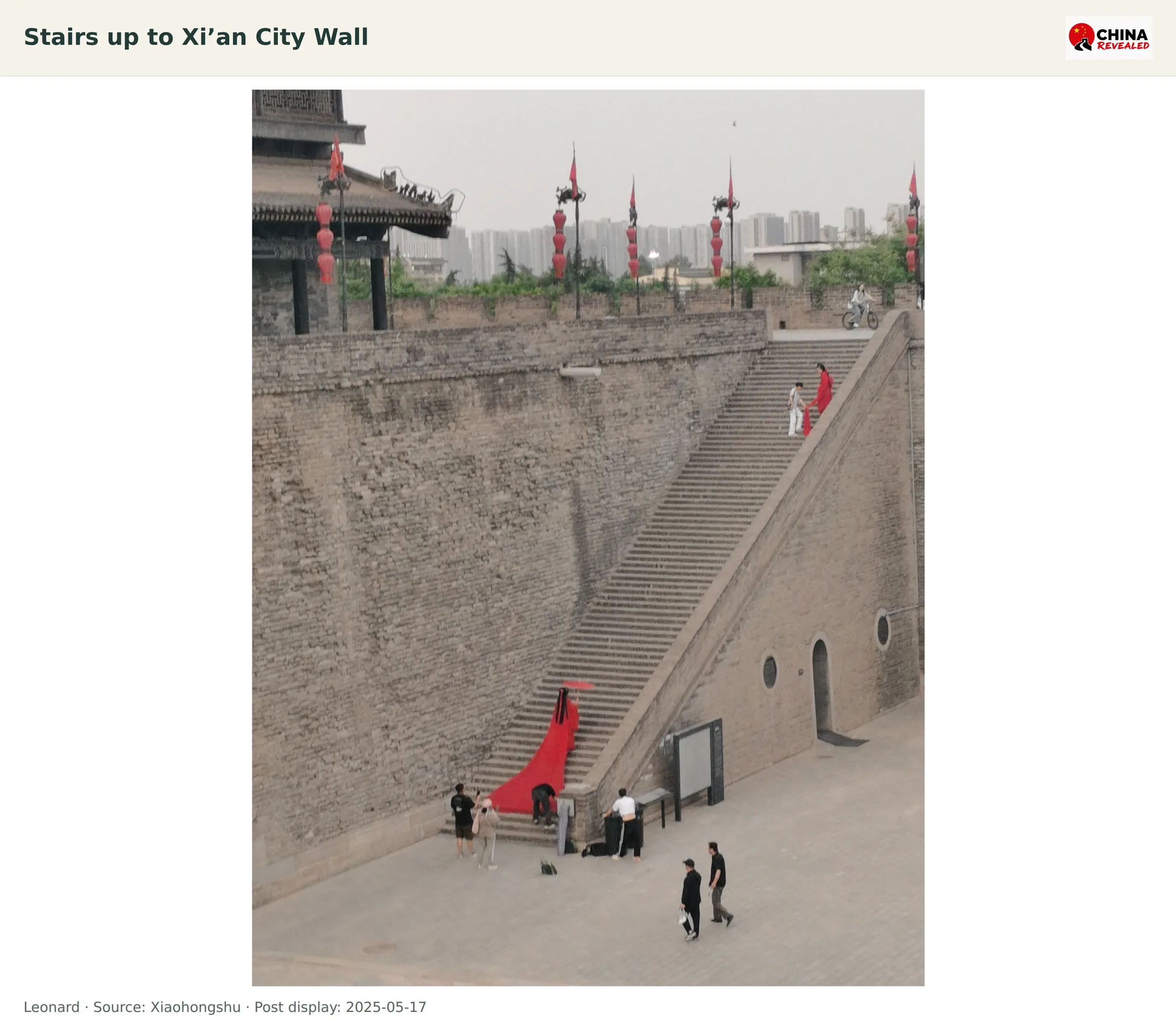
2. Xi’an City Wall from Yongningmen. Buy the ¥54 adult ticket and enter at South Gate/Yongningmen. Walk east or west for 2–3 hours, or rent a single bicycle for about ¥45/180 minutes or a tandem for about ¥90/180 minutes; confirm deposit and late terms at the counter. Continue to Shuyuanmen and Beilin lanes. This day works because the wall gives the city its grid and the calligraphy street gives the grid a human scale. Do not combine the wall with the distant Warriors.

3. Shaanxi History Museum. The main collection is free but reservation is the difficult part. The official guide accepts passports and releases tickets five days ahead at 17:00 China Standard Time; a successful order, not a pre-filled form, is what matters. Allow 2.5–3.5 hours and use the City Wall/old-town day if the reservation fails. The Qin-Han branch needs a separate out-of-centre transfer and reservation. The Tang Dynasty Mural Treasures Gallery is a separate specialist-priced product, currently listed at ¥270, and is optional. From the old city, use Metro Line 2 or 3 to Xiaozhai and walk. Follow with lunch around Xiaozhai and a south-city walk rather than crossing Xi’an again.
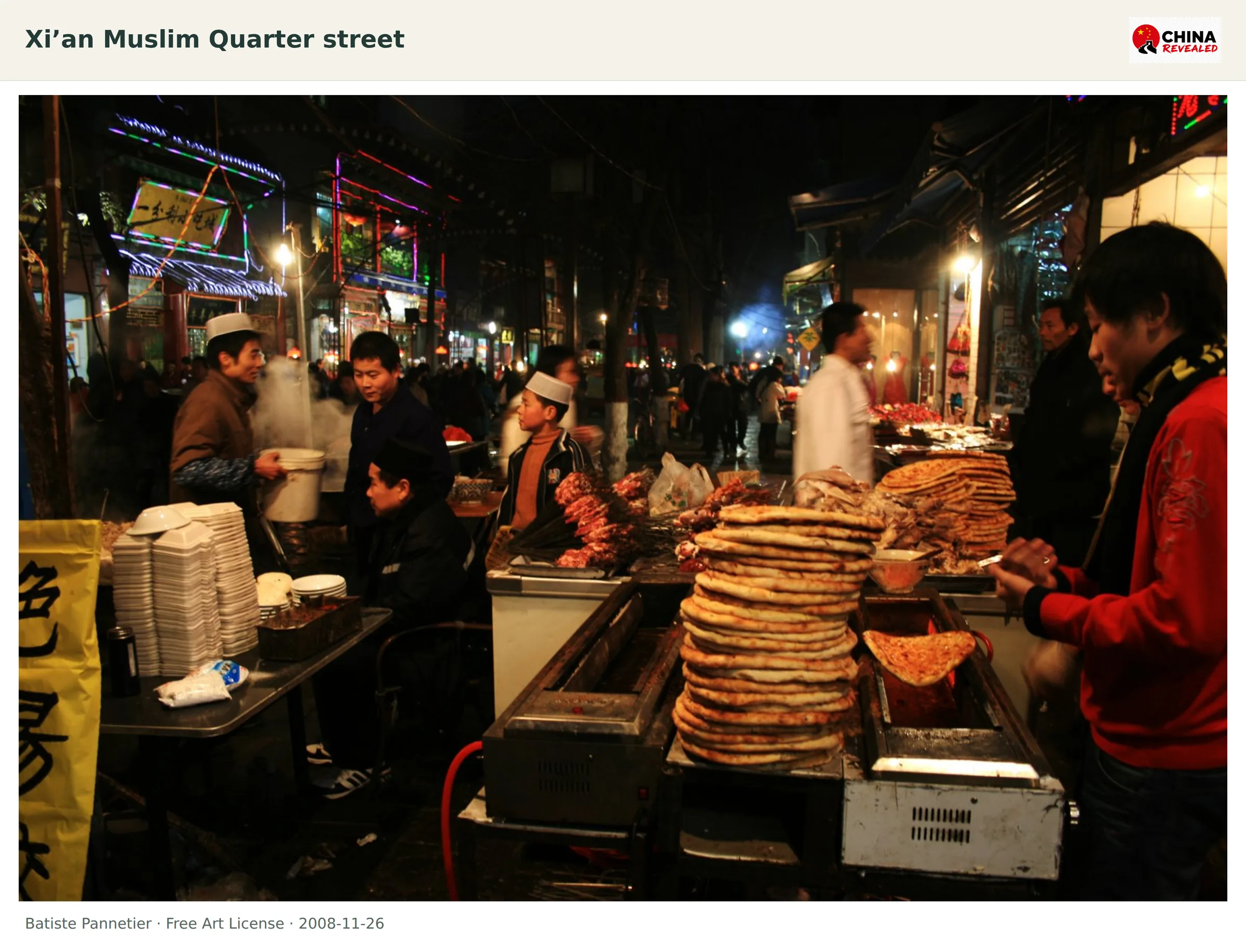
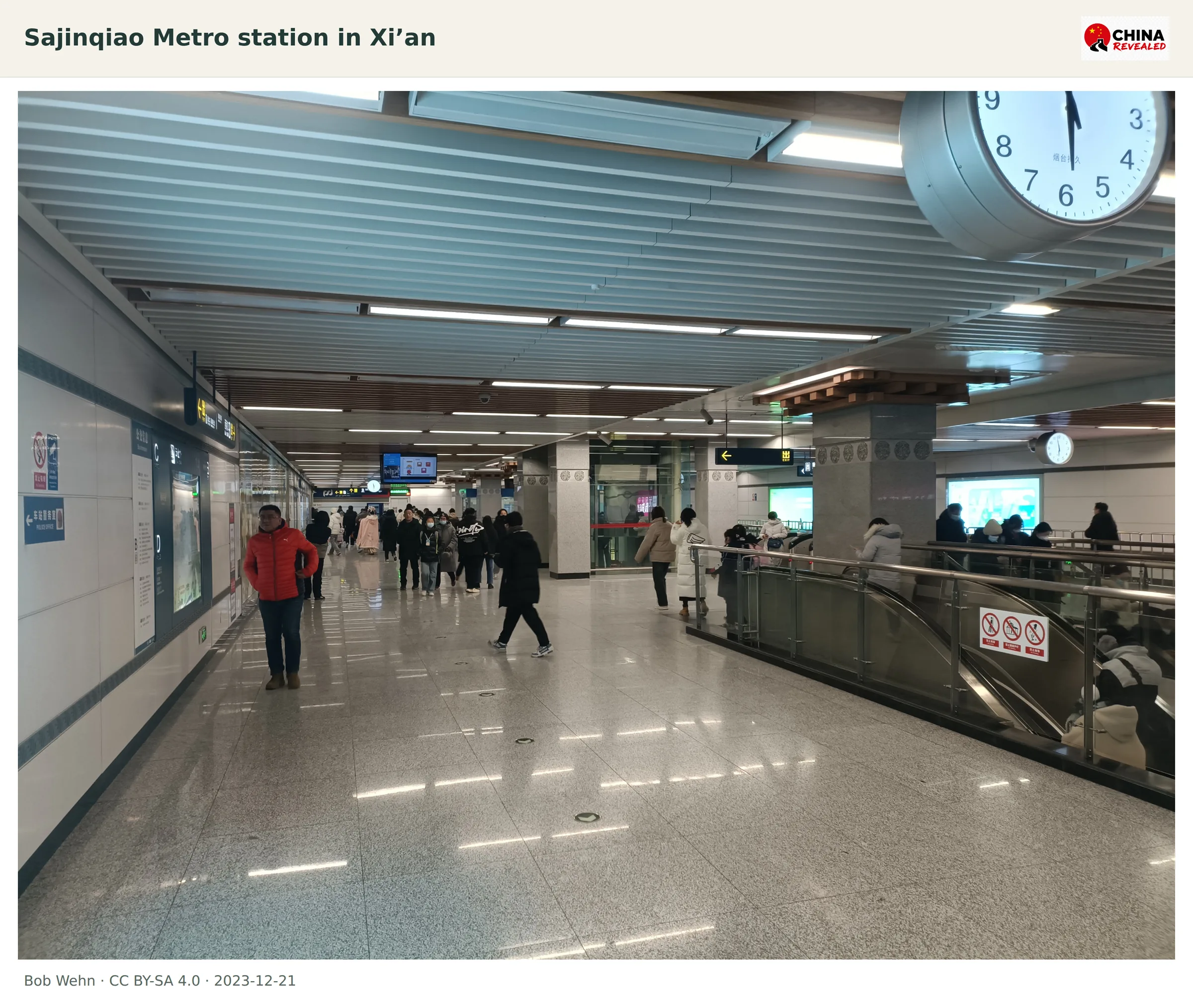
4. Beiyuanmen, Xiyangshi, Dapiyuan and Sajinqiao. The main Muslim Quarter lane is useful for orientation but can feel like a commercial showcase. Turn into Xiyangshi or Dapiyuan for smaller stalls, then use Line 1 to Sajinqiao for a working-neighbourhood contrast. There is no admission ticket. Try roujiamo, yangrou paomo and biangbiang mian across different meals. In a traditional paomo shop, bread is torn into small pieces first, then taken to the kitchen to be cooked in lamb or beef broth. Ask for the ready-prepared version if a quicker meal suits the day. Liangpi is a good lighter stop. Casual food plans at ¥15–40 per person, a paomo or traditional sit-down meal at ¥30–80. Confirm whether a portion is for one or two.

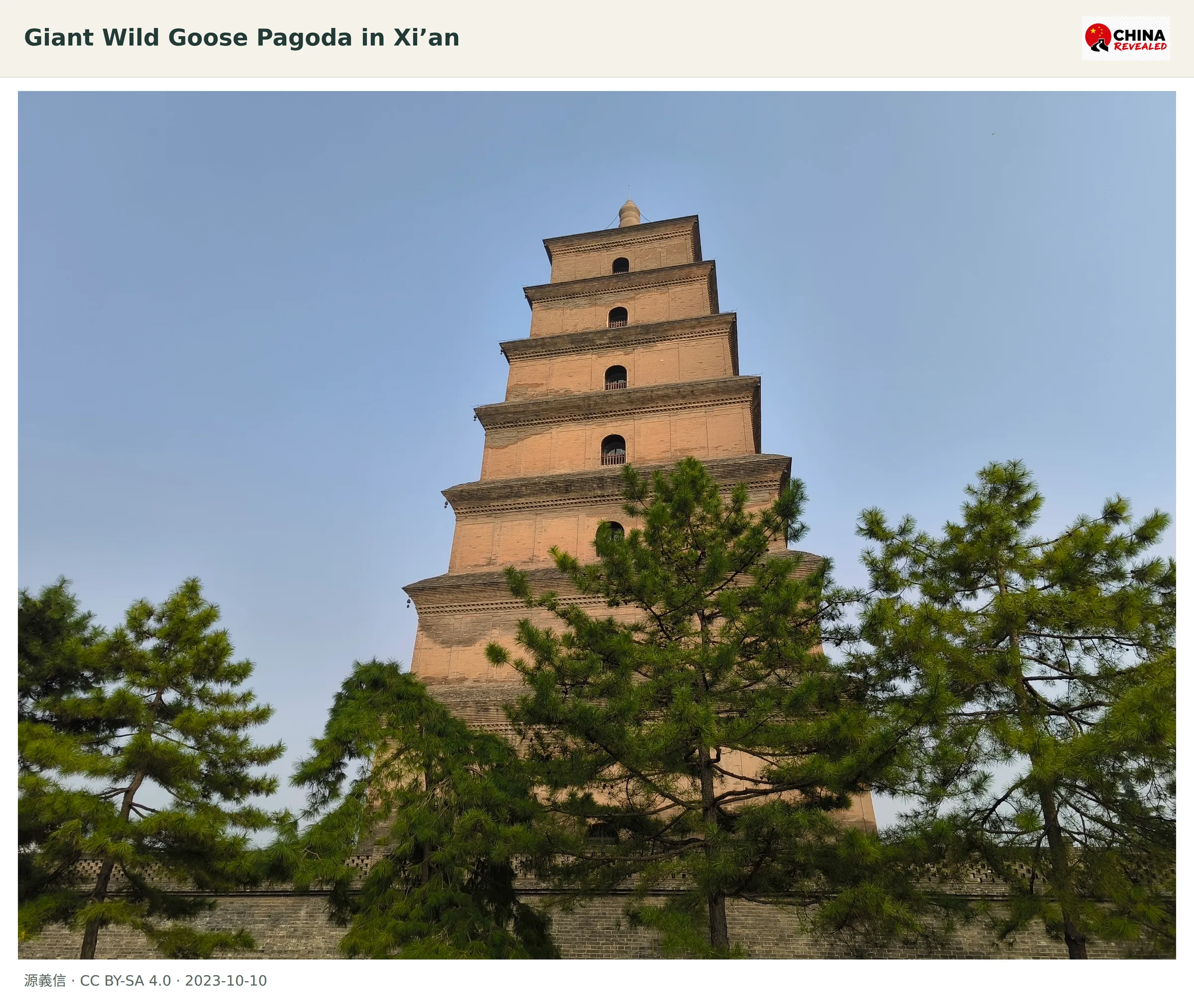
5. Giant Wild Goose Pagoda and Yanta. Treat the pagoda as a district, not an isolated tower. Da Ci’en Temple’s online basic admission is currently listed at ¥10 per adult; climbing the pagoda is a separate ticket, about ¥25–30; the South Square and surrounding evening avenues are free. Allow 1–1.5 hours for the temple and another 20 minutes if climbing. Metro Line 4 reaches Giant Wild Goose Pagoda station. Pair with the museum on one south-city day, or with an early dinner around Yanta; do not purchase several “Tang” attractions just because they are illuminated.

Xi’an transport, food and rooms
From Xianyang Airport to central Xi’an, Metro Line 14 plus an interchange is commonly 60–80 minutes and ¥8–10 per person; airport shuttle planning is about ¥25 per person; taxi is about ¥100–200 per car. From Xi’an North to Zhonglou, Line 2 is roughly 30 minutes and about ¥4 per person. To the Warriors, a shared taxi plans at ¥50–75 per person each way, depending on the car total and group size.
Use the City Wall day for a bowl near Beilin, the museum day for Xiaozhai, and a dedicated evening for Sajinqiao. A daily food allowance of ¥70–180 per person covers breakfast, casual street food and one traditional meal; a fuller dinner can be higher. For two sharing, rooms plan at ¥250–450 budget, ¥450–800 dependable mid-range and ¥800–1,500 upscale per night. Bell Tower is the all-round base; Lintong is practical only for a Warriors-focused overnight.
Chengdu
Three nights in Chengdu give the classic route a welcome change: a panda morning, a slow tea afternoon and evenings built around Sichuan food. The panda base is best early in the day; People’s Park deserves a slow afternoon; Wuhou Shrine and Jinli make a history-to-food pairing; Yulin or Kuixinglou keeps dinner from becoming only a tourist street. A comfortable three-night base is Chunxi Road, Tianfu Square or central Jinjiang, with Wuhou/Jinli useful when a guesthouse atmosphere is more important than central transfers.
Editor’s Top 5
1. Chengdu Research Base of Giant Panda Breeding. Reserve the official timed ticket, usually up to 14 days ahead, and bring the passport used in the order. Adult admission is ¥55. Go in the morning and allow four to five hours including walking; the base is not a ninety-minute photo stop. From Metro Line 3 Panda Avenue, use the official shuttle connection. From Chengdu East, a taxi plans around 25–30 minutes and ¥40 per car; from Shuangliu Airport, about ¥100 per car and 40–50 minutes; from Tianfu Airport, about ¥200 per car and 60–70 minutes. Do not buy an unofficial fast-track product.
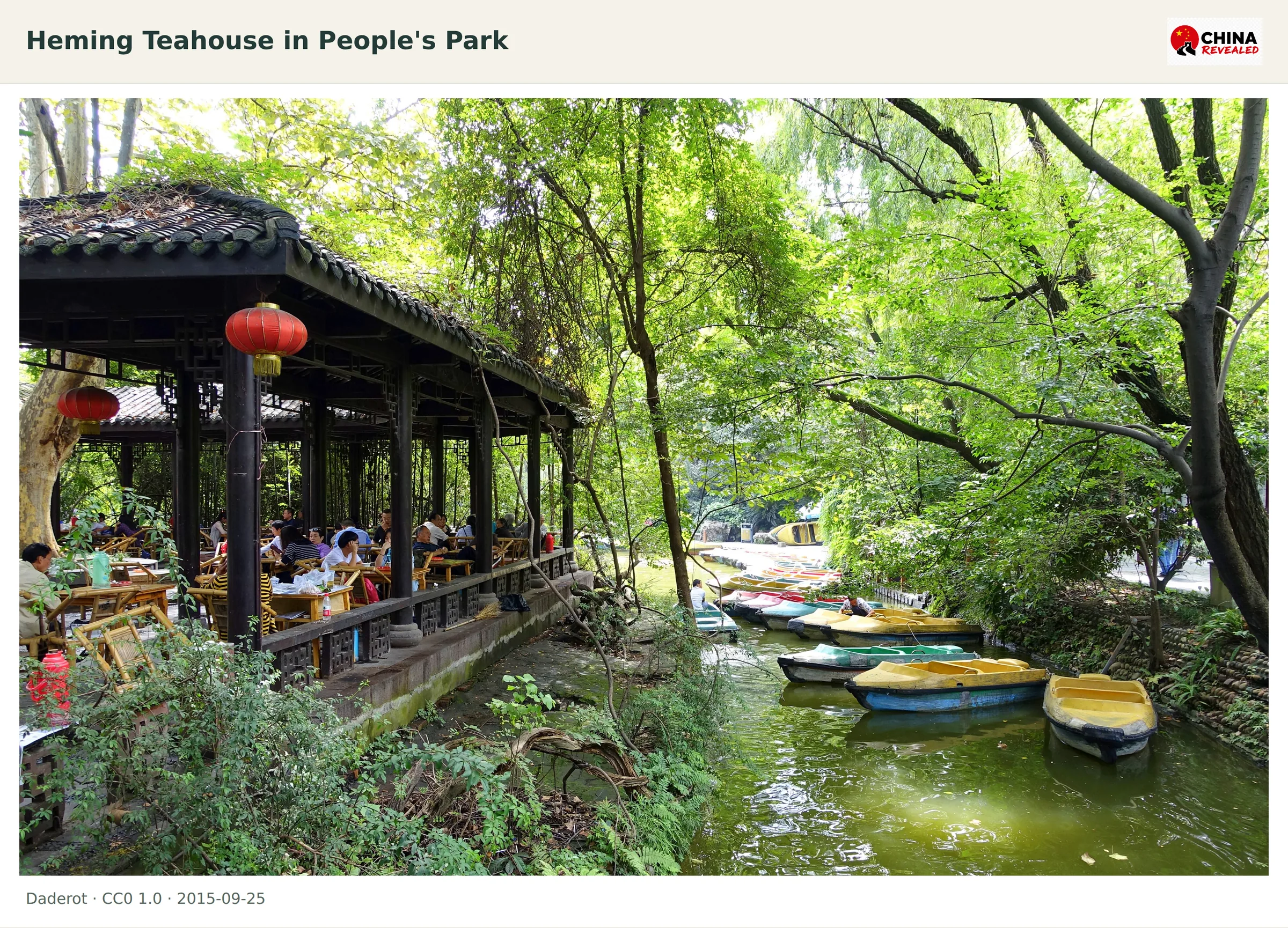
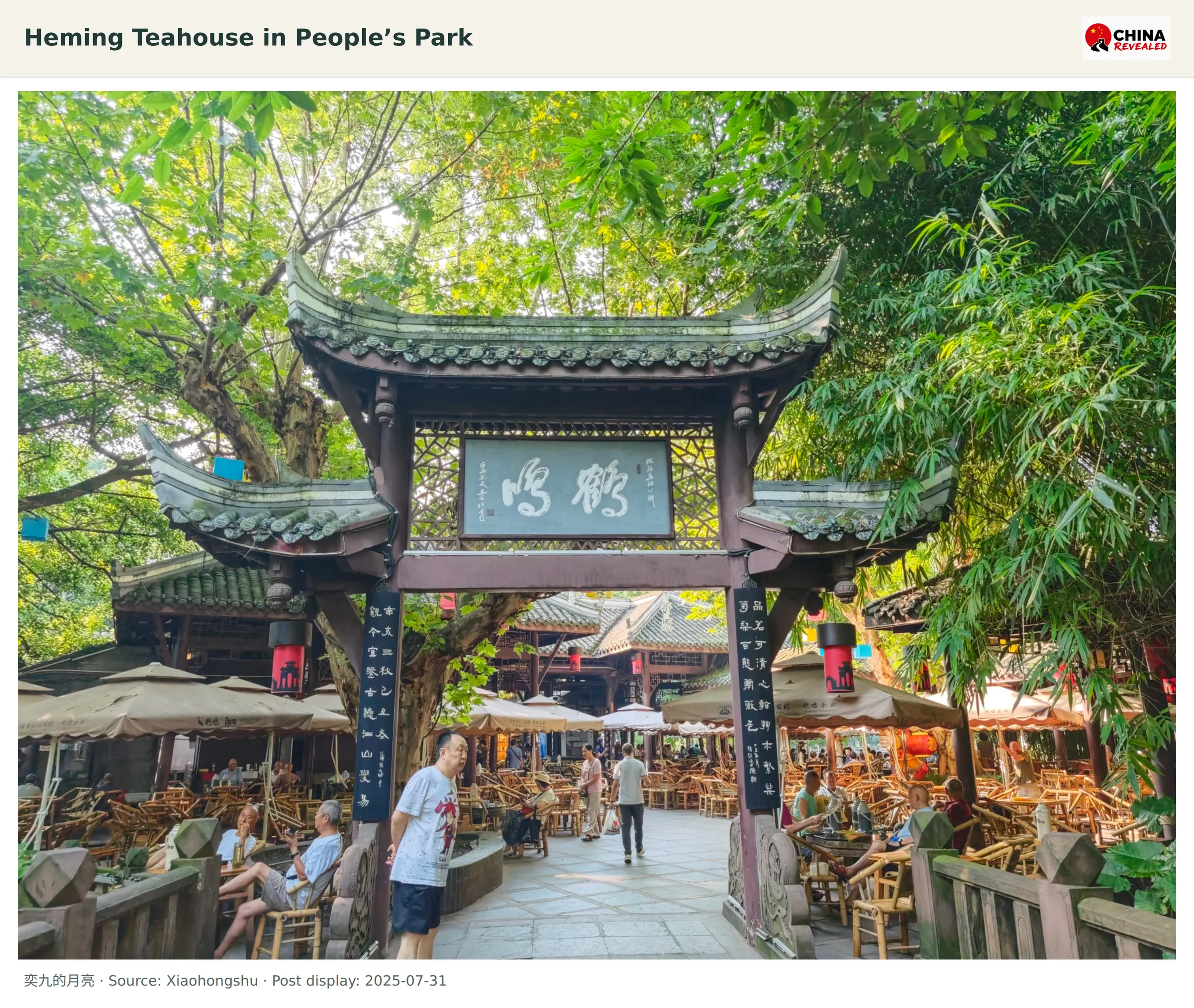
2. People’s Park and Heming Teahouse. The park is free. Walk around the lake, choose a visible table at Heming, order tea for roughly ¥15–30 per person, accept refills and stay two to three hours. Ear-cleaning is optional; agree the price first. This is a better use of a slow afternoon than a second small museum because it shows Chengdu’s public rhythm—card games, conversation, shade and people who are not performing a heritage scene for visitors.
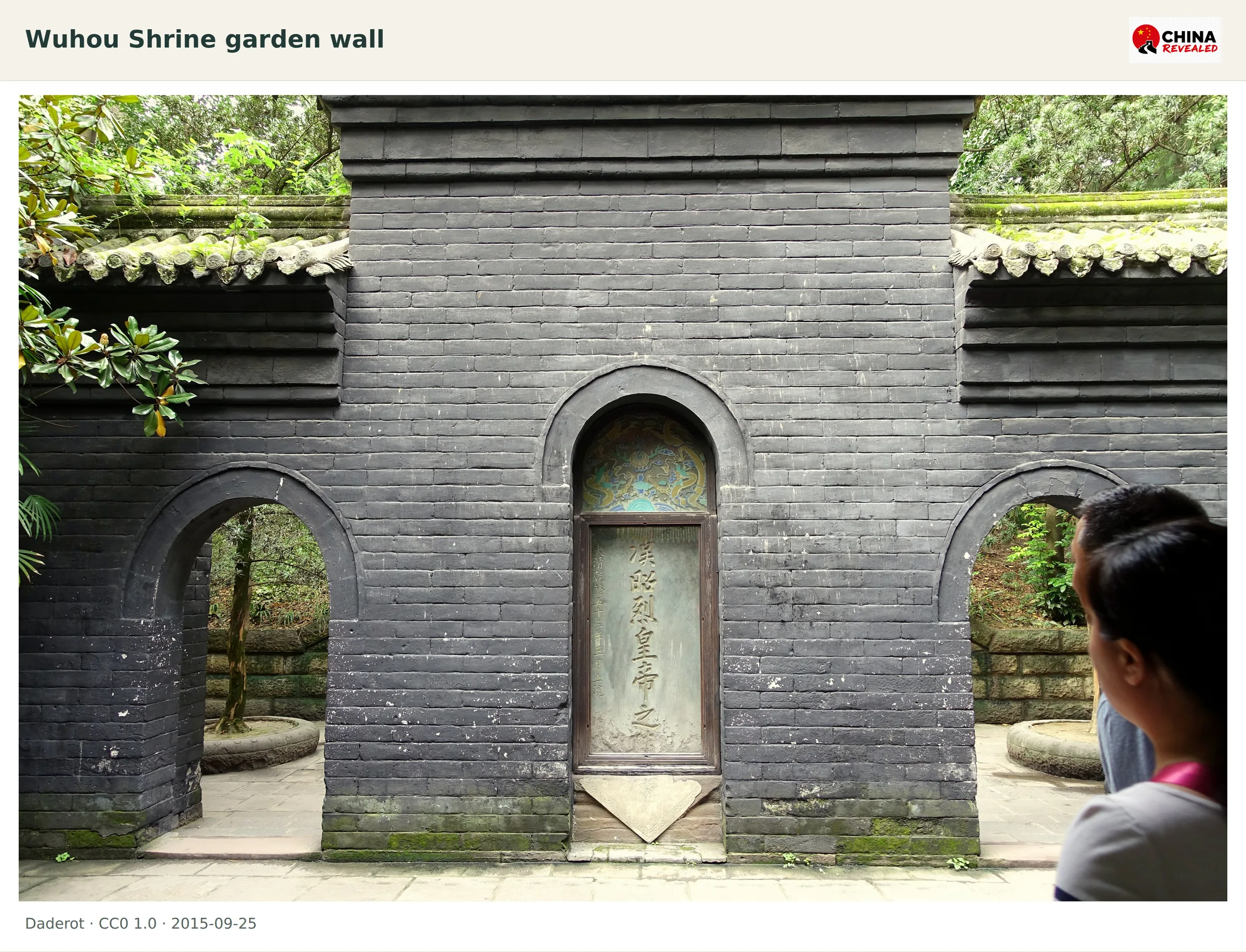
3. Wuhou Shrine to Jinli, then an everyday dinner. Wuhou Shrine’s adult admission is ¥50 and a two-to-three-hour visit covers the cypress shade, memorial halls and Three Kingdoms setting. Jinli is free to enter and works as a one-to-two-hour snack/atmosphere extension. Try a small serving of sweet-water noodles or red-oil wontons, then take a 15–25-minute ride to Yulin or Kuixinglou for dinner. This sequence matters: Jinli is a restored visitor street; Yulin is a better test of ordinary evening eating.

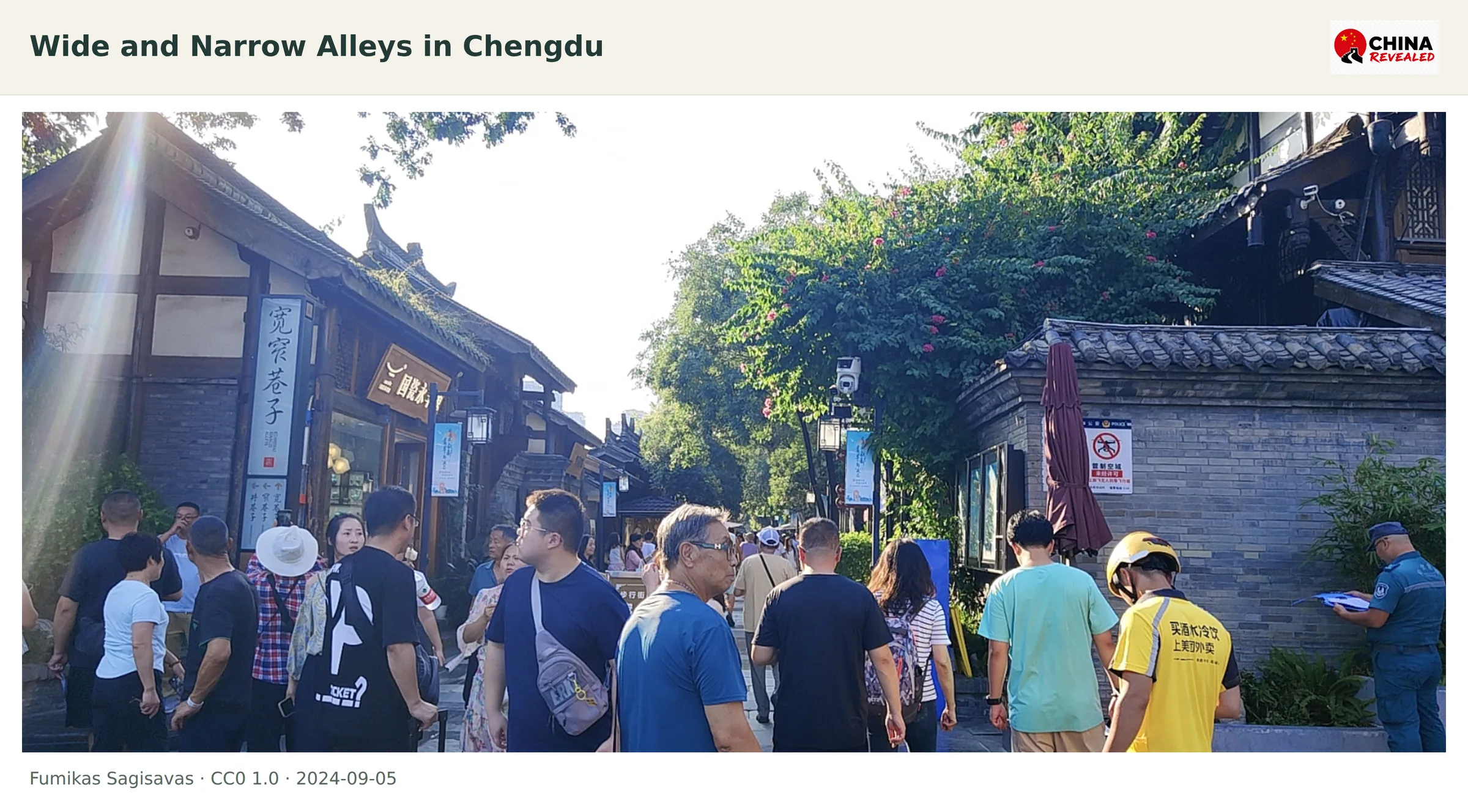
4. Kuanzhai Alley. The Wide and Narrow Alleys are free restored Qing-era lanes. Give them two to three hours late afternoon, including the side lanes and one tea/snack stop, but do not treat them as a compulsory shopping circuit. From People’s Park, use Line 2/4 or a short ride; Kuanzhai, People’s Park and Wuhou are connected by city transport, not by one continuous walk. The lanes feel most useful when you compare the restored façades with the everyday park and then eat elsewhere.

5. Leshan Giant Buddha as a full-day replacement. Choose Leshan only if the group is willing to replace a Chengdu city day. The planning choice is ¥80 per person for the mountain route or ¥70 for the daytime boat, not both by default. High-speed rail from Chengdu East or South to Leshan is about an hour and roughly ¥80–90 one way in second class, followed by 35–45 minutes to the scenic area. Plan 8–10 hours hotel-to-hotel. The cliff route is stair-heavy and intimate; the boat is a useful frontal view. Never stack Leshan after the panda base.
Chengdu food, transport and rooms
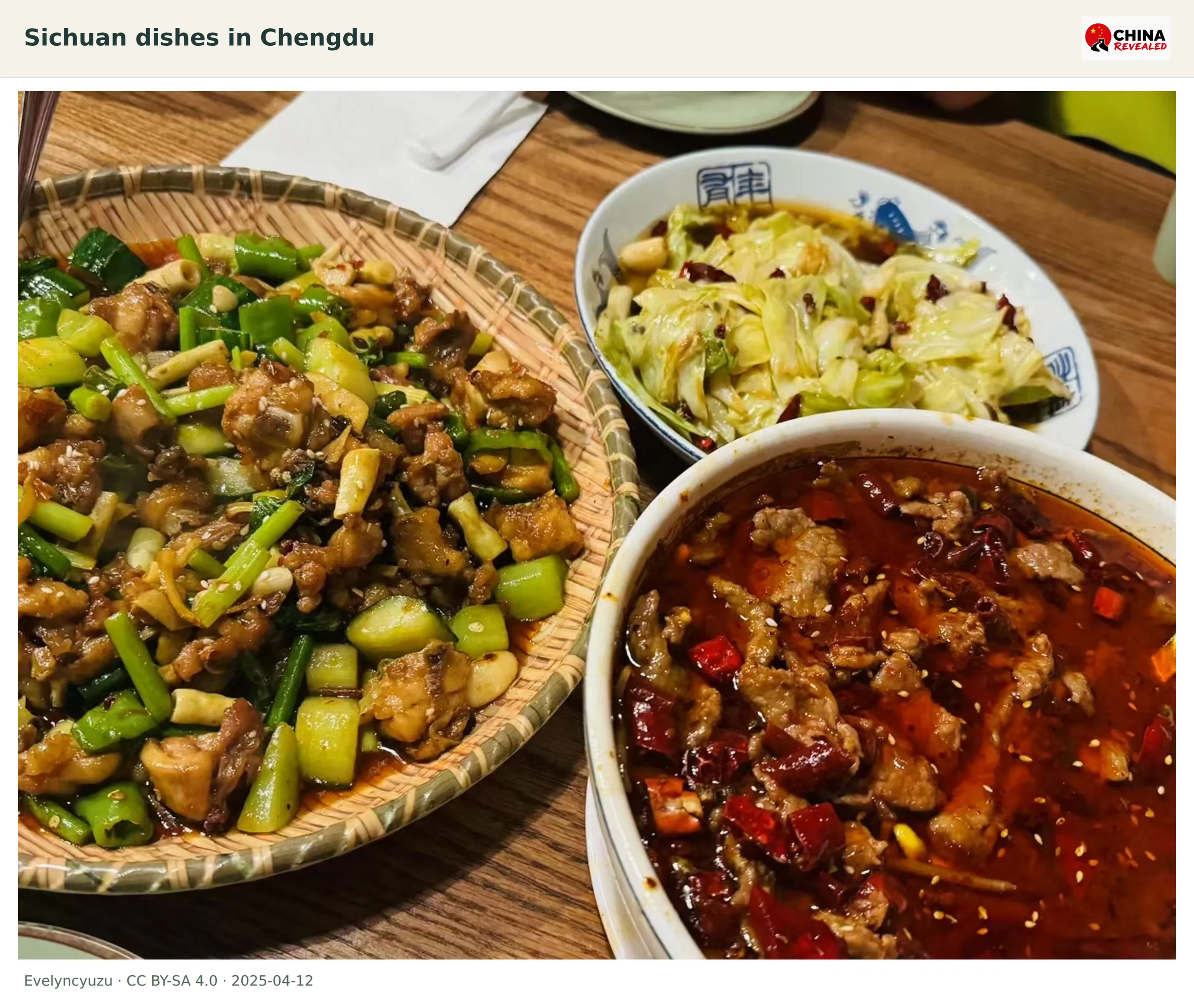
Make food the third anchor of each day. Dan dan noodles plan at ¥10–22, Zhong dumplings at ¥15–30, a casual local meal at ¥15–35, hotpot at ¥90–160 before alcohol, and Heming tea at ¥15–30. Start mildly if needed: Sichuan pepper’s numbing sensation is not the same as chilli heat. A day mixing breakfast, a casual lunch, tea and hotpot is often ¥140–250 per person before tickets.
CTU is Shuangliu and TFU is Tianfu; verify the code before booking. From CTU to central Chengdu, metro plans at ¥5–8 per person and 30–50 minutes; a car is roughly ¥60–100. For a comfortable room, plan ¥350–650 per night in central three- or four-star hotels; Wuhou/Jinli guesthouses can plan ¥150–280. Chengdu’s city day is deliberately lighter after the panda morning. Cut a second panda facility, Dujiangyan or a surprise mountain before cutting tea and a proper meal.
Shanghai
Shanghai’s most rewarding first-visit days connect the Bund’s old bank buildings and Pudong’s towers, a Ming garden behind a crowded bazaar, plane trees on Wukang Road, and the practical ¥2 ferry commuters use across the river. Stay around People’s Square/Huangpu for transport, Jing’an or the former French Concession for evening food, or the Bund/Old City edge for walking access. Lujiazui is modern and convenient but can feel corporate after dark.
Editor’s Top 5
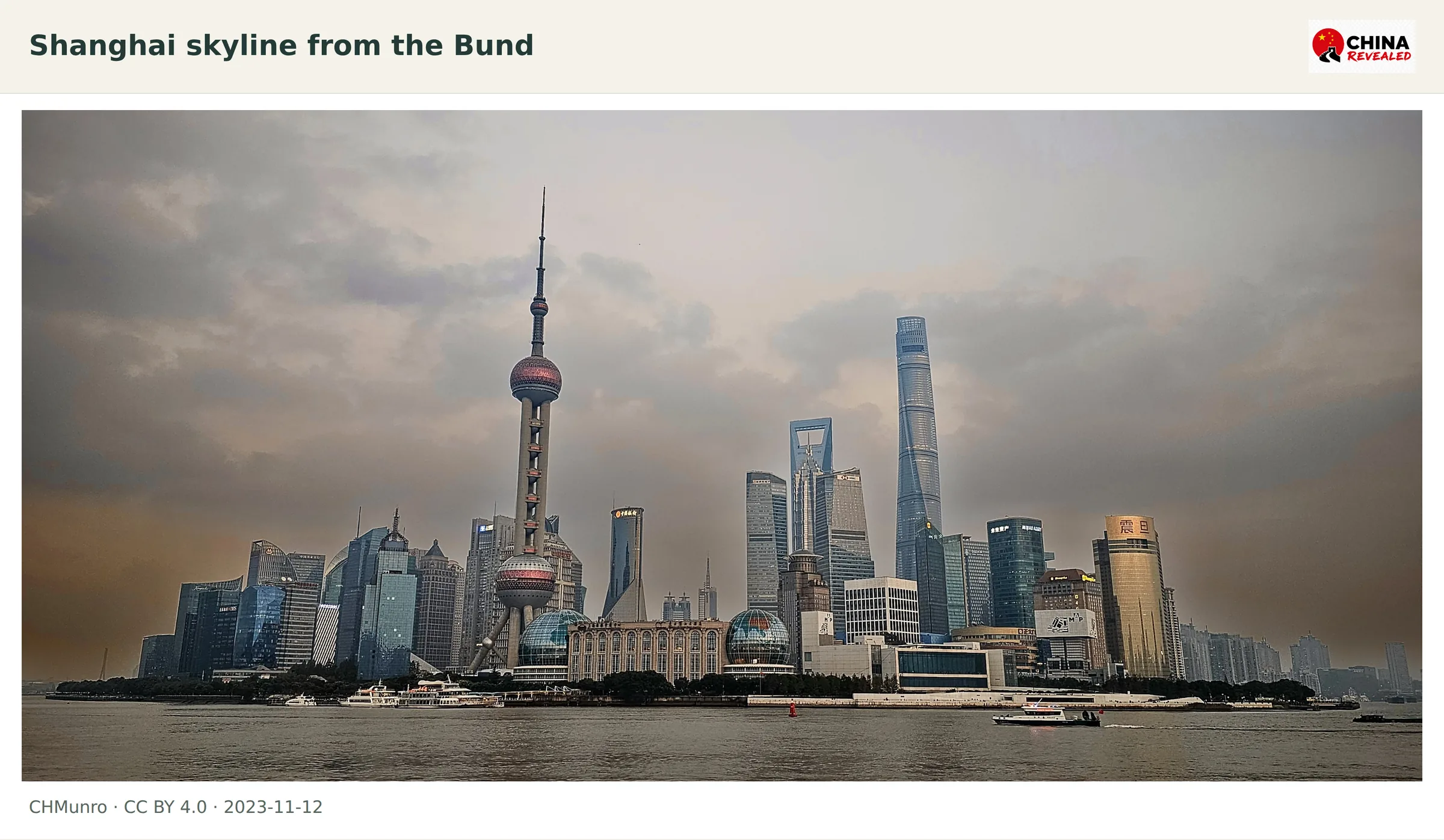
1. Bund and Pudong as one cross-river experience. Start at East Nanjing Road station, walk south along the 1.5-km riverfront, then go to East Jinling Road Ferry Pier and take the pedestrian Dongjin ferry to Dongchang Road when operating. The promenade is free; the regular ferry is ¥2 per person per crossing. Published daytime hours can change, so check the Shanghai Ferry WeChat account that day. From Dongchang Road, walk the Lujiazui riverfront and read the old bank from the opposite side. A formal cruise is an alternative—roughly ¥120 daytime or ¥150 nighttime in the cited municipal guidance—but do not stack ferry, cruise and an observation deck into one evening.
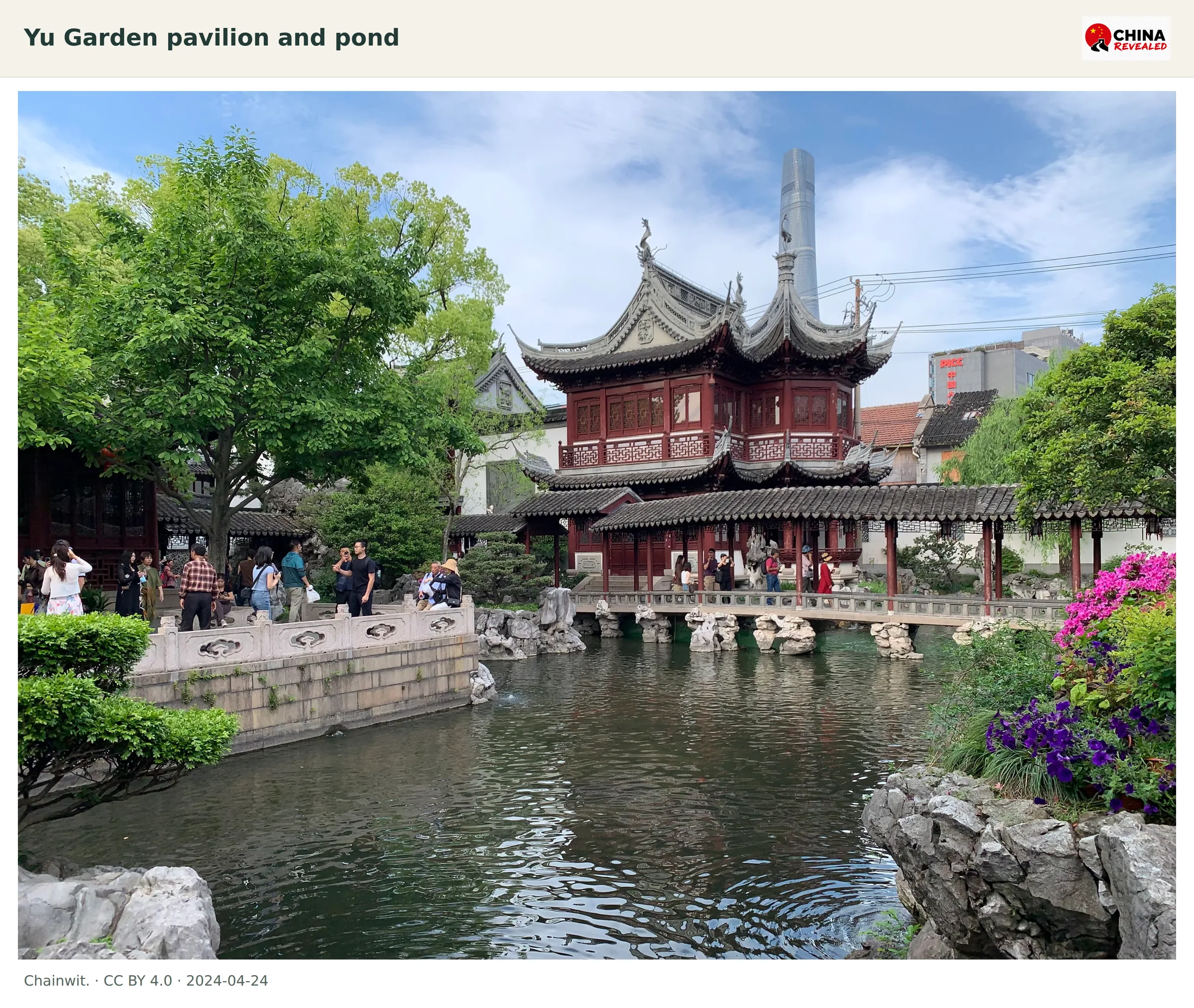
2. Yu Garden inside the old city. Yu Garden is the ticketed garden; Yuyuan Bazaar and the City God Temple lanes are the commercial surroundings. Take Line 10 to Yuyuan Garden or Line 14, enter near opening and allow about two hours inside plus 1–2 hours for tea, snacks and old-city walking. Adult daytime admission is planned at ¥30–40 depending on season; the separate night project, when operating, is a different ¥150–218 product. The garden’s rockeries, corridors and ponds reward slow attention. Do not describe a bazaar walk as having visited the garden if the garden gate was never crossed.

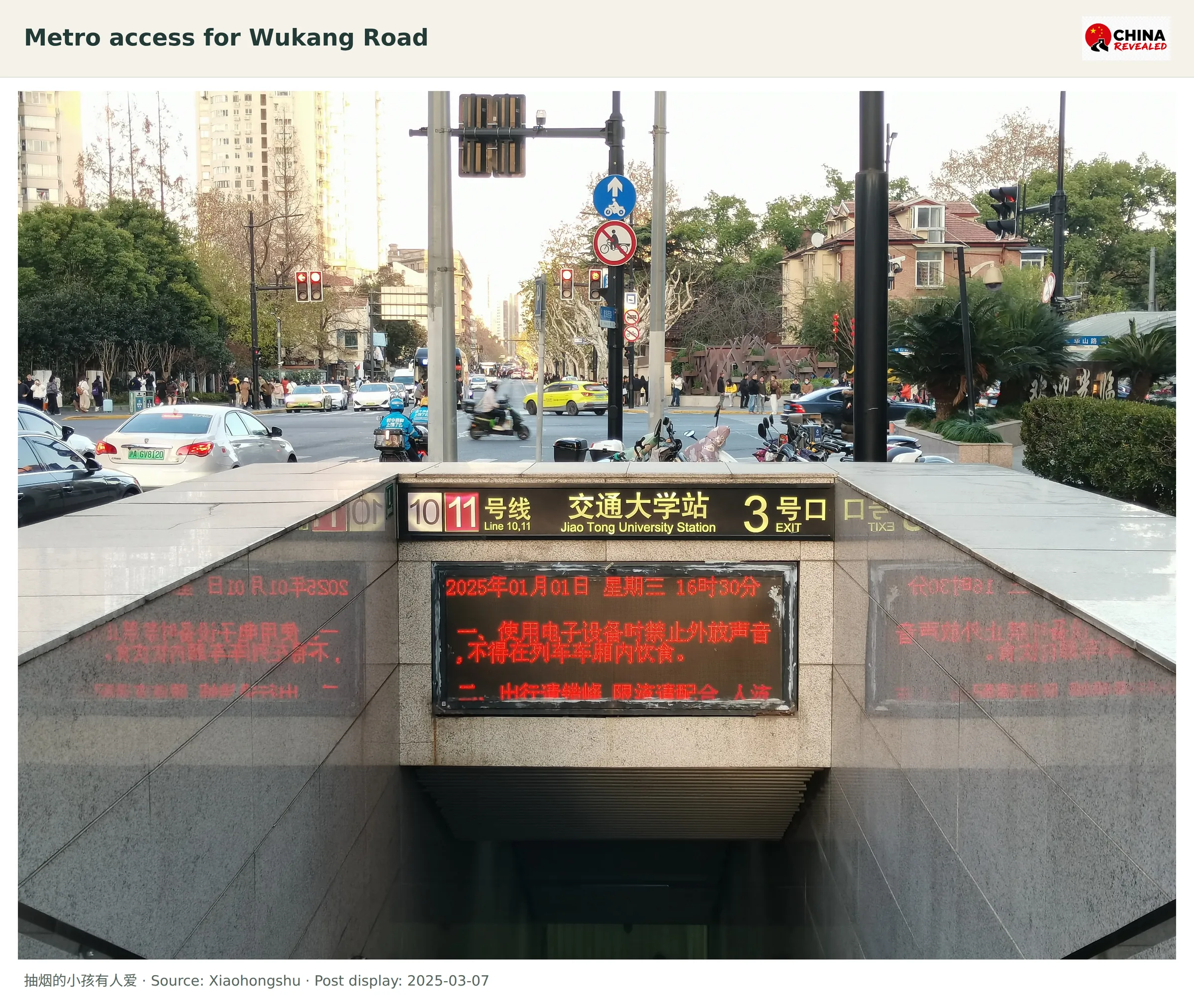
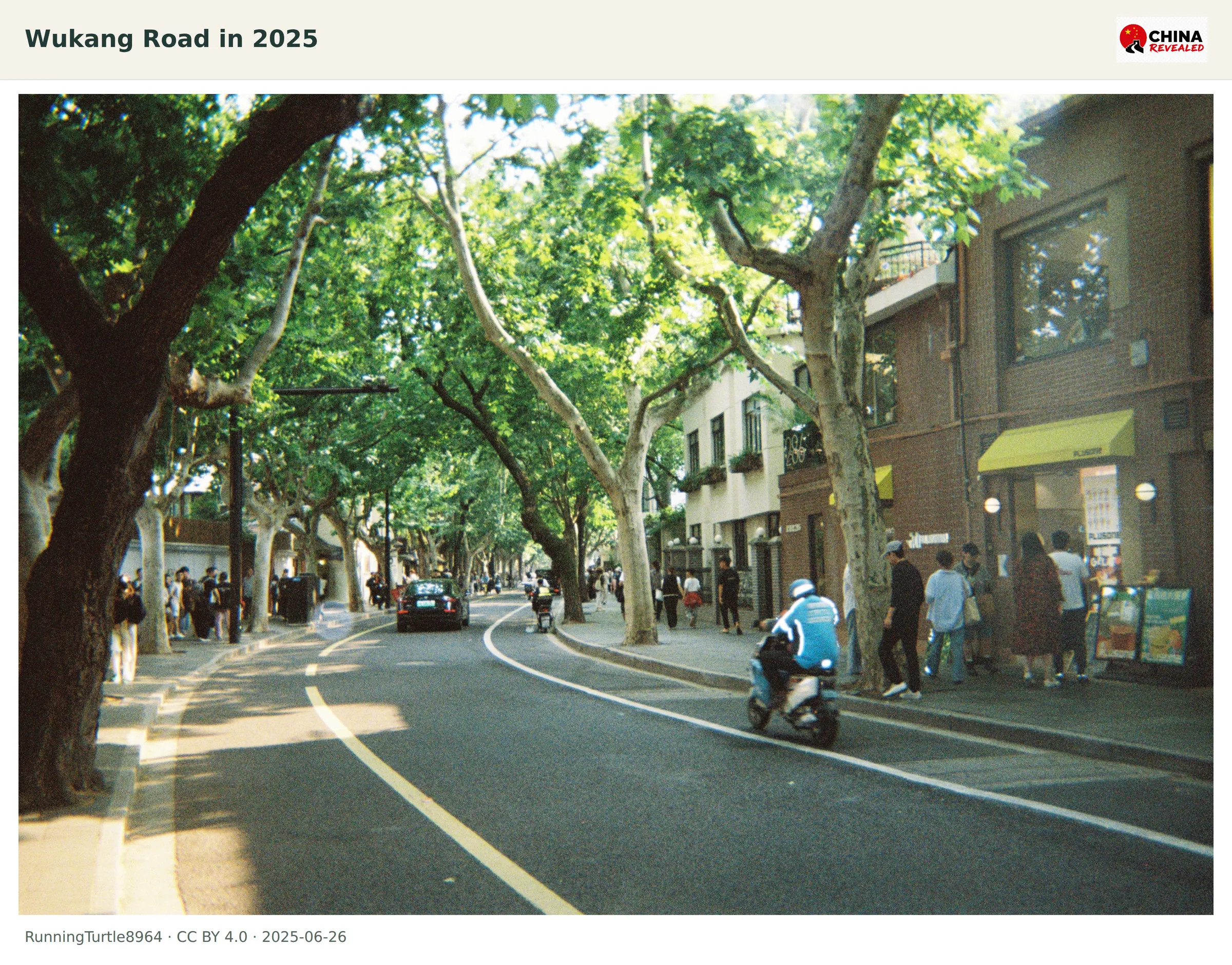
3. Wukang Road, Anfu Road and Fuxing Park. Take Lines 10 or 11 to Jiaotong University, walk 10–15 minutes to Wukang Road/Wukang Mansion, follow the plane trees toward Anfu Road, eat or drink there, then take a short taxi/metro hop to Fuxing Park. Allow 3–5 hours and stop for coffee or lunch. The streets and park are free. Keep voices low near residential entrances and do not turn apartment doors into photo sets. This is a lived-neighbourhood day, not a claim that three non-contiguous points are one continuous stroll.
4. Shanghai Museum. The People’s Square museum is a free indoor anchor under the current general-collection arrangement; special exhibitions and guided services may be separate. Allow 2–3 hours, and check the official hours/closure day. Pair it with Huanghe Road soup dumplings or a walk to Nanjing East Road. The East Branch in Pudong is a separate choice with its own hours. The museum is not a filler: it gives vocabulary to the bronzes, ceramics and painting details seen in other cities.
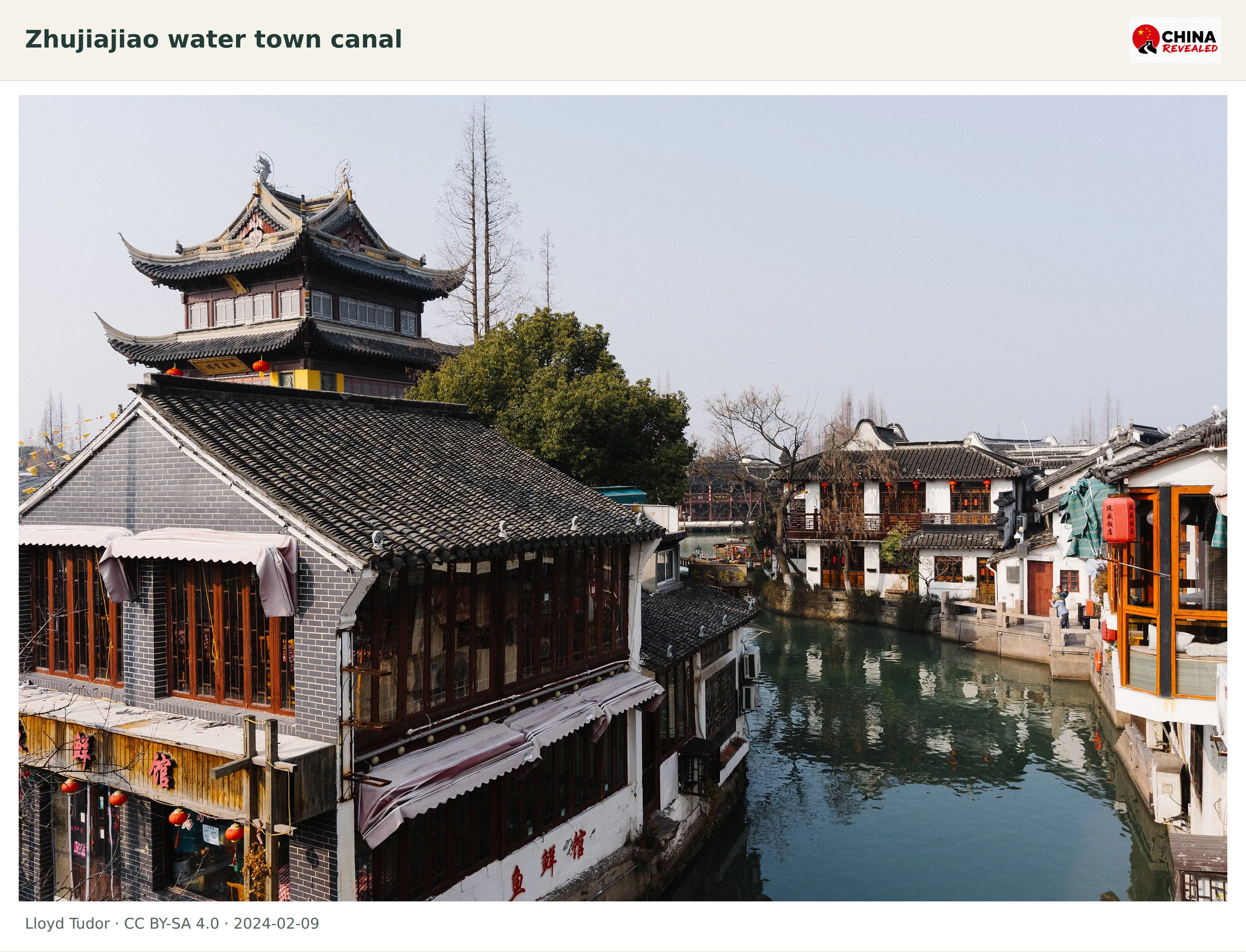
5. Choose Zhujiajiao or Disneyland. Zhujiajiao fits a traveller who wants canals, bridges and Jiangnan texture. Use Line 2 then Line 17 and plan 70–90 minutes each way, with a 6–8-hour day. The official joint scenic ticket is ¥60; hand boats are ¥200 or ¥300 per boat for up to six, with a return-to-dock supplement of ¥100; a direct electric boat is ¥40 per person. The lanes themselves do not require that joint product. Disneyland is a deliberate 9–12-hour theme-park day; the official page displays one-day admission from ¥499 per adult with date tiers. Add Premier Access, meals and souvenirs only if wanted. With three Shanghai nights, do not stack both.

Shanghai food, transport and rooms
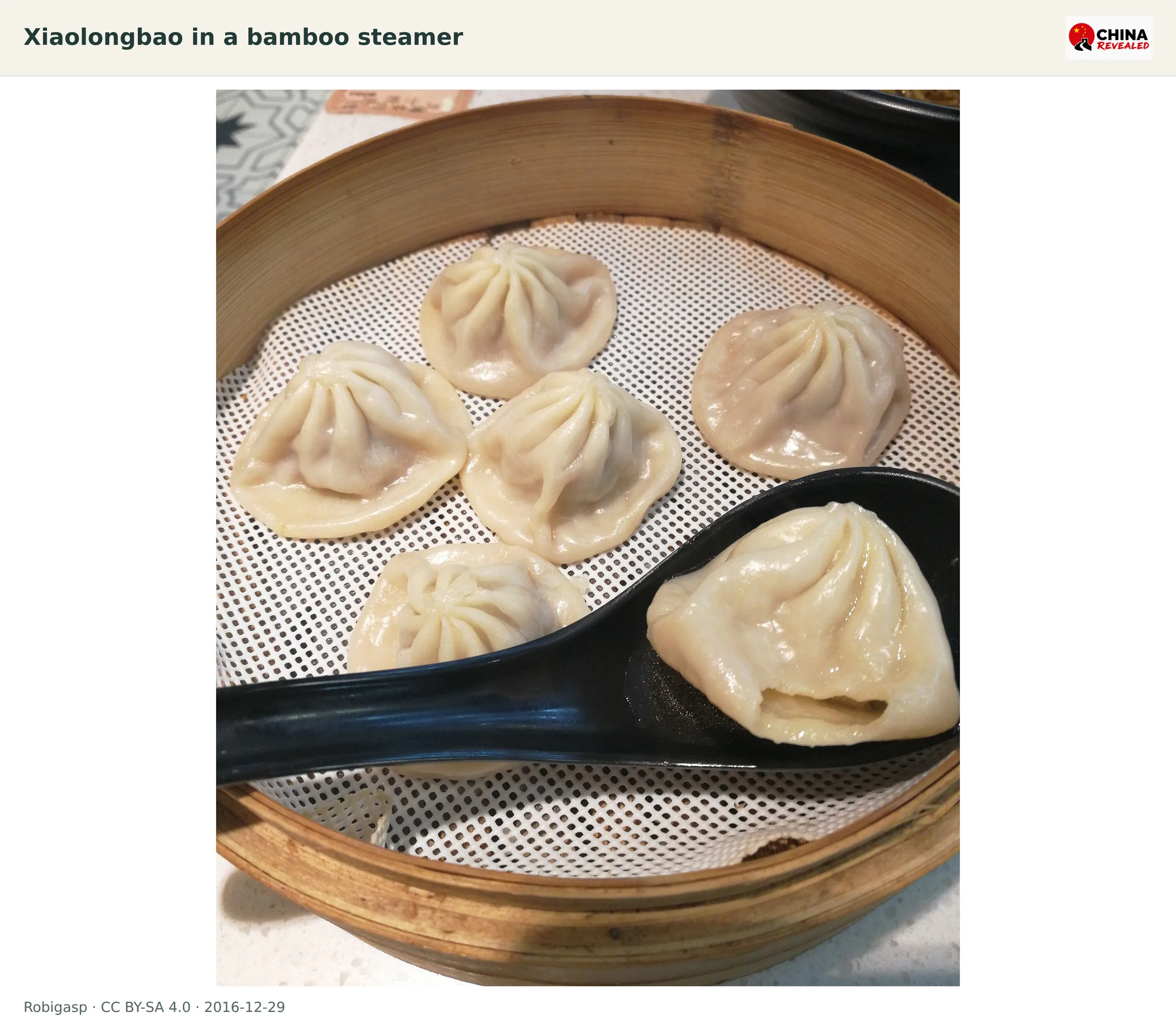
For xiaolongbao, order a basket (“long”), move one onto a spoon, pierce or bite the top to release steam, and let the soup cool before eating. Planning is ¥25–70 per person for a dumpling meal; inexpensive pork baskets may be ¥13–23 and crab-and-pork more, but menus vary. Shengjian with soy milk or congee plans at ¥15–35 for breakfast. Noodles or a simple local lunch are ¥30–70; a shared-dish Shanghainese dinner is roughly ¥100–180 before alcohol.
Rooms plan at ¥300–500 simple, ¥500–900 comfortable central, and ¥900–1,500+ boutique/international or river-view per room per night. PVG to People’s Square by Metro Line 2 is about 60–70 minutes and ¥7–9 per person; Maglev is ¥50 single or ¥40 with the same-day air-ticket discount, plus the local connection. SHA to the centre is about 30–40 minutes by Line 2. The Airport Link between PVG and Hongqiao is about ¥26 for the full journey. People’s Square to Zhujiajiao is roughly ¥8–10 each way in metro fares; Disney is about ¥6–8. Always distinguish Hongqiao Railway Station from Hongqiao Airport.
Guilin and Yangshuo
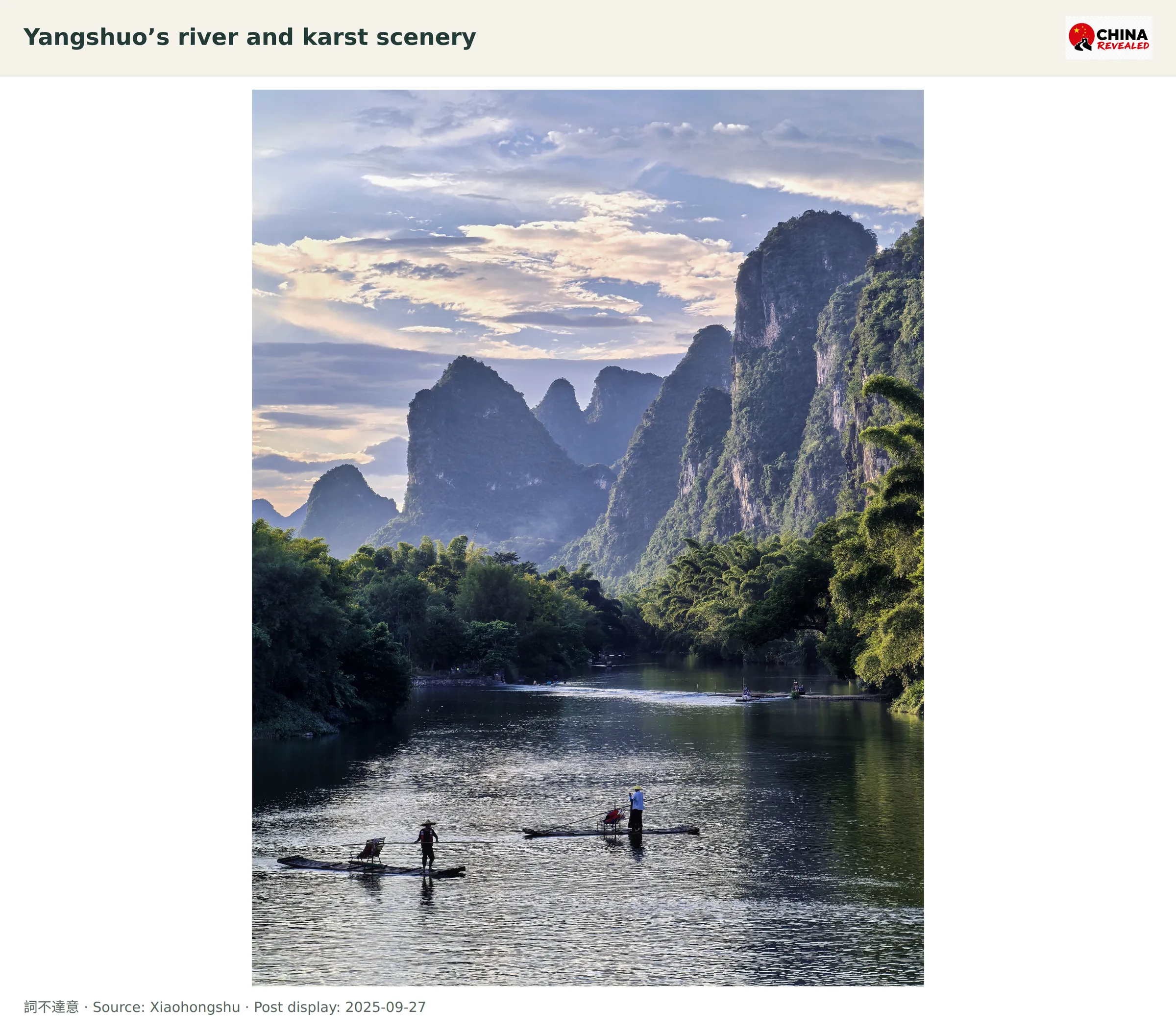
Yangshuo is a three-night nature base, not a decorative stop between Guilin and a flight. The central decision is which river experience fits the night plan. The classic Guilin-to-Yangshuo cruise leaves Guilin’s Zhujiang or Mopan Hill passenger terminal, not a Yangshuo hotel. If you sleep in Yangshuo, use Xingping’s short official cruise or Yulong; if the classic cruise is non-negotiable, redesign the overnight around Guilin.
Editor’s Top 5
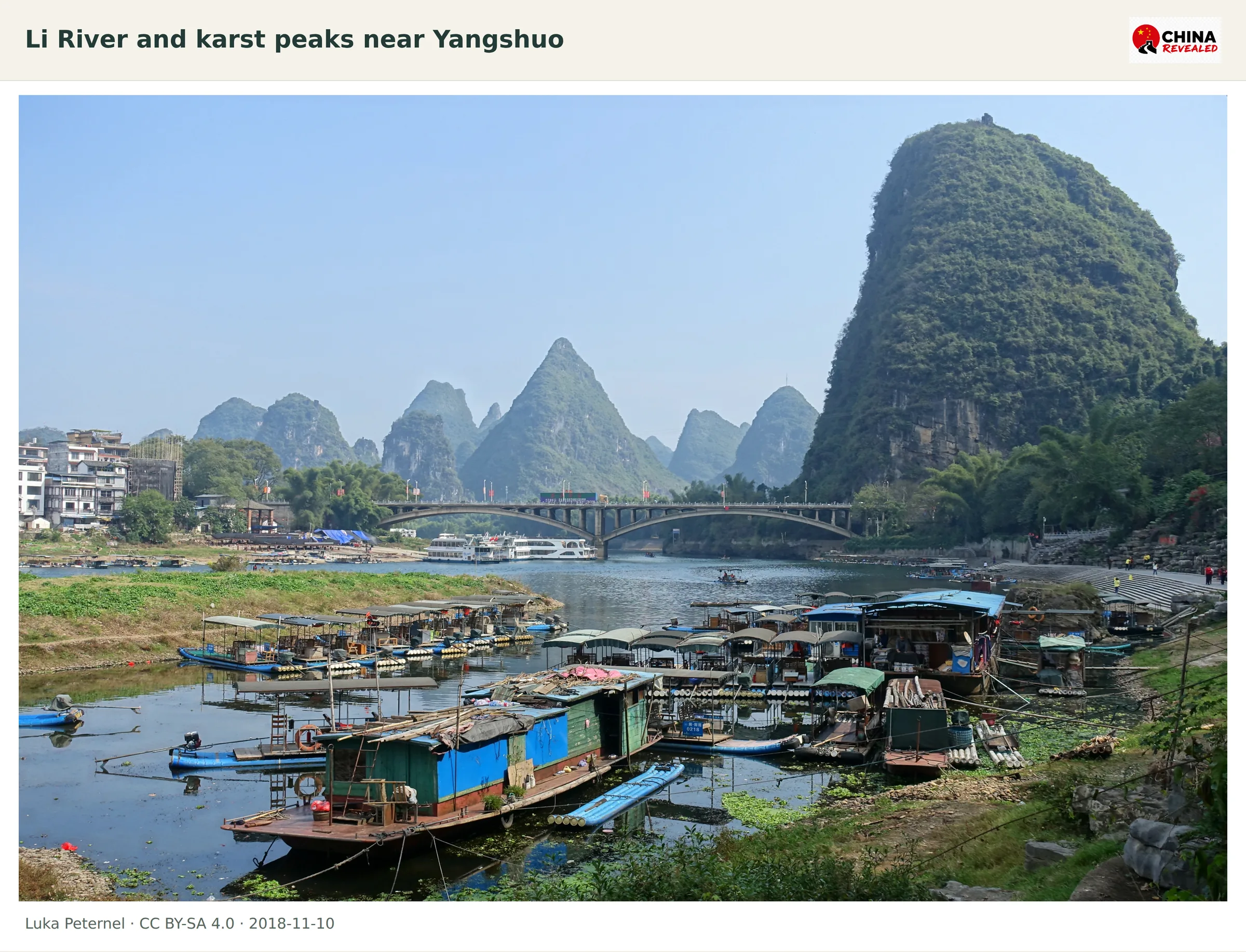
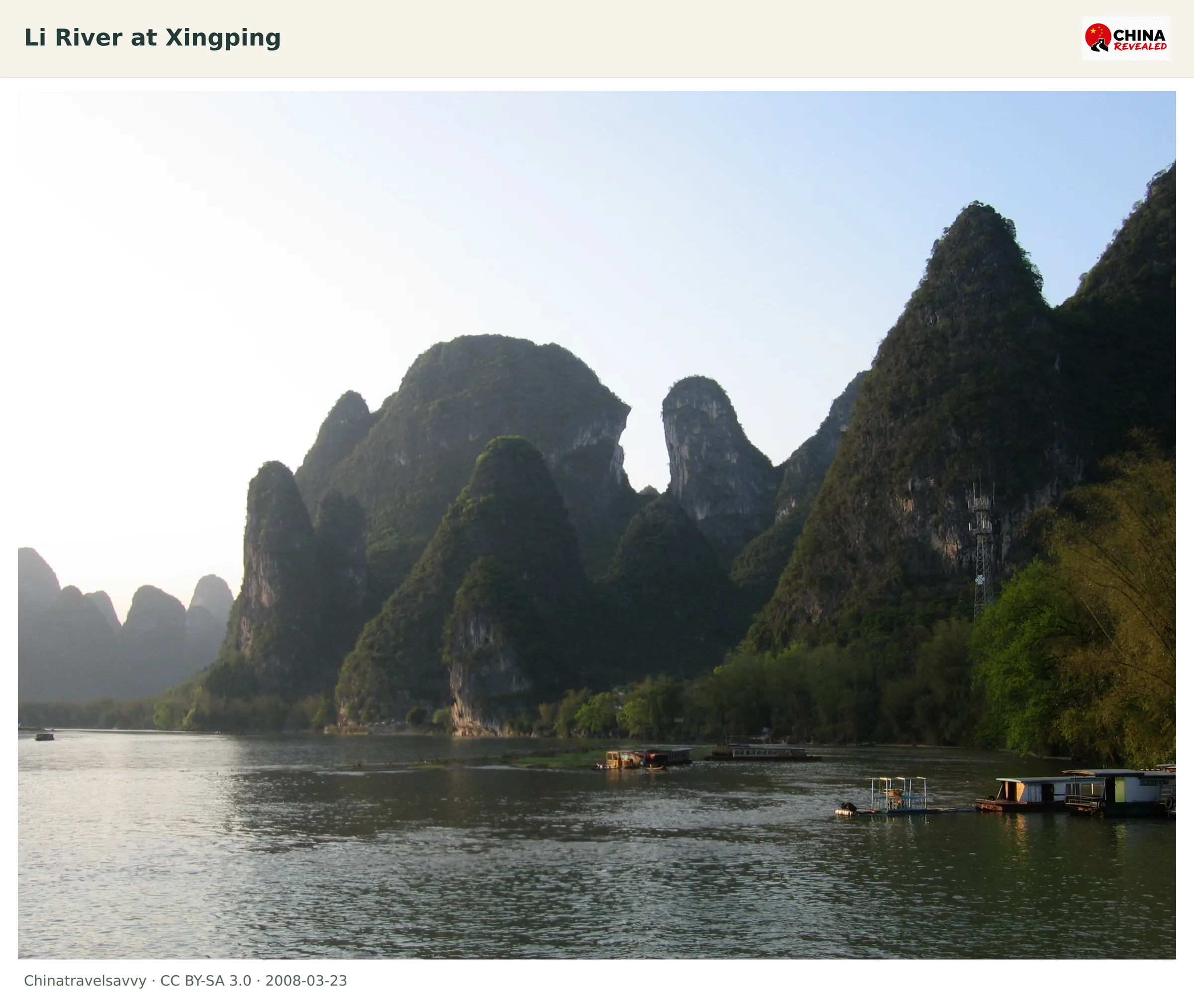
1. Xingping and the Li River bend. Take the morning bus from Yangshuo to Xingping, walk the old town and use the official Fisher Village round-trip cruise if a short water experience is enough. The current price is ¥115 per adult per trip—¥30 scenic admission plus ¥85 boat—and it is not the four-hour Guilin cruise. The bus is about ¥8 and 30 minutes. Allow 4–6 hours including the walk, queue and lunch. Stay long enough to see the scale change from town to farmland; the 20-yuan-note association is a visual cue, not the whole experience.

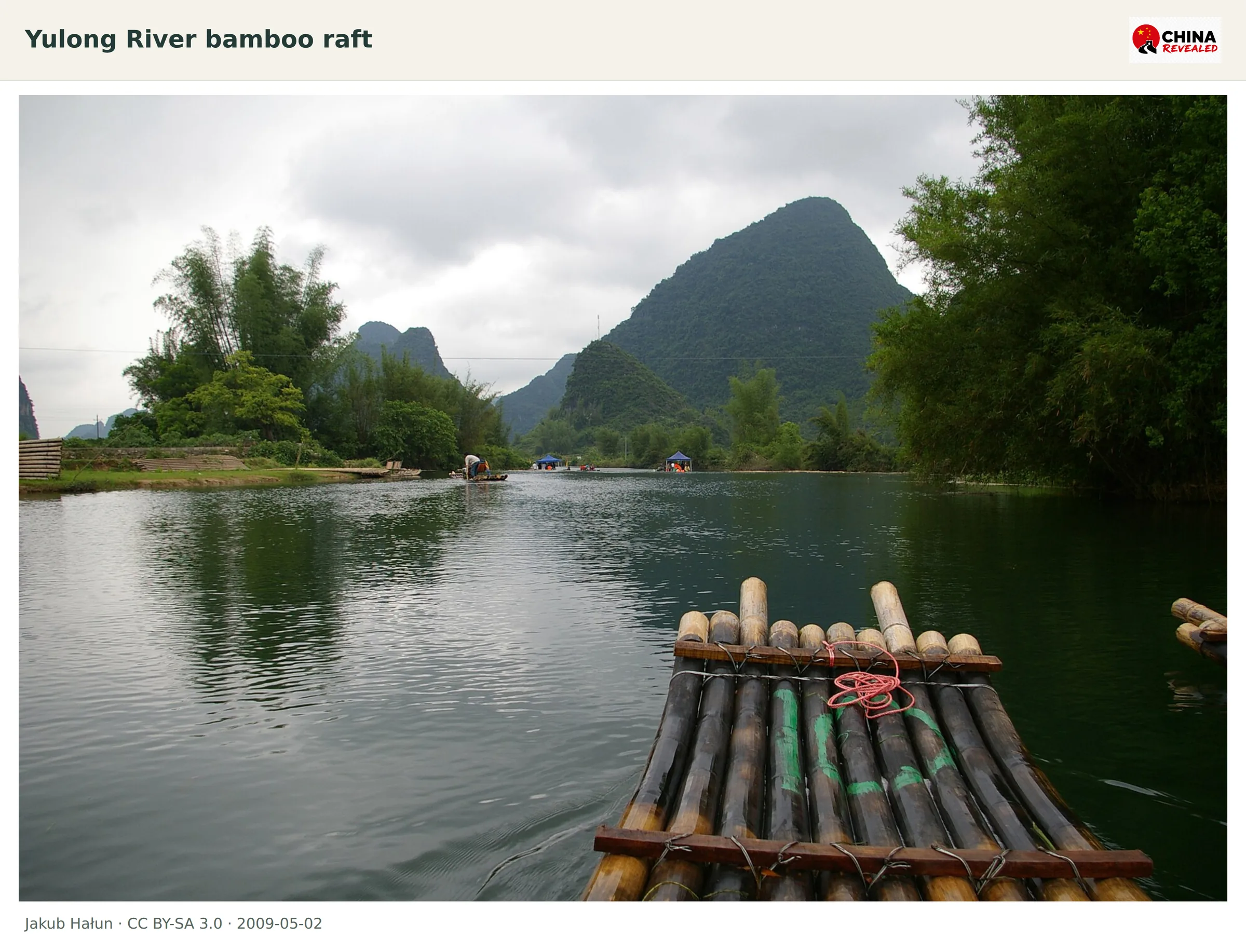
2. Yulong bamboo rafting. Use the official mini-program for the live route, wharf, capacity and price. Practical 2026 guidance reports about ¥200 per raft for a 40-minute/3-km route or ¥320 per raft for an 80–90-minute route. These are per raft, not per adult: two adults sharing plans at ¥100 or ¥160 each; a solo visitor may still pay the raft total. Allow 3–4 hours door to door, wear quick-drying clothes and protect passports and phones. Rafting is a product with a route, not a universal adult admission.

3. Ten-Mile Gallery by bicycle or e-bike. The public corridor is free. Rent a bicycle for roughly ¥5–10 per day or an e-bike for ¥80–120 per day, and allow 4–6 hours with a simple lunch. Moon Hill is a separate ¥26 adult ticket and a 1–2-hour climb. The corridor’s value is rice fields, village lanes, bridges and changing views, not a race to every paid photo point. Do not combine distant Jinlong Bridge, Xingping and the full Gallery in one day.
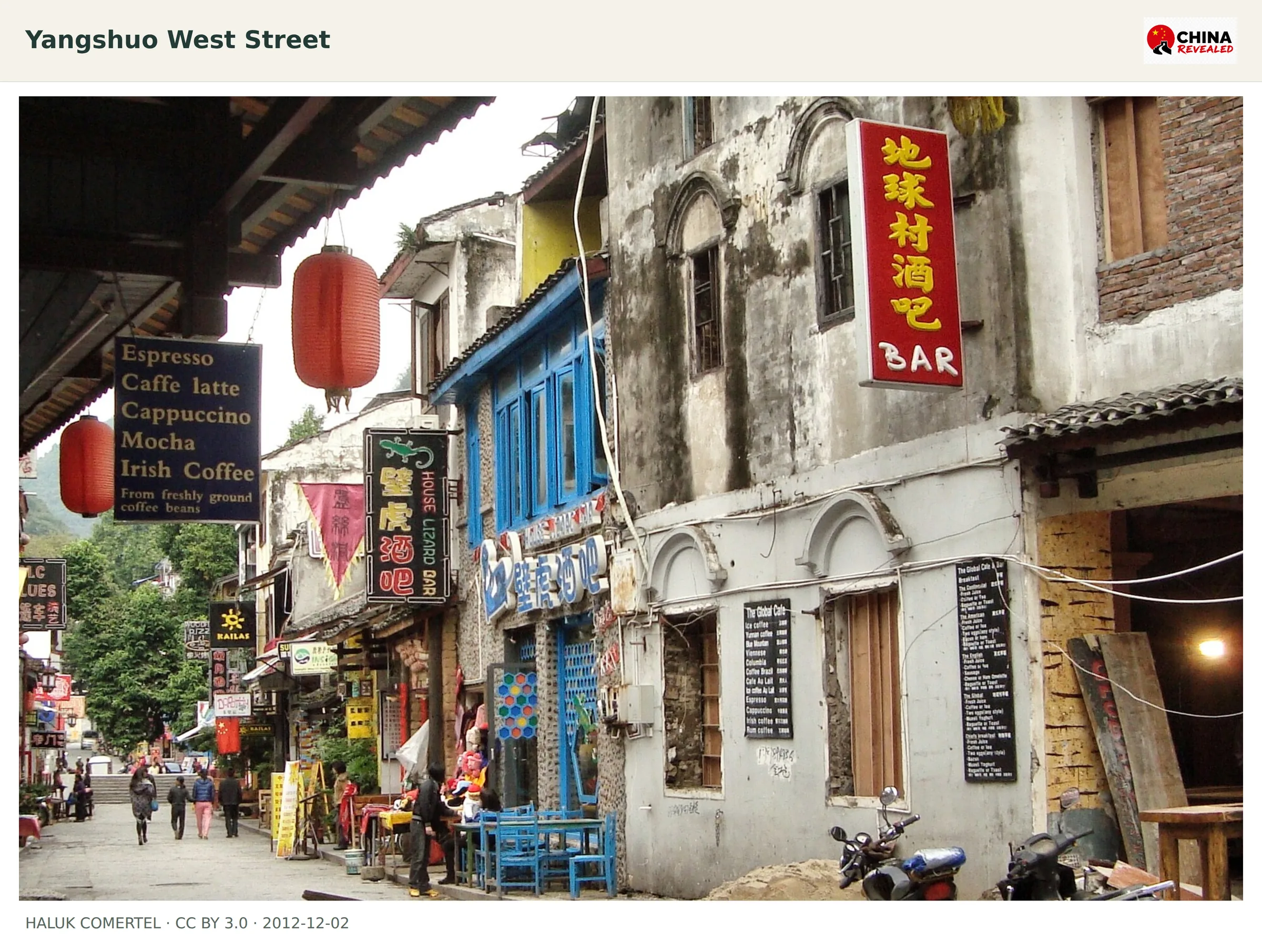
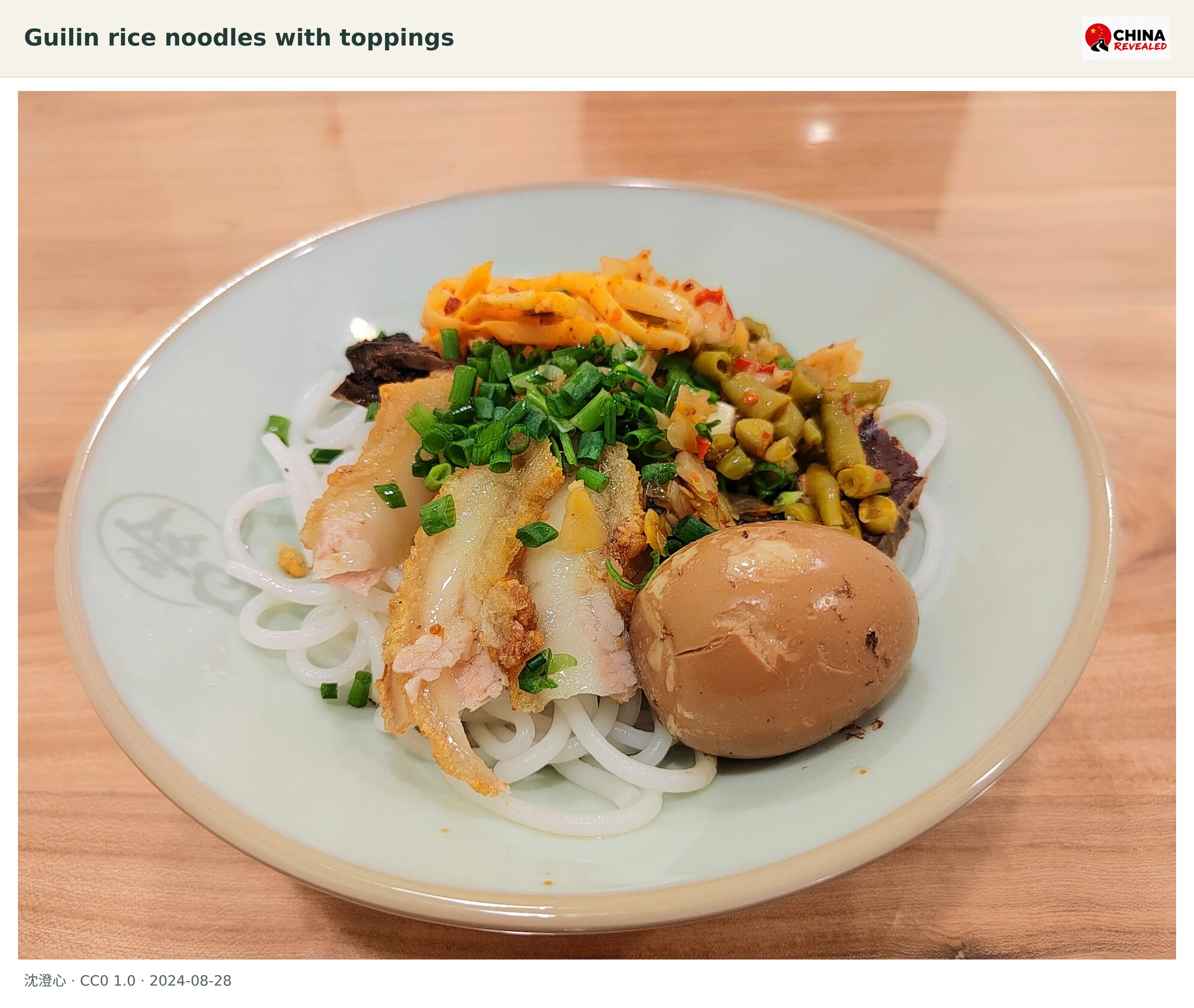
4. West Street plus a local food circuit. West Street is free and useful as the walkable town centre, not just nightlife. Give it 2–3 hours from late afternoon into dinner, walk toward the river and look for a small noodle shop or a riverfront dinner rather than committing to the first large set-menu restaurant. Start with Guilin rice noodles at ¥10–20 per person. Order beer fish by weight after confirming the price; a shared dinner plans ¥60–120 per person for fish and sides, plus ¥20–40 for beer/small dishes. A normal everyday meal is ¥30–60.

5. Impression Liu Sanjie, optional after-dark scale. The outdoor 70-minute show uses the river and illuminated karst peaks as stage. Current booking displays start from ¥332 per adult, with seating tiers and weather terms to check. Treat it as a 2.5–3-hour evening block including arrival and return. It is coherent after a local Yangshuo day, but cut it before cutting the river, countryside and a real meal when the itinerary is transfer-heavy.
Yangshuo transport and rooms
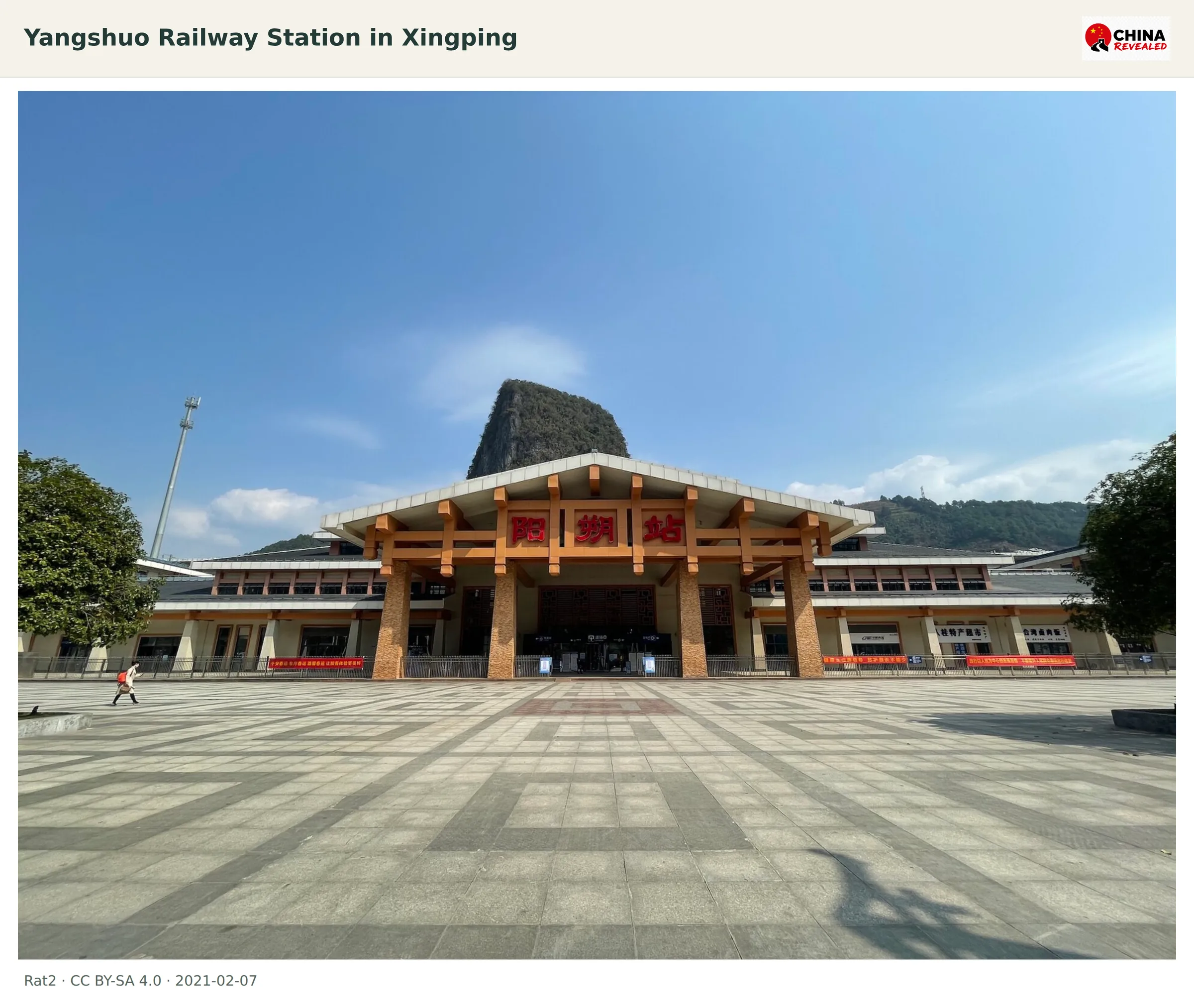
From Guilin Liangjiang Airport to Yangshuo Bus Station, plan about 90 minutes and ¥50–60 per person by published shuttle; a direct car is roughly ¥260–400 per vehicle plus about ¥30 toll. Yangshuo Railway Station is in Xingping, around 22 km from Yangshuo town; the station-to-town shuttle is about ¥20 per person and takes around an hour to Fengming Tourist Transportation Center, followed by a local bus or short ride to West Street. For a hotel car, obtain the total vehicle price directly; the ¥50–60 figure often quoted for a trip to Yulong River is not a reliable station transfer fare. West Street/riverfront rooms plan at ¥280–650 per room per night; Yulong/Ten-Mile Gallery at ¥400–1,200; Xingping at ¥220–550. These are editorial planning bands, not quotations. One Yangshuo base is the cleanest three-night pattern: arrive and eat, Xingping day, then Yulong/Gallery day with the show optional.

Zhangjiajie
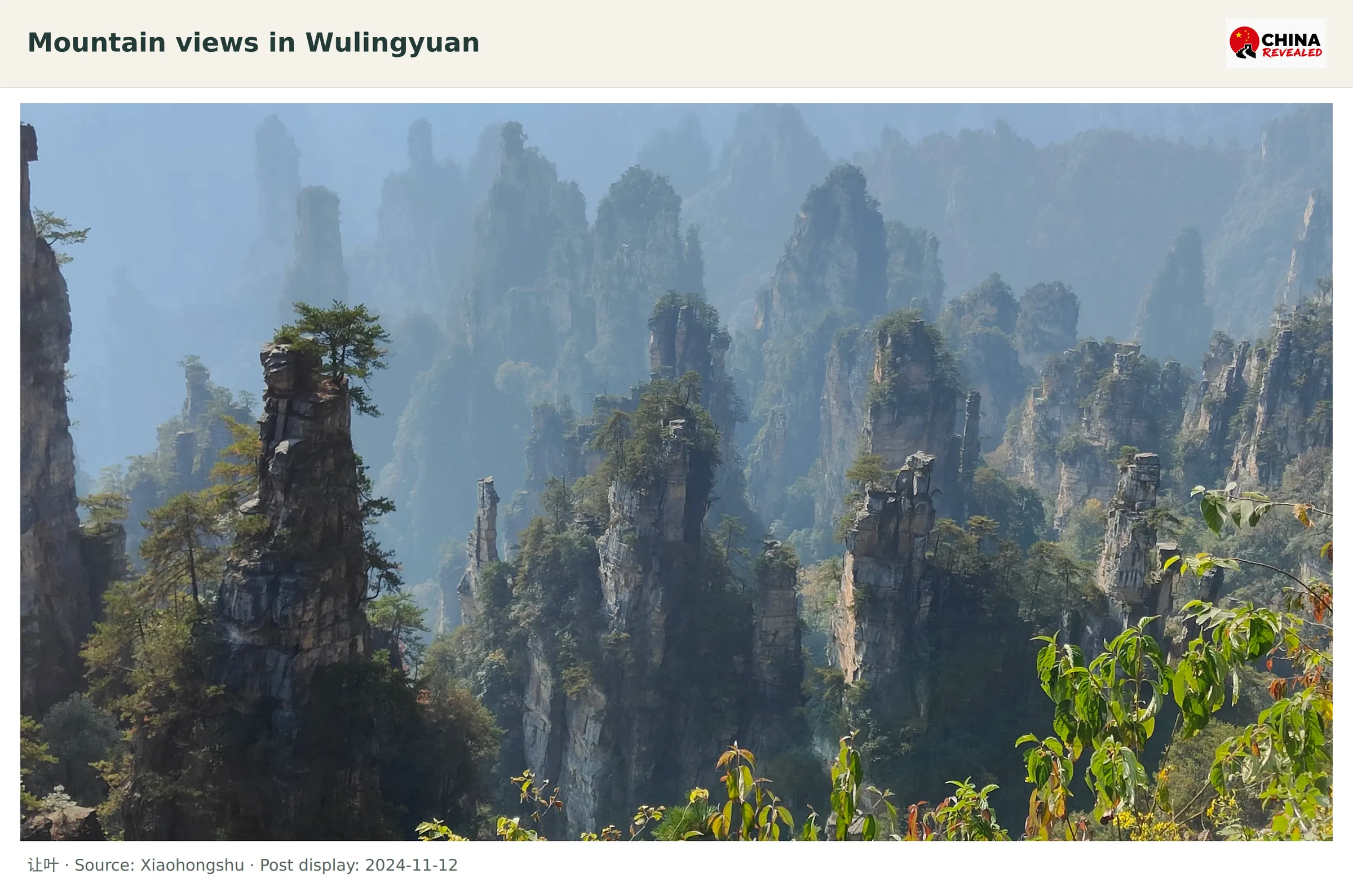
Zhangjiajie needs a map before it needs a ticket. Sleep in Wulingyuan for the forest days and in Zhangjiajie city only when Tianmen Mountain or an early flight makes the move worthwhile. The five-night version used here is Beijing 4, Zhangjiajie 5 and Shanghai 4: 13 nights over 14 days. It is longer than simply swapping one Chengdu day because weather, queues and the two bases are real constraints.
Editor’s Top 5
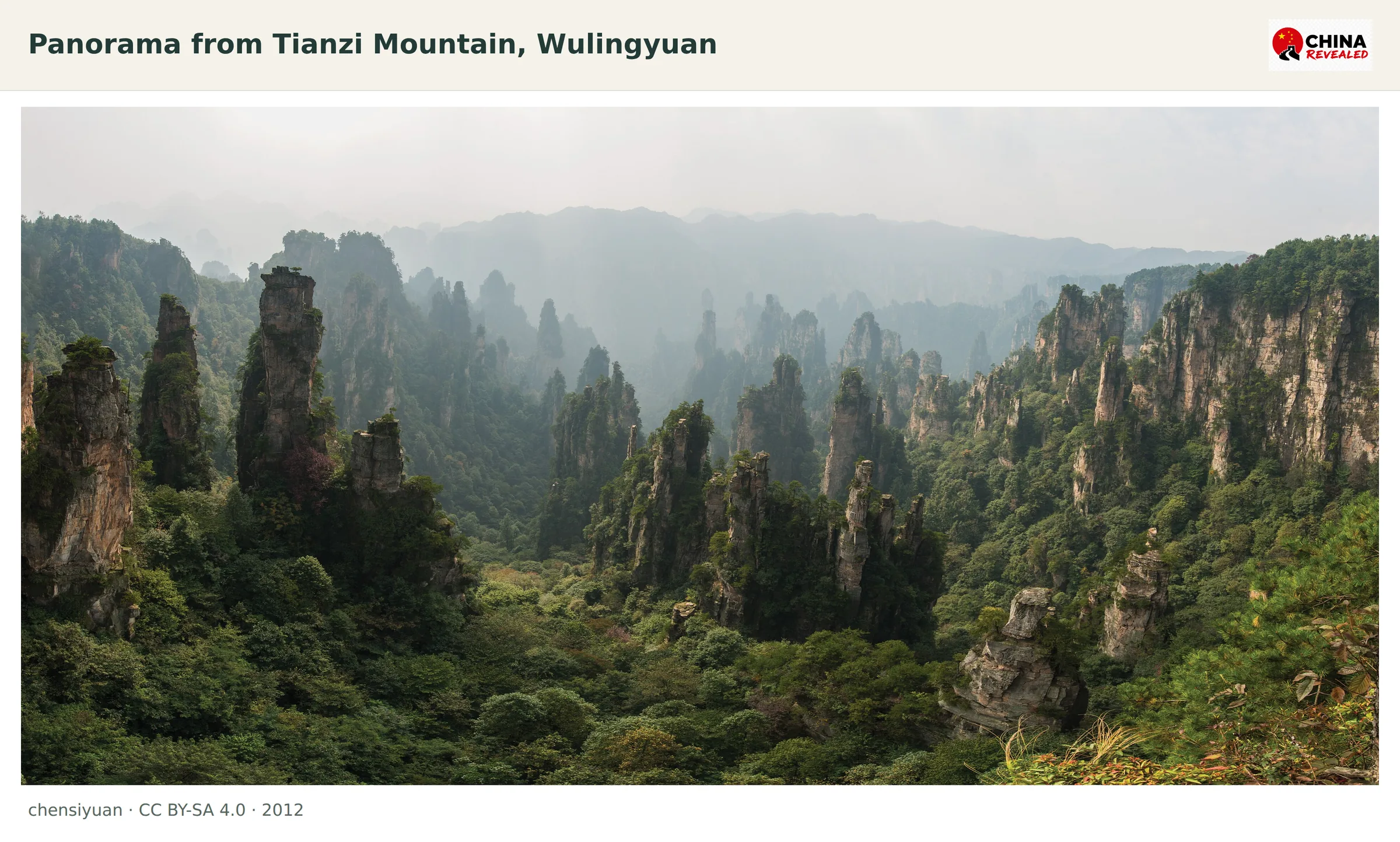
1. Yuanjiajie and Tianzi Mountain. Enter at the East Gate/Wulingyuan Sign Gate. The adult Wulingyuan core ticket with eco-bus is currently planned at ¥236 per person and is valid across the linked forest areas; insurance is optional at about ¥3. Bailong Elevator is ¥65 one way and Tianzi Cableway about ¥72 one way, separate from admission. A full route can take 7–9 hours, with 4–6 hours on stair-heavy paved paths and queues. Use the four-day validity to move the day when fog closes the view. The Avatar association is a visual reference, not the reason to rush every overlook.

2. Golden Whip Stream. Enter at the South Gate/Forest Park ticket station and walk a 2–3-hour section of the stream rather than demanding the full 7.5 km when weather or legs disagree. The same ¥236 Wulingyuan ticket applies. From Wulingyuan Bus Station, a South Gate minibus plans around ¥10 per person and 30 minutes; a car is about ¥35–60 and 25–40 minutes. This is the forest-floor counterpoint to the plateau viewpoints. Keep food sealed around monkeys and eat outside the gate.
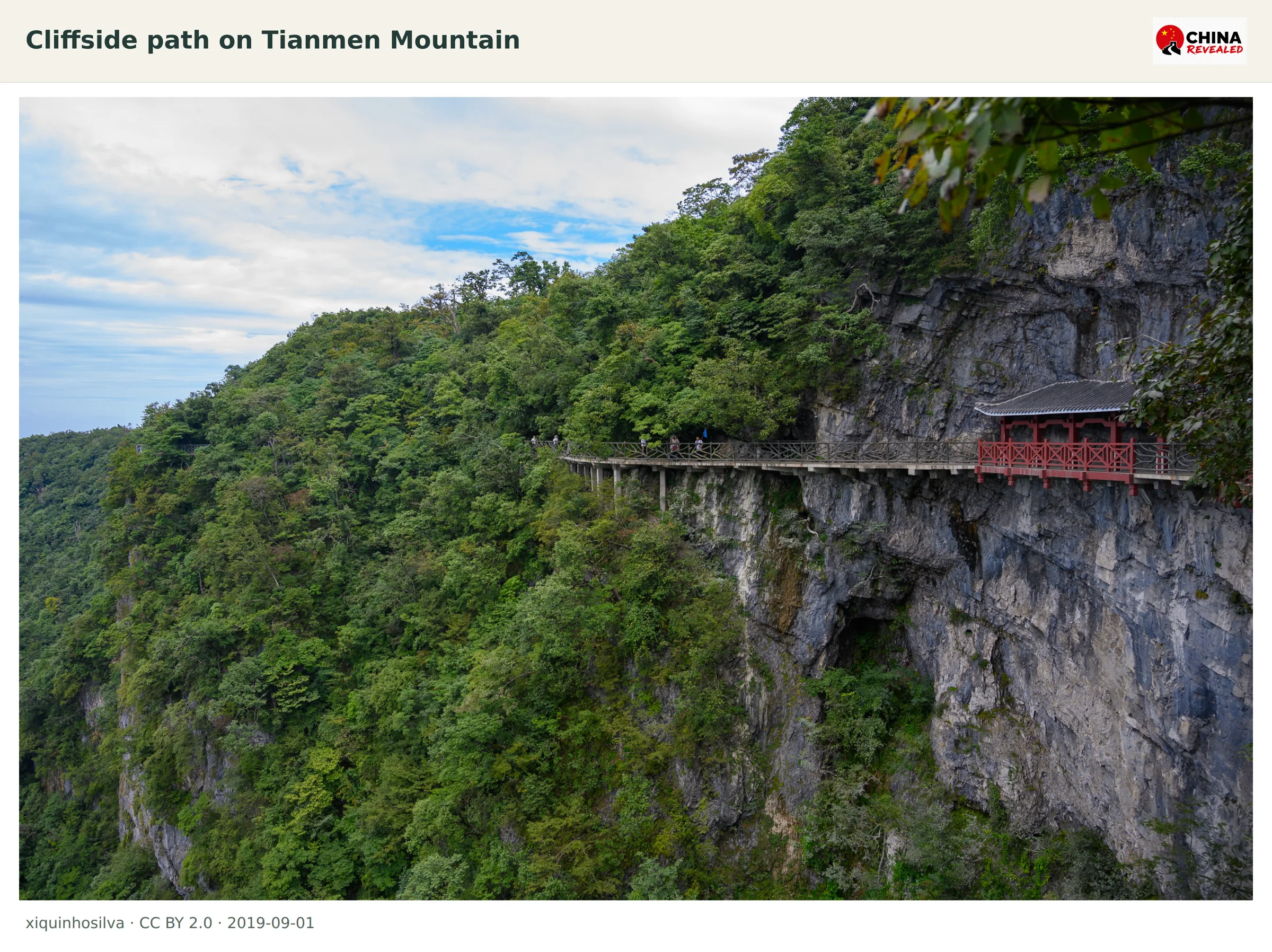
3. Tianmen Mountain. This is a city-side mountain day, not another Wulingyuan trail. Start at the cableway lower station in Yongding District, allow 7–9 hours door to door from Wulingyuan including transfer and queues, and use the top-first route in clear weather: main cableway, cliff paths, optional glass sections, escalators and Heaven’s Gate. The government-guided resource admission is ¥72, while the full adult round-trip cableway package is about ¥285; do not add both as if they were separate required tickets. Shoe covers, summit chairlift and lower cave escalator can be extra. A city taxi to the lower station is about ¥20–30.

4. Bailong Elevator as a connector. Use the lift when it saves a long approach between the canyon floor and Yuanjiajie plateau, not as a separate mountain. The useful calculation is ¥236 park ticket + ¥65 Bailong up + ¥72 Tianzi down = ¥373 per person for that connector-heavy day. Skip it if the queue is extreme or the plateau is in cloud. Pay-as-you-go is clearer than buying a bundle you cannot explain.
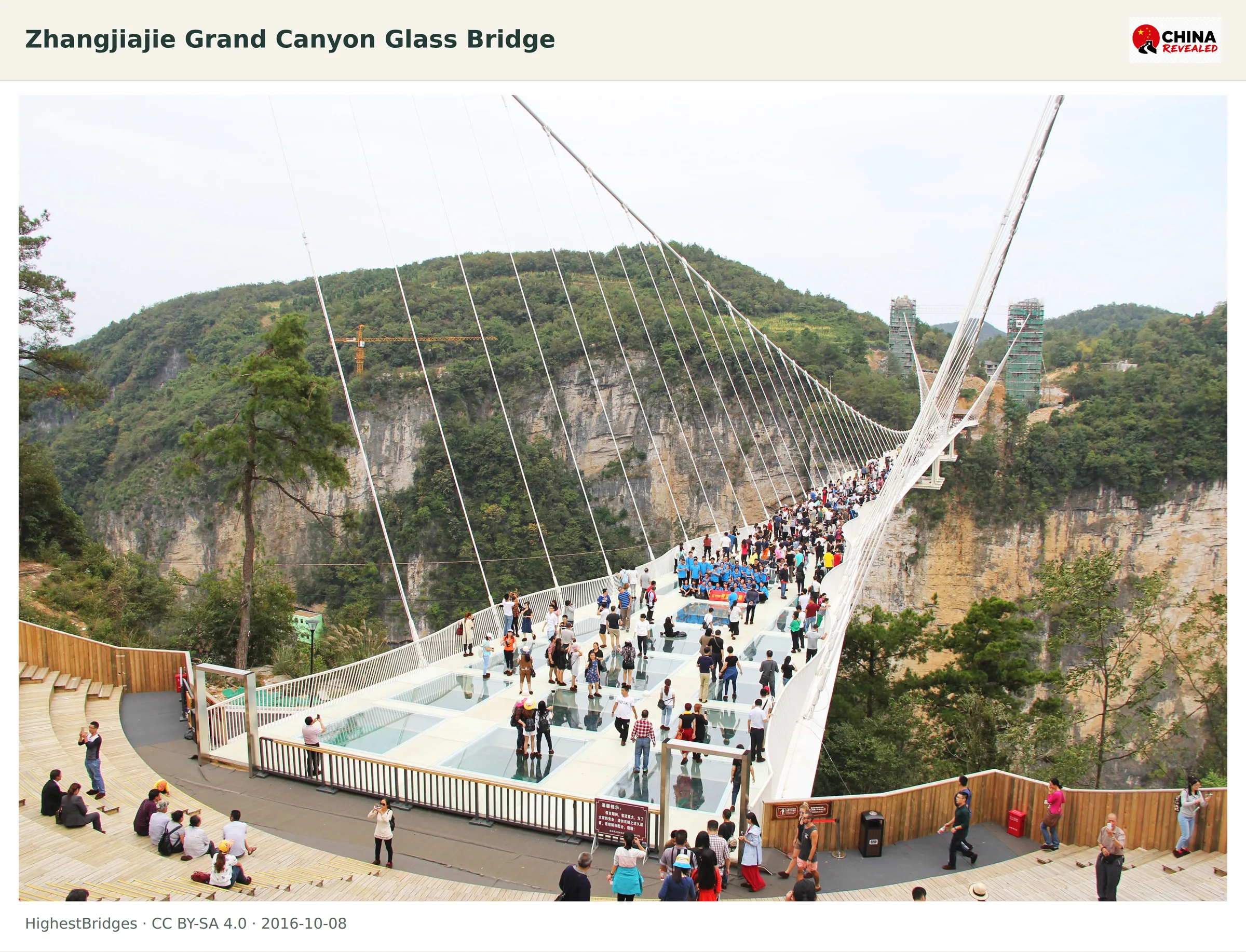
5. Grand Canyon Glass Bridge, conditional. Choose it only if a glass bridge is genuinely a priority. The official B-route page has displayed about ¥216 per adult; an independent current guide reports a ¥178 combo on some dates, so plan ¥178–216 and verify the slot. From Wulingyuan, a car is roughly ¥80–120 each way and 35–50 minutes. It is in Cili County, not at the East Gate. With only two forest days, cut this before Yuanjiajie, Tianzi or Golden Whip Stream.

Food, bases and transfers
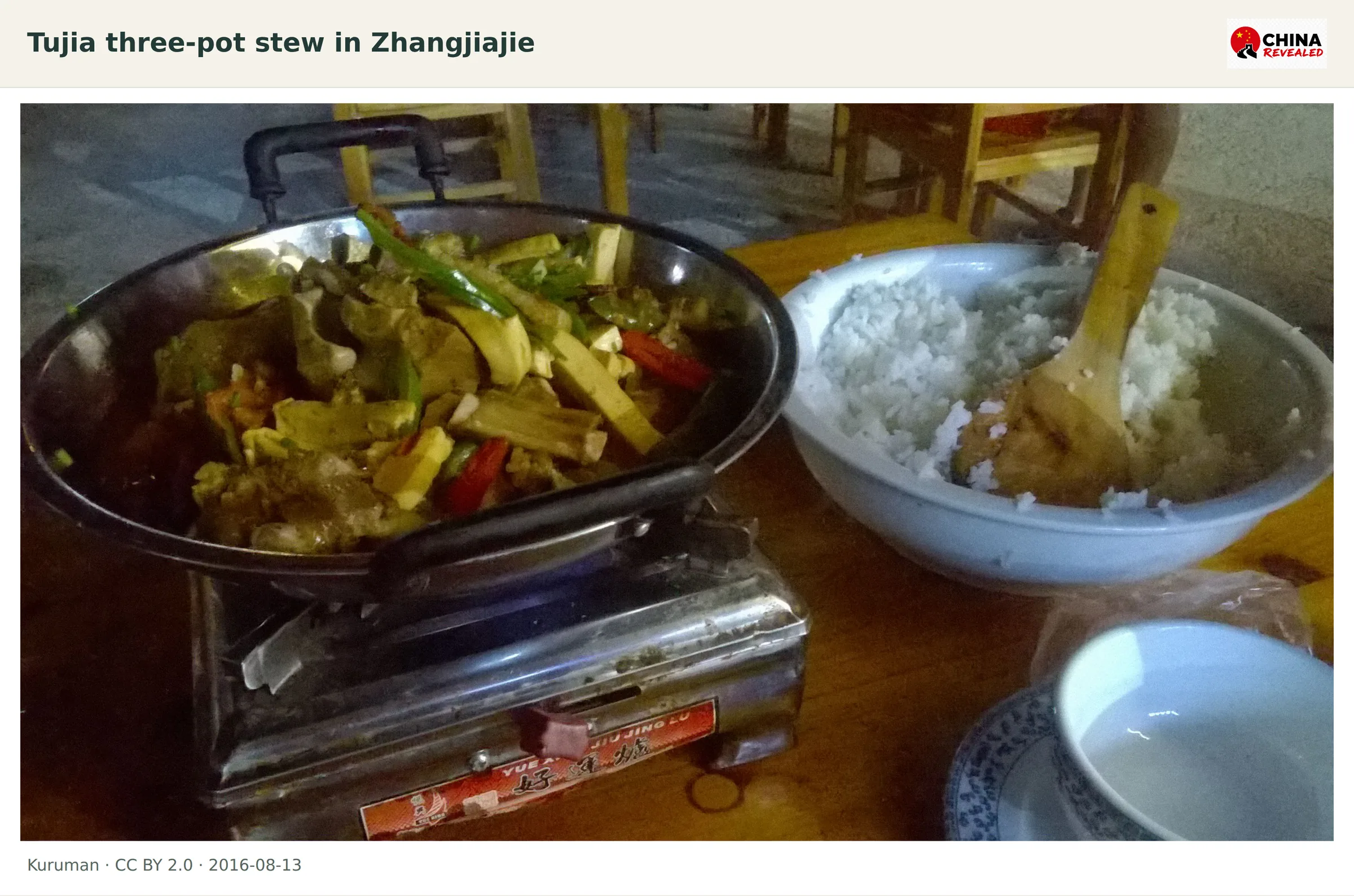
Order sanxiaguo, the Tujia three-pot stew, with smoked pork, dried beans, preserved vegetables and rice. A full Tujia meal plans at ¥50–90 per person; breakfast noodles at ¥10–20; a Wulingyuan snack/noodle meal at ¥15–35; plateau meals can be ¥60–100. Ask for less spicy (少辣) but expect Hunan heat.
Wulingyuan comfortable rooms plan at ¥300–600 per night, with private budget rooms around ¥150–250 and resorts at ¥600–1,500. City rooms near Tianmen or the railway/Central Bus Station plan at ¥300–500. DYG airport to Wulingyuan is about 50–60 minutes and ¥120–150 per car; the Central Bus Station beside Zhangjiajie Railway Station to Wulingyuan bus is ¥13 per person and 45–60 minutes. The city-side cableway is a short taxi ride from central hotels. Keep a weather-reserve morning inside the Wulingyuan ticket; delete the glass bridge or a small paid train before deleting the second forest day.
The 7-day Beijing–Shanghai line
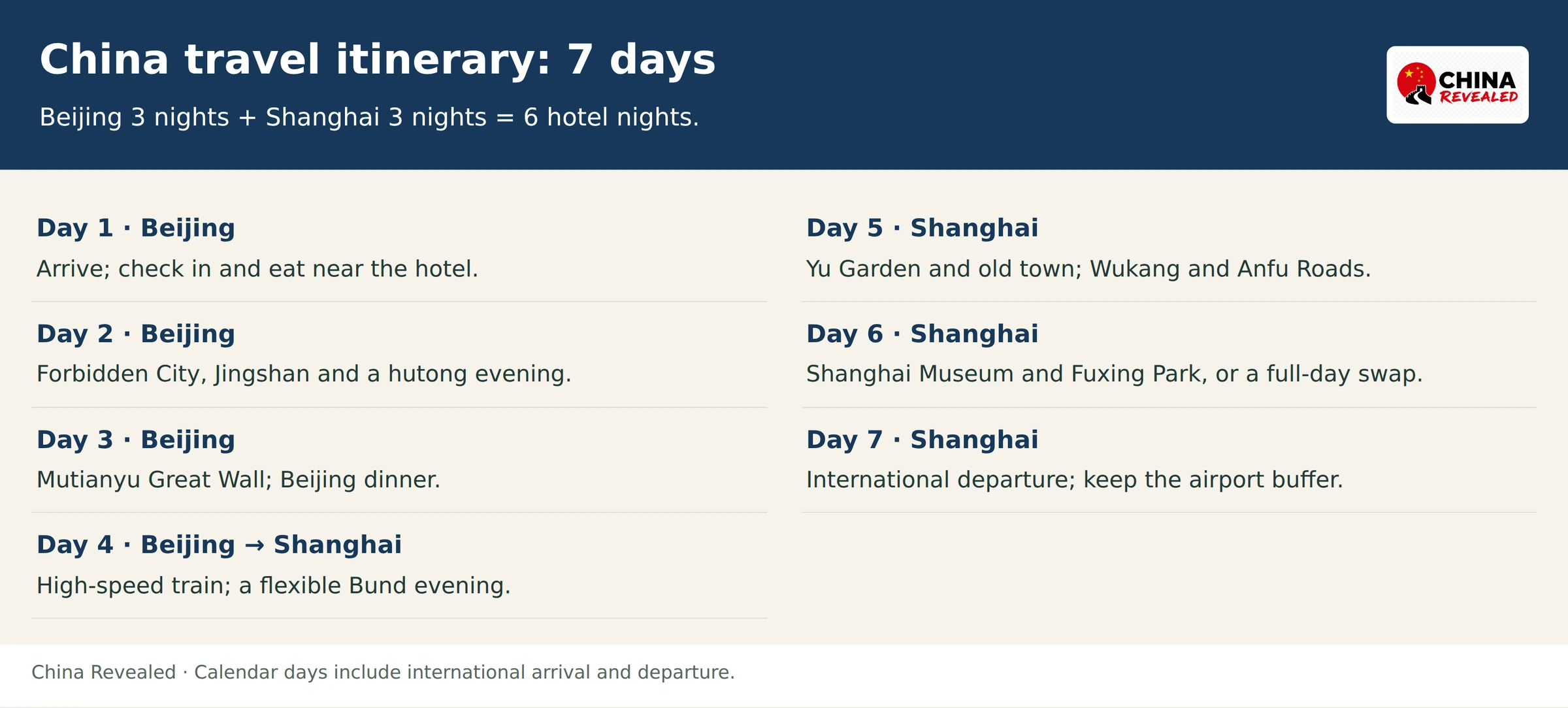
Night count: Beijing 3 nights; Shanghai 3 nights. Day 1: international landing. Day 7: international departure. The sequence below assumes the traveller can land in Beijing and depart Shanghai; reverse the cities if the flight price or visa logic is better, but preserve the protected blocks.
Day 1 — international arrival in Beijing: settle, orient, eat
Start: PEK or PKX arrivals. End: a central Dongcheng/Xicheng hotel. Do immigration, luggage, cash/mobile setup and the simplest airport transfer. From PEK, Capital Airport Express to Dongzhimen is about 25–30 minutes and ¥25; from PKX, Airport Express to Caoqiao is about 22 minutes and ¥35, followed by metro or taxi. If the flight lands late, go directly to the hotel.
Late afternoon, only if energy permits: walk a short, un-ticketed route from Dongsi or Wangfujing toward the edge of the historic core. Use the time to learn one north/south street orientation and buy breakfast provisions. Evening: zhajiangmian (¥25–50 per person) or a modest roast-duck dinner, not a full palace plan. A sensible arrival day costs about ¥80–250 per person excluding room, depending on dinner and airport route. Save the longer walk for tomorrow.
Day 2 — imperial axis into lakeside Beijing
Start: Wumen/Meridian Gate security approach by 08:00–08:30. Morning: 3–4 hours through the Forbidden City from Wumen to Shenwumen. Keep the route south to north and do not backtrack for a “better” hall. Ticket planning is ¥40–60; add the ¥10 galleries only when they genuinely matter.
Afternoon: cross to Jingshan, pay ¥2 normally (seasonal cultural price can be higher), climb to Wanchun Pavilion, then walk west toward Shichahai/Yandai Xiejie if legs and weather are good. This is the route’s balanced part: a huge imperial interior followed by a free neighbourhood walk, water and sitting time. Evening: dinner near Gulou/Houhai, perhaps noodles or shared dishes; avoid a forced rickshaw tour. End: same central hotel. A realistic day plans ¥80–180 for admissions and local rides plus food; the Palace, Jingshan, transport and a mid-range dinner do not require an observation deck.
Day 3 — Mutianyu as the long day
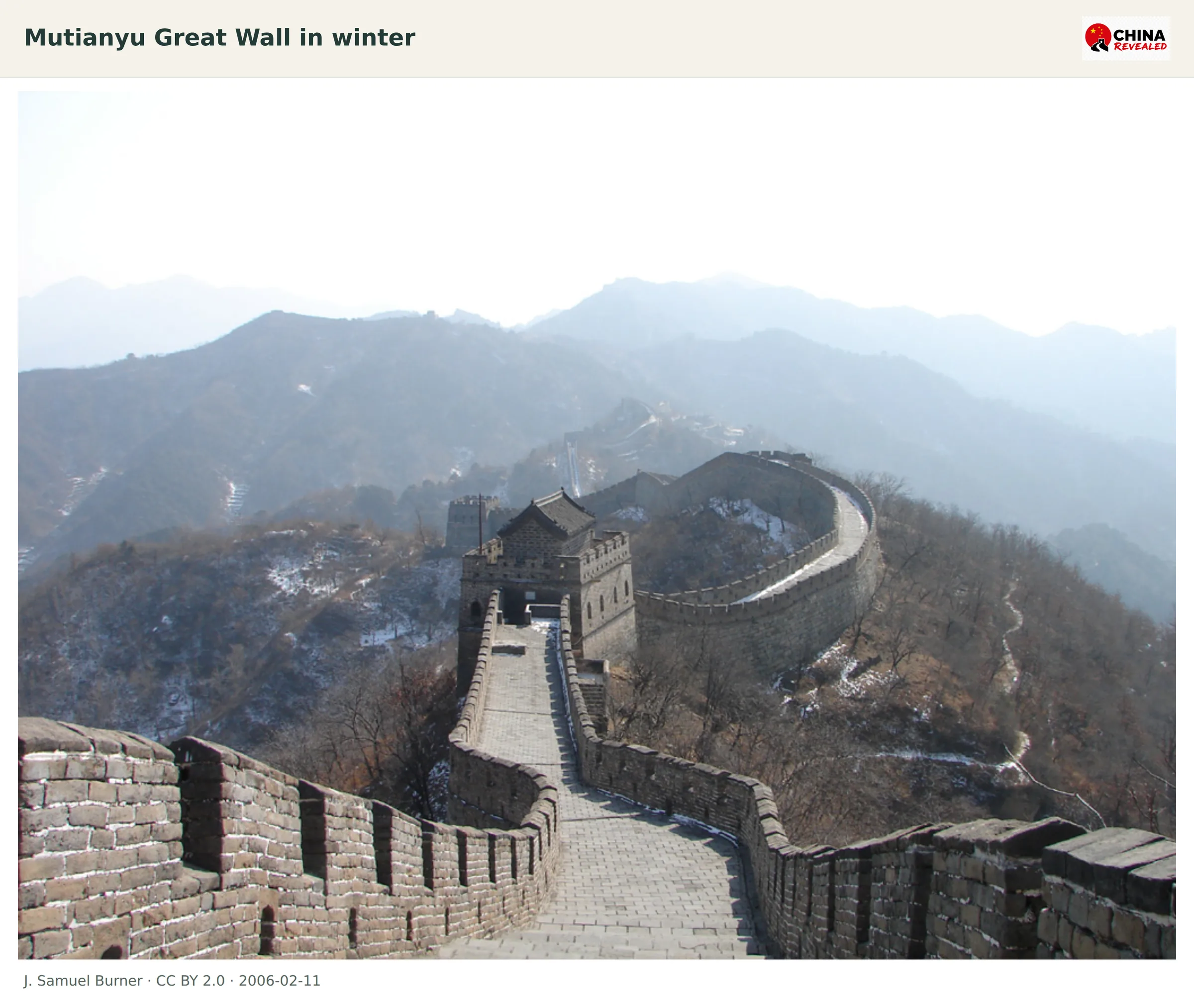
Start: hotel lobby around 07:00–07:30 with a pre-booked car or agreed ride. Morning: drive to Mutianyu, usually around 90 minutes in normal traffic but longer on weekends. Start at Mutianyu Visitor Center, then take the scenic shuttle and chosen walking or lift route. Midday: eat near the scenic area; do not add Yanqi Lake or Badaling. Afternoon: return via the same planned route, allowing queues and traffic. End: same hotel around late afternoon or early evening.
Budget ¥40 entrance + about ¥20 shuttle + optional chairlift/toboggan around ¥100 one way or ¥140 return per person, plus a shared return car planning band of ¥500–800 per vehicle. For two people, the car is often the dominant transport cost. Evening: a nearby simple meal and an early night, not an attempt at Qianmen. This is the route’s heaviest day; protecting recovery is part of the design.

Day 4 — Beijing to Shanghai: transfer, then a river orientation
Start: Beijing South Station with a morning high-speed train to Shanghai Hongqiao. The train usually takes about 4.5–6 hours; allow 7–9 hours hotel to hotel. Budget roughly ¥550–750 per adult in second class, then allow station security and your hotel connection. Midday: arrive Hongqiao, use Line 2 or the pre-planned taxi to a People’s Square/Huangpu/Jing’an hotel, and leave luggage.
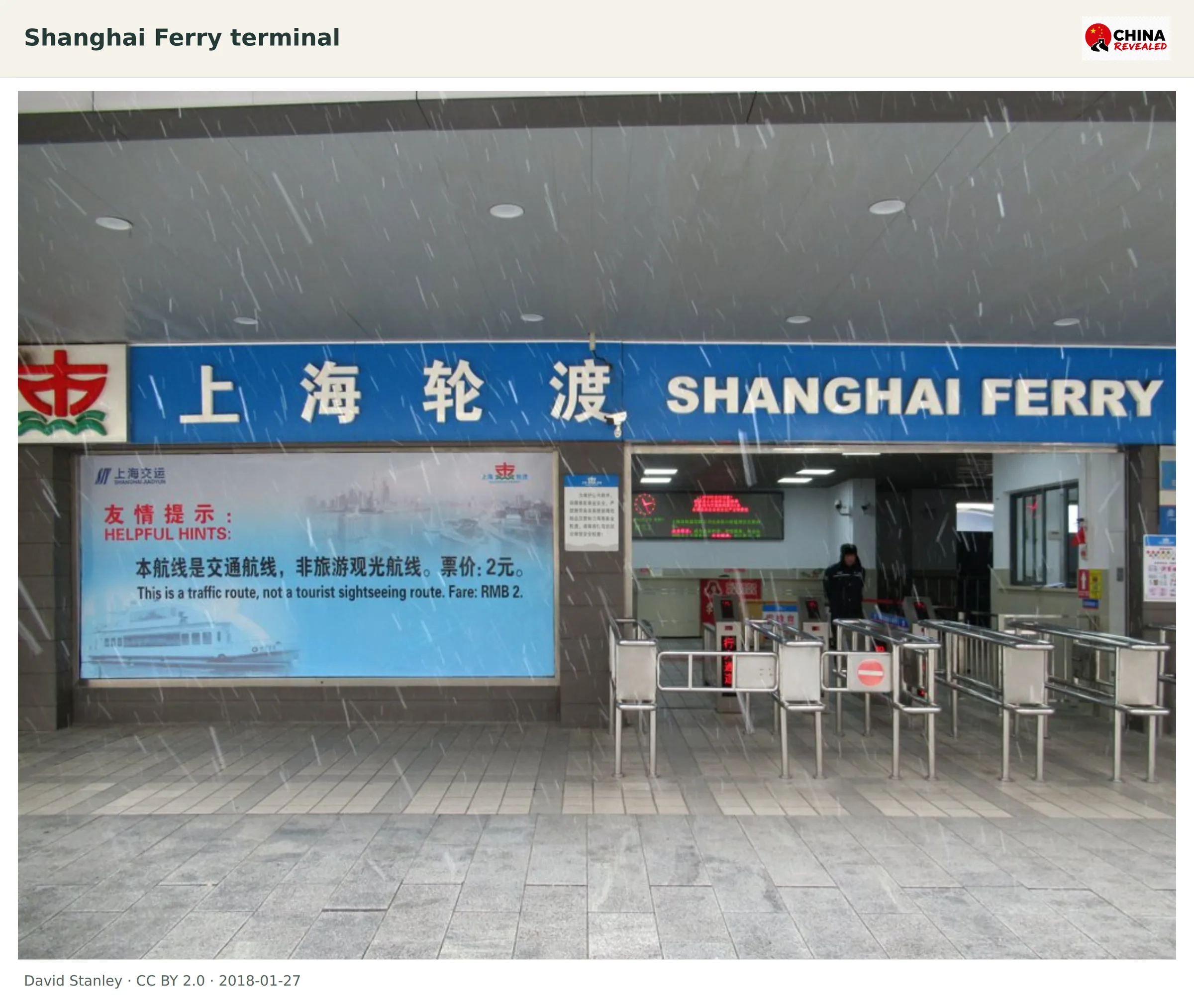
Afternoon: if the train arrival is on time, walk Nanjing East Road to the Bund. Do not buy an attraction just to fill the transfer. Evening: walk south along the riverfront, then take the ¥2 pedestrian ferry from East Jinling Road to Dongchang Road if service and weather cooperate. Read the Bund again from Pudong, eat back in Puxi or Lujiazui, and return by metro/taxi. End: Shanghai hotel. The transfer day should cost the rail fare, about ¥20–60 of local transport, and ¥60–180 for meals; a formal cruise is optional, not assumed.

Day 5 — Yu Garden, old city and a careful neighbourhood shift
Start: Yuyuan Garden metro station near opening. Morning: two hours inside the ticketed garden, planning ¥30–40 per person. Late morning/lunch: Huxin Pavilion/old-city lanes, then a dumpling or shengjian breakfast-lunch crossover. Keep the bazaar as a commercial contrast, not a substitute for the garden.
Afternoon: take Line 10 to Jiaotong University and walk 10–15 minutes to Wukang Road, or use a short taxi. Continue toward Anfu Road. The areas are not one tiny block; build in the ride and sit down for coffee or a meal. Evening: either continue to a former French Concession dinner or return to Huangpu for the Bund lighting. This is a medium-weight day with free walking around ¥100–250 for garden, food and transport. End at the same hotel.
Day 6 — Shanghai Museum, People’s Square and one choice
Start: People’s Square and the Shanghai Museum at opening. Allow 2–3 hours; general entry is currently planned at ¥0, while special exhibitions may cost extra. Midday: Huanghe Road or nearby soup dumplings, then a walk toward Nanjing East Road. Afternoon/evening choice: either keep it urban and take Fuxing Park after a short ride from the People’s Square area, or make Zhujiajiao a deliberate half/full-day replacement only if the timing works. With this three-night block, I would generally choose Fuxing Park rather than add an outside-water-town transfer after two big days.
If choosing Zhujiajiao, use the ¥60 joint ticket only for its included gardens/galleries; do not assume the old lanes need it. If choosing Disneyland, replace the whole day and budget from ¥499 plus food and optional access products. End: central Shanghai hotel. A museum/neighbourhood day can be ¥100–300 per person; Disney is a separate budget tier.
Day 7 — international departure from Shanghai
Start: hotel with a terminal-specific transfer plan. PVG to central by Line 2 is 60–70 minutes; for an international departure, add walking, security and check-in buffer. If the flight is late and the hotel can hold luggage, use a nearby breakfast and one final street rather than crossing town. End: PVG or SHA only if the international ticket says so. Do not call Hongqiao Railway Station the airport, and do not schedule a distant attraction on departure morning.
The 10-day Beijing–Xi’an–Shanghai line
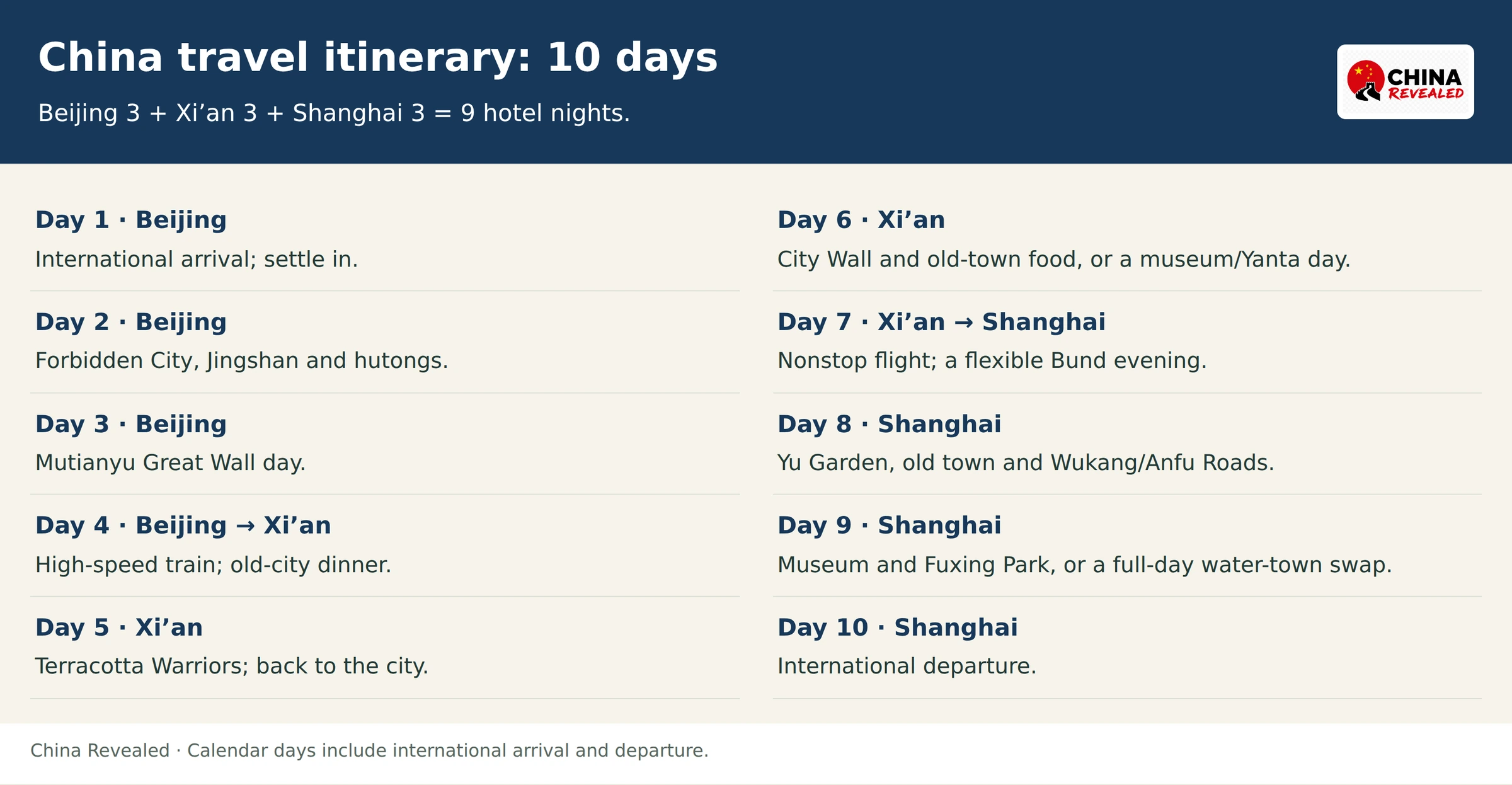
Night count: Beijing 3, Xi’an 3, Shanghai 3. The Beijing and Shanghai blocks use the route above as compact navigation; Xi’an is the new centre of gravity. Day 1 is international arrival in Beijing, Day 4 Beijing–Xi’an, Day 7 Xi’an–Shanghai and Day 10 international departure.
Days 1–3 — use the protected Beijing opening
Arrive and settle in Dongcheng/Xicheng on Day 1; use Day 2 for Wumen → Shenwumen → Jingshan → Shichahai; reserve Day 3 for a hotel-to-hotel Mutianyu return. The detailed Beijing playbook supplies the ticket, food and transport choices. If the wall weather fails, move it within the three-night block and use Temple of Heaven → Qianmen/Dashilar as the city alternative rather than forcing a mountain view.
Day 4 — Beijing to Xi’an: station day and a first food walk
Start: Beijing West with a morning high-speed train to Xi’an North. Allow roughly 4 hours 10 minutes to 5.5 hours on the train and 6–8 hours hotel to hotel; second-class planning is around ¥500–750 per adult. Midday: arrive Xi’an North, use Line 2 to Zhonglou or a planned taxi, check in near Bell Tower/Yongningmen and eat. Late afternoon: walk Bell Tower/Drum Tower from outside, then Beiyuanmen as orientation. Turn into Xiyangshi or Dapiyuan for the first meal: one roujiamo, a modest noodle or liangpi, and tea rather than five heavy dishes.
End: central Xi’an hotel. Allow 30 minutes from Xi’an North to Zhonglou by metro plus station walking; planning food/metro is ¥60–150 per person after the rail fare. Do not attach the Warriors to this arrival day.

Day 5 — Terracotta Warriors and Lintong
Start: central Xi’an 07:30–08:00. Take a pre-planned shared car or the metro/bus combination if the group is comfortable with the longer approach. Morning: North Gate, Pits 1–3. Afternoon: free shuttle to Lishan Garden and Bronze Chariots, with optional carts. End: return to the central hotel, usually after 16:00. A core day is ¥120 ticket + transport and food; a shared taxi, carts and a simple dinner keep the total in a broad ¥300–550/person planning band. Do not put the City Wall after this day.
Day 6 — city wall, museum contingency and Sajinqiao
There are two workable versions because the Shaanxi History Museum ticket is difficult.
- If the museum reservation succeeded: start at the museum for 2.5–3.5 hours, eat around Xiaozhai, then take Line 4 to Giant Wild Goose Pagoda and walk the South Square. Online temple admission is listed at ¥10; allow roughly ¥25–30 more if choosing the separately ticketed tower climb. End with a Shaanxi dinner around Yanta.
- If it did not: start at Yongningmen, buy the ¥54 wall ticket, walk or cycle 2–3 hours, continue through Shuyuanmen/Beilin, and make Sajinqiao the food finish. Plan the out-of-centre Qin-Han branch only as a separate museum excursion.
The point is not to squeeze both versions into one day. Museum or wall, then a district meal, is the correct weight.
Day 7 — Xi’an to Shanghai, then a Bund crossing
Start: Xi’an Xianyang Airport (XIY) for a nonstop flight to Shanghai, preferably Hongqiao (SHA) when the fare and time suit. Flying takes about 2.5 hours, but allow 5–7 hours hotel to hotel. Reserve roughly ¥600–1,300 per adult for the domestic fare, then check baggage and both airport transfers. Afternoon: arrive, reach the hotel and leave luggage. Evening: East Nanjing Road to the Bund, then the ¥2 ferry to Pudong if operating. If the transfer arrives late, keep only a Bund walk and save the ferry for Day 9. End at the same Shanghai hotel.
Day 8 — Yu Garden, old city and soup dumplings
Use the Shanghai Day 5 shape: Yu Garden inside, old-city snack/lunch outside, then a measured Wukang Road/Anfu Road hop if energy permits. If the flight arrival was late, keep Wukang for Day 9 and use a short Huangpu walk instead.
Day 9 — museum, leafy park and one optional water-town choice
Start at Shanghai Museum, eat around People’s Square/Huanghe Road, then choose Fuxing Park or Zhujiajiao. With only one day left before departure, Zhujiajiao is a real 6–8-hour commitment; do it only when the water-town texture matters more than another local street. Disneyland is a full replacement, not an evening add-on.
Day 10 — international departure from Shanghai
Use the actual hotel-to-terminal plan for PVG or SHA, allowing the international buffer. The final morning has no distant attraction.
The 14-day Beijing–Xi’an–Chengdu–Shanghai line
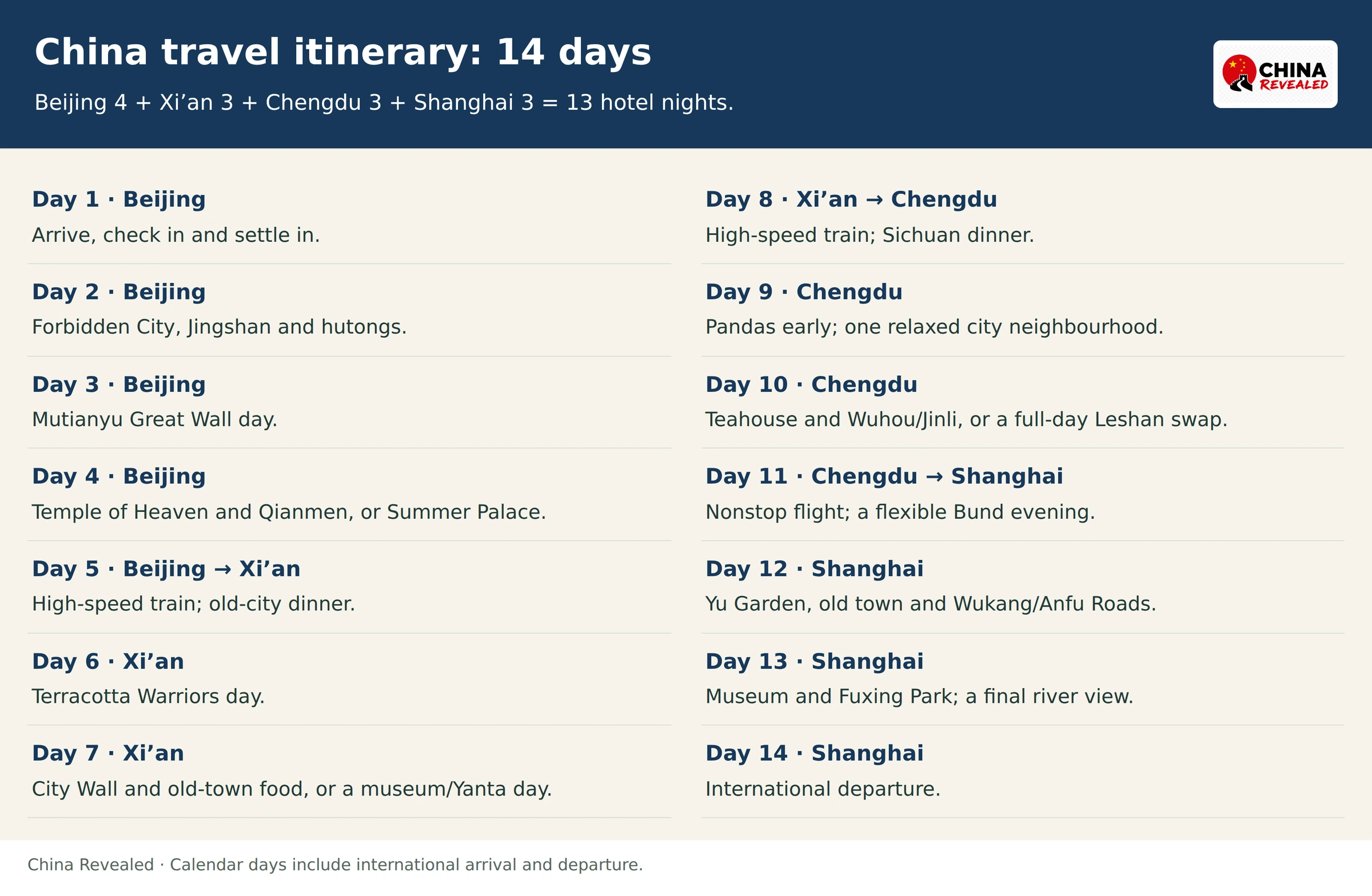
Night count: Beijing 4, Xi’an 3, Chengdu 3, Shanghai 3. Day 1 is international arrival in Beijing; Day 5 moves to Xi’an; Day 8 to Chengdu; Day 11 to Shanghai; Day 14 is international departure. The extra Beijing night adds a park day; Chengdu adds pandas, tea and Sichuan food without another rush between major sights.
Days 1–3 — use the protected Beijing opening
Arrive and settle in Dongcheng/Xicheng on Day 1; on Day 2 take the Palace Museum northbound from Wumen through Shenwumen to Jingshan, with Shichahai optional; on Day 3 protect the Mutianyu hotel-to-hotel return. Keep the passport booking in the day bag and do not attach a second wall section or Summer Palace to the wall day.
Day 4 — choose the fourth-day Beijing block
This day is a real choice, not “rest.” Choose one of the following, based on energy and season.
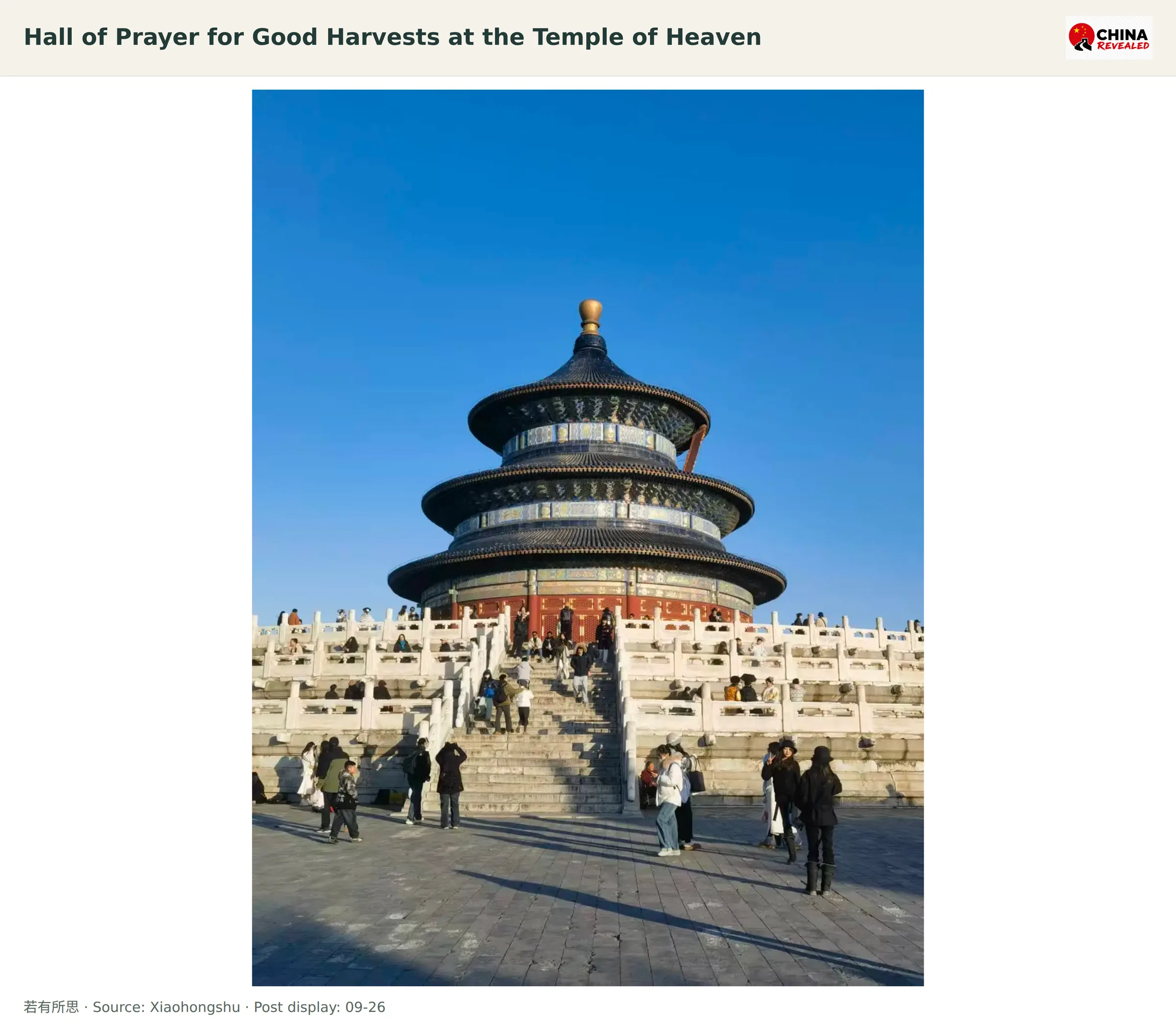
Option A: Temple of Heaven → Qianmen → Dashilar → south-city dinner. Start at Tiantan East Gate, spend 3–4 hours on the long cypress avenues and inner halls, then transfer 15–25 minutes by taxi or 25–35 minutes by metro to Qianmen/Dashilar. Eat zhajiangmian, browse the old shops and finish with dinner near Qianmen. The basic Temple of Heaven combination is ¥34 per person; local rides, lunch and dinner are separate. This option is the best use of the fourth night when the group wants another classic Beijing layer without a long northern transfer.
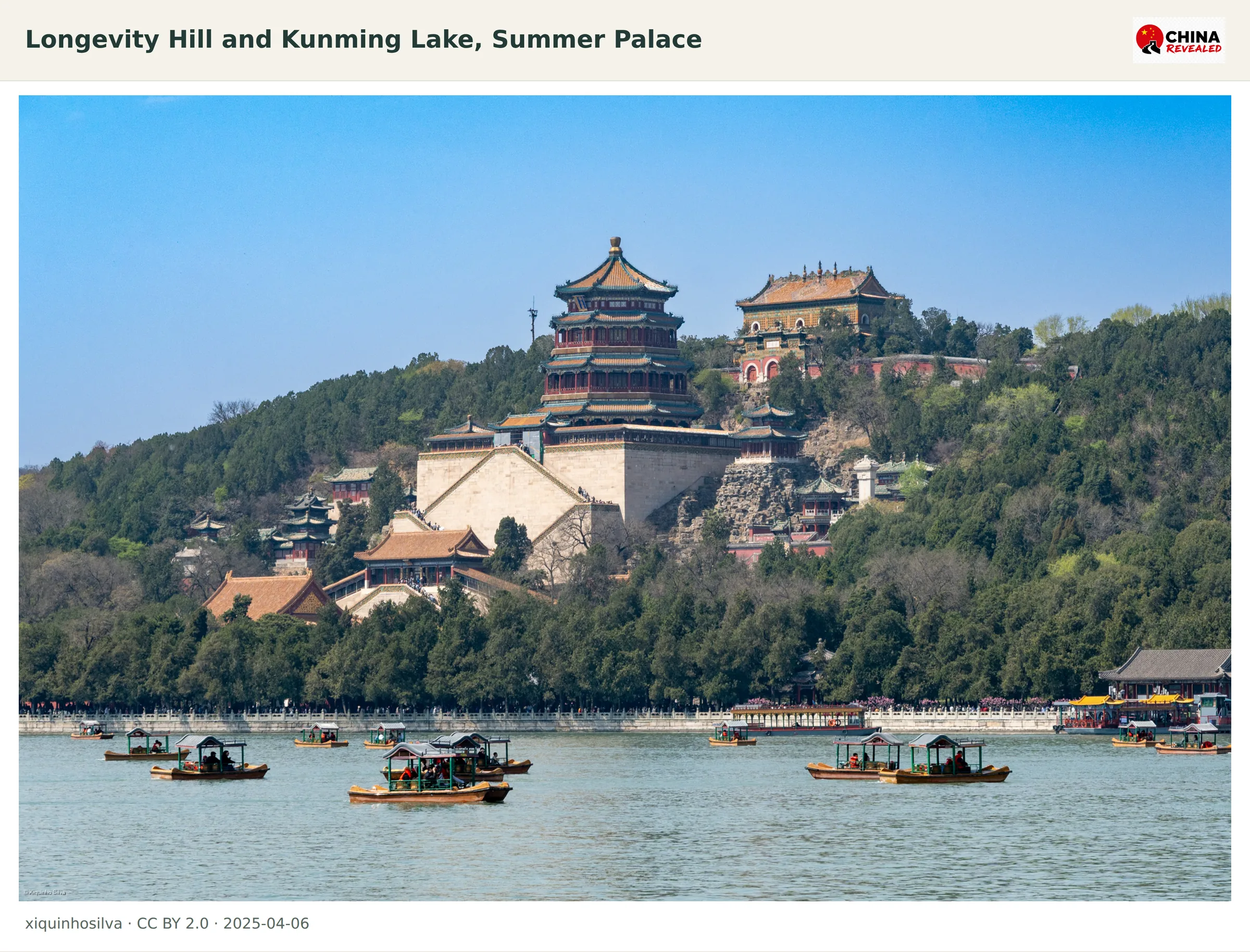
Option B: Summer Palace as a complete landscape block. Take Line 4 to Xiyuan or Beigongmen, choose East Palace Gate for the main imperial sequence or North Palace Gate for a shorter lake route, and give the park 4–5 hours. The basic adult ticket is ¥30 in peak season or ¥20 off-season; add-ons are optional. Eat a simple meal near the hotel after the return. Do not add Temple of Heaven to this day simply because the Summer Palace ended early: the long corridor, lake and hill are the point.

Day 5 — Beijing to Xi’an
Start: Beijing West for Xi’an North; allow about 4 hours 10 minutes to 5.5 hours aboard and 6–8 hours hotel to hotel. Afternoon: Xi’an North to a Bell Tower or Yongningmen hotel, followed by a short Bell Tower–Drum Tower orientation. Evening: Beiyuanmen for a first look, then Xiyangshi/Dapiyuan for roujiamo, liangpi or a light bowl. End at the same hotel. This is a transfer day, so reserve the train and dinner, not the Warriors.
Day 6 — Terracotta Warriors as the outward archaeological day
Start from central Xi’an around 07:30–08:00, use a shared car or the longer metro/bus approach, and give the North Gate, Pits 1–3, free inter-area shuttle and Lishan Garden the whole day. Adult admission is ¥120; optional carts and transport are extra. Return for an easy dinner near Bell Tower. Give the pits and garden the time, then return for a relaxed dinner.
Day 7 — Xi’an city day
If the Shaanxi History Museum reservation succeeded, start at the museum, eat around Xiaozhai and continue by Line 4 to Giant Wild Goose Pagoda and the South Square. If not, use Yongningmen, the ¥54 wall, Shuyuanmen/Beilin and Sajinqiao. The two versions have similar weight but different textures; do not run both as a race. Keep tower climbing, mural gallery and extra Tang attractions optional.
Day 8 — Xi’an to Chengdu, then a food-first arrival
Start: Xi’an North with a train to Chengdu East. Most useful services take about 3–5 hours; allow 5–7 hours hotel to hotel and roughly ¥280–450 per adult in second class. Afternoon: take a taxi or metro to a Chunxi Road/Tianfu Square/Jinjiang hotel, leave luggage and make the first Chengdu walk small. Choose Kuanzhai Alley for restored lanes or Yulin for an everyday dinner. Evening: order dan dan noodles or Zhong dumplings before committing to hotpot. End at the same Chengdu hotel. The transfer day is a good place for ¥15–35 local food and a quiet walk, not for a Leshan detour.
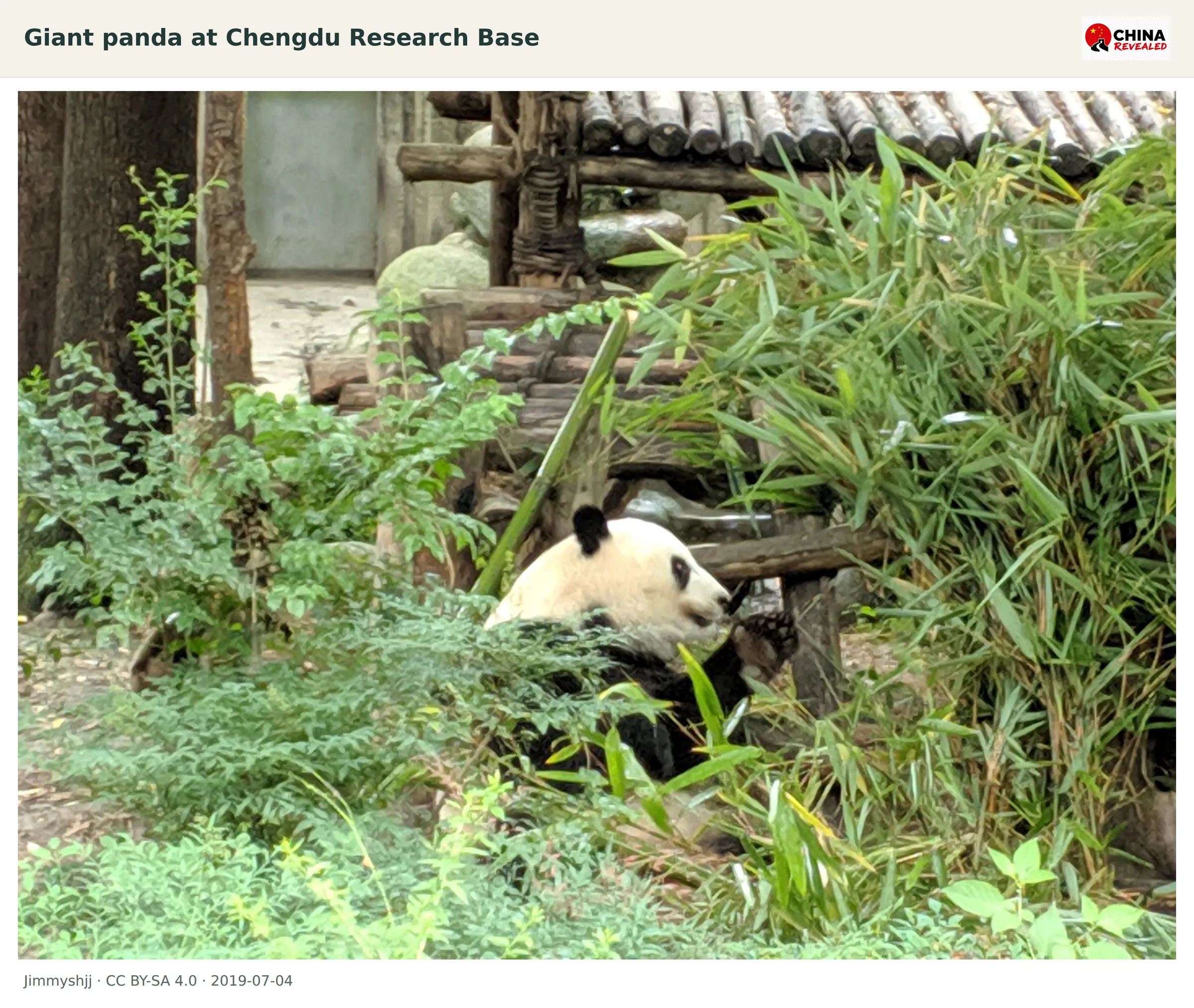
Day 9 — panda morning, then a light urban evening
Start: the Chengdu Research Base timed morning entry. Budget ¥55 admission, passport check and four to five hours including walking. Leave by early afternoon, return to central Chengdu, and take a proper seated break. Evening: Chunxi Road side streets or a short ride to Yulin; keep the luxury mall as orientation rather than the meal. A two-person taxi from Chengdu East or central areas is a car cost, not a per-person fare; split it only in the personal budget.

Day 10 — People’s Park, tea and Wuhou/Jinli
Start: People’s Park and Heming Teahouse. Spend two to three hours with tea (roughly ¥15–30 per person), the lake and the public tables. Late morning/afternoon: use a short metro/taxi hop to Wuhou Shrine, pay ¥50 if entering, and continue into free Jinli for a small snack. Evening: ride to Yulin or Kuixinglou for a more everyday Sichuan meal. The route connects a tea morning with Three Kingdoms history and an evening meal.
Day 11 — Chengdu to Shanghai, then a short Bund walk
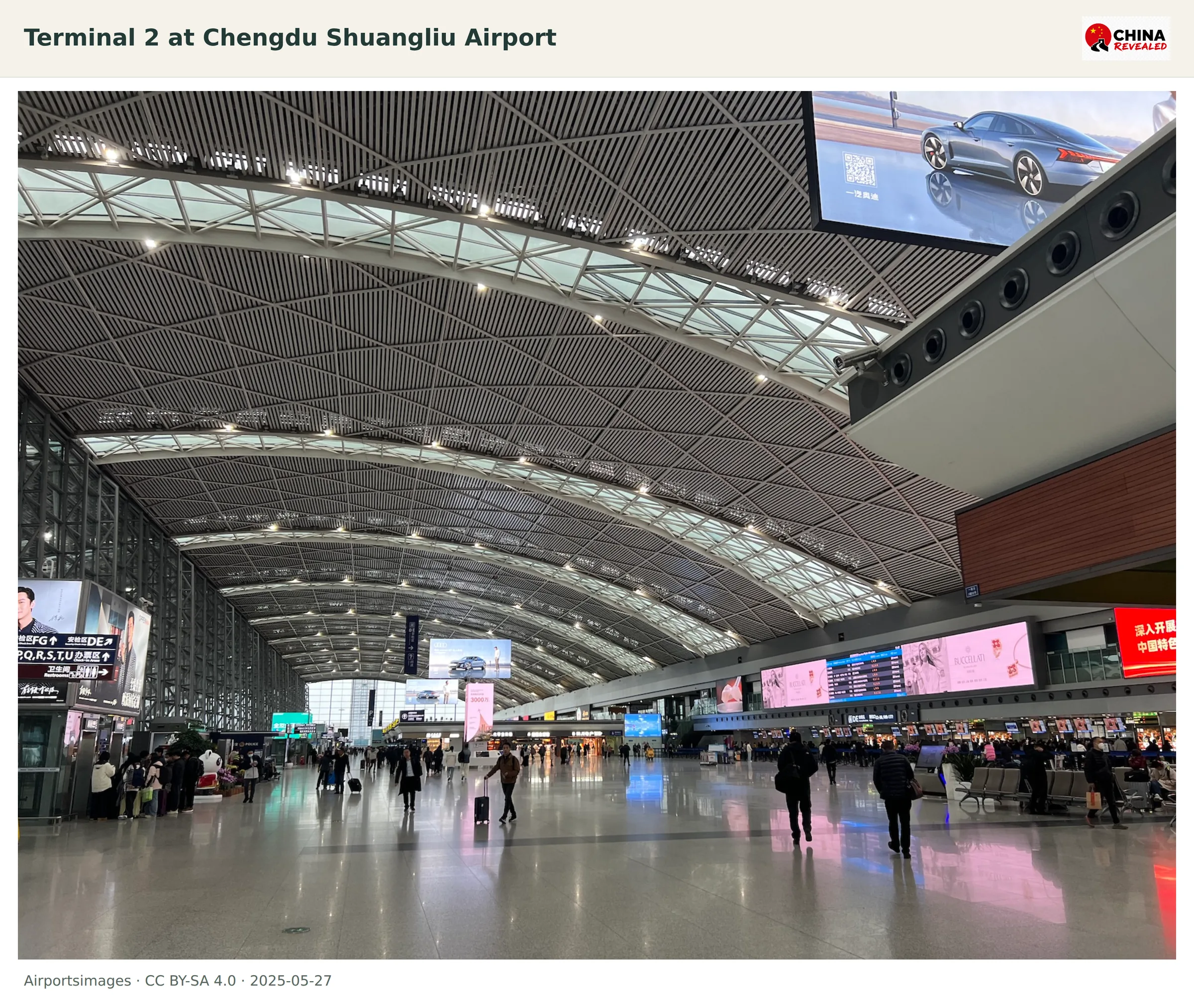
Start: Chengdu Shuangliu (CTU) or Tianfu (TFU) for a nonstop Shanghai flight. Prefer the airport with the better total door-to-door journey, not just the cheaper fare. Air time is about 2 hours 45 minutes; allow 5–7 hours with Shuangliu, potentially 6–8 with Tianfu. Reserve roughly ¥600–1,100 per adult for the fare, plus the checked-bag choice. Afternoon: arrive Shanghai, check in around People’s Square/Huangpu/Jing’an and leave luggage. Evening: East Nanjing Road to the Bund. Take the ¥2 ferry only if arrival time, weather and operating hours line up; otherwise keep the cross-river experience for Day 13. End at the same Shanghai hotel.
Day 12 — Yu Garden and Wukang/Anfu
Start at Yu Garden, spend two hours inside and eat in the old-city area. In the afternoon use Line 10 to Jiaotong University and walk toward Wukang Road, or take a taxi; continue to Anfu Road and build in a real sitting stop because the districts are not adjacent. End with a French-Concession dinner or return to Huangpu. This day is about two urban scales, not maximising paid tickets.
Day 13 — museum, Fuxing Park and a final river view
Start at Shanghai Museum, use the free general collection if available, and eat near People’s Square. Take a short ride to Fuxing Park, then finish the trip with either the Bund/Pudong ferry crossing or a simple riverside walk. A formal cruise is a substitute, not a supplement. If the group actively wants Zhujiajiao or Disneyland, replace this whole day and budget it as described in the Shanghai playbook; do not append either after Fuxing Park.
Day 14 — international departure
Leave from the airport printed on the international ticket with a terminal-specific plan. A central Shanghai breakfast and a final nearby street are acceptable only if the flight time allows; no distant water town, museum or observation deck belongs here.
Intercity transport: the real cost of changing cities
The airport or railway fare is only part of a move. Add the ride from the old hotel, the station/airport waiting time, and the trip to the new hotel. On a first visit, aim to arrive in the new city by mid-afternoon. Leave the first evening flexible enough for a late train, a baggage queue or a longer taxi ride.
Beijing → Shanghai: use Beijing South → Shanghai Hongqiao high-speed rail. Most practical services take about 4.5–6 hours, with a few faster departures. Allow 7–9 hours hotel to hotel and roughly ¥550–750 per adult in second class. A flight can work when its timetable is distinctly better, but an airport journey at each end usually removes much of the air-time advantage.
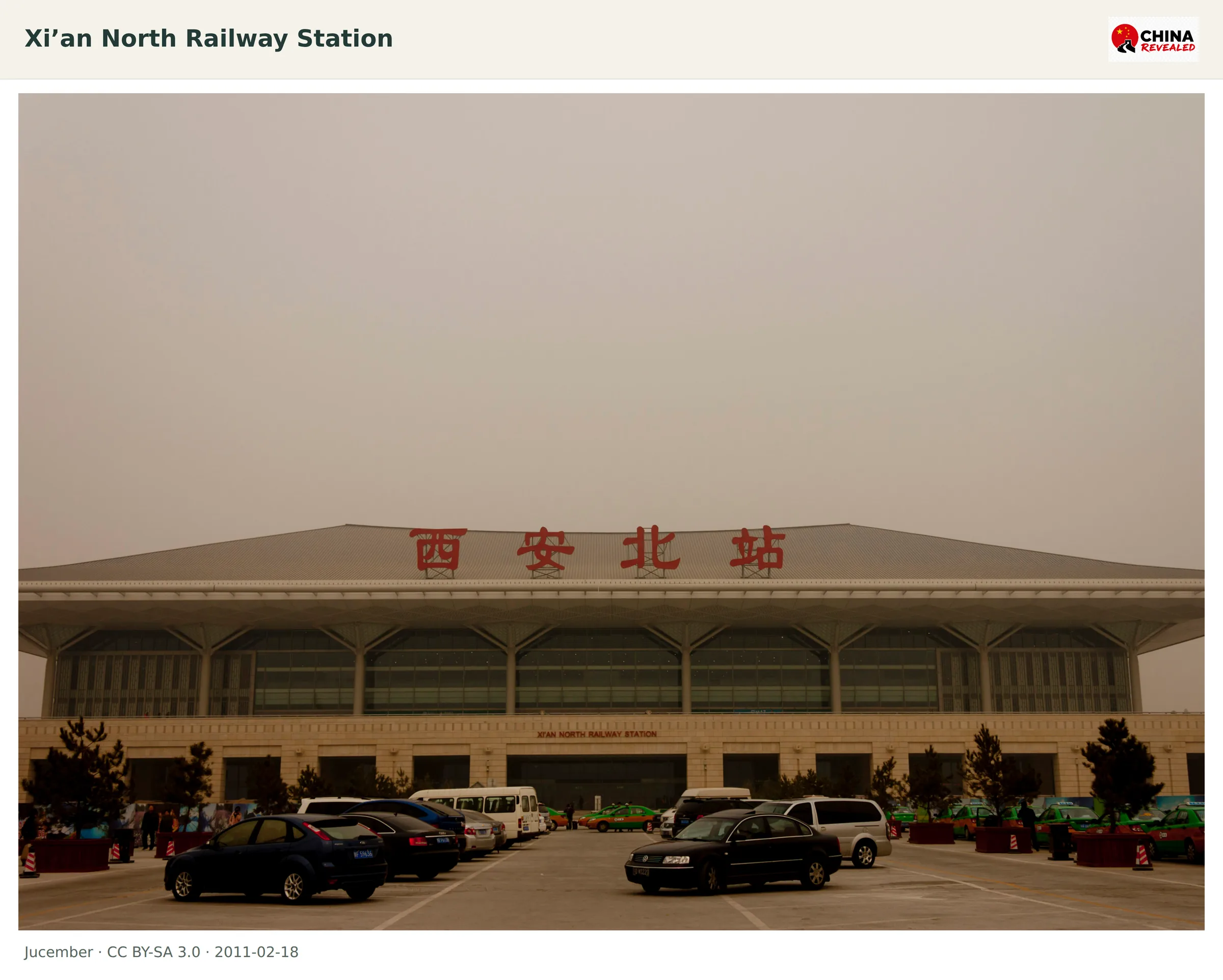
Beijing → Xi’an: use Beijing West → Xi’an North. A useful fast train is about 4 hours 10 minutes to 5.5 hours; allow 6–8 hours hotel to hotel and roughly ¥500–750 in second class. Xi’an North is not the older Xi’an Railway Station. Line 2 makes the last journey to Bell Tower straightforward.

Xi’an → Chengdu: use Xi’an North → Chengdu East. Allow about 3–5 hours aboard, 5–7 hours door to door and roughly ¥280–450 in second class. This is the natural rail link in the 14-day classic route. Keep the panda visit for the next morning.
Xi’an → Shanghai: fly nonstop on the 10-day route. About 2.5 hours in the air becomes 5–7 hours hotel to hotel; reserve roughly ¥600–1,300 for the adult fare, with baggage and airport connections checked separately. SHA usually offers an easier central Shanghai arrival than PVG. Rail is an alternative for someone who dislikes flying: Xi’an North → Shanghai Hongqiao often takes 7–8 hours, though some faster services run. Budget an entire transfer day rather than assuming a full sightseeing afternoon.
Chengdu → Shanghai: a nonstop flight is worth using here. About 2 hours 45 minutes in the air typically becomes 5–7 hours door to door from Shuangliu, or longer from farther-out Tianfu. Reserve roughly ¥600–1,100 for the fare. Choose the airport code deliberately and include the checked-bag cost. The long rail journey is not the default use of a short first holiday.

For the Yangshuo version, price Xi’an → Guilin and Guilin → Shanghai before committing to rooms. A useful nonstop service is much better than a connection followed by a long late-night road transfer. Guilin Airport to Yangshuo adds around 90 minutes; use a shuttle or hotel-arranged car. For the Zhangjiajie version, compare Beijing → DYG and DYG → Shanghai on the actual dates. If the direct flights are at awkward times, another nature option may make the whole trip better. Do not choose a mountain region first and discover later that its transfers consume the holiday.
Use the high-speed rail guide for passport booking and the domestic flights guide for baggage and check-in. The fare bands here are budgeting allowances, not quotes for a selected travel date.
Nature replacements: Yangshuo and Zhangjiajie
Yangshuo replacement for the Chengdu block
Keep the same Beijing and Xi’an nights in the 14-day architecture, but substitute Yangshuo 3 nights for Chengdu 3 nights. The transfer from Xi’an to Guilin is the day’s main event; arrange the onward airport shuttle or car to Yangshuo rather than assuming a Guilin-to-Yangshuo cruise starts at the hotel. Arrival day: check in around West Street/riverfront, eat Guilin rice noodles and walk the free riverfront. Second day: bus to Xingping, old town and the ¥115 Fisher Village short cruise; return before dark. Third day: Yulong rafting in the morning, then a nearby Ten-Mile Gallery bicycle/e-bike loop. Impression Liu Sanjie from ¥332 is optional after dinner, not compulsory.

This replacement changes the route’s balance from panda/tea to river/countryside. Rooms plan at ¥280–650 per night in West Street/riverfront; shared raft planning is ¥100–160 per person on the cited two-person routes; food is generally ¥30–150 per meal depending on noodles versus beer fish. The large 14-day total is similar to the Chengdu version when transfers are purchased early, but a direct car from Guilin Airport can raise it.
Zhangjiajie version: Beijing 4 + Zhangjiajie 5 + Shanghai 4
This is a separate 14-day / 13-night plan: four Beijing nights, five Zhangjiajie nights and four Shanghai nights. It replaces Xi’an and Chengdu together, so choose it only when forest and mountain scenery outrank archaeology and Sichuan food. Day 1–4: use the Beijing block, including the Day 4 Temple of Heaven/hutong or Summer Palace choice. Day 5: fly or take the date-specific rail route to Zhangjiajie, check in around Wulingyuan if arrival permits, and eat sanxiaguo or noodles near Wuling Road/Jundi Road. Day 6: Yuanjiajie and Tianzi Mountain, with the ¥236 core ticket and optional one-way Bailong/Tianzi connectors. Day 7: Golden Whip Stream from the South Gate, then a Wulingyuan dinner. Day 8: use the morning for the forest weather reserve or a shorter walk, then transfer to a Zhangjiajie city hotel in the late afternoon. This is the fourth mountain-region night. Day 9: leave luggage at that same city hotel and spend the full day on Tianmen Mountain, planning the ¥285 package rather than adding the ¥72 resource price on top. Day 10: transfer to Shanghai and settle; Days 11–13: use the Shanghai core—Yu Garden/old city, Wukang/Anfu/Fuxing Park, and Bund/Pudong—with Zhujiajiao or Disneyland replacing one day only. Day 14: international departure.
The Zhangjiajie version needs a five-night budget because the bases are not interchangeable. It assumes one paid Wulingyuan connector at the midpoint and the standard Tianmen package; the Grand Canyon Bridge, extra chairlifts, premium hotels and observation products are not included. Plan ¥300–600 per Wulingyuan room night, ¥300–500 in the city, and ordinary food at ¥10–100 per person depending on noodles or a full Tujia meal.

Book hotels, flights, train tickets, attractions and other travel services on Trip.com.
What to budget for 7, 10 and 14 days
These estimates are for one adult travelling with another adult and sharing a comfortable double room. They include ordinary meals, the main sights, domestic transport and a 10% reserve. International flights, visas, insurance, shopping and alcohol are outside the total. A solo traveller should add the other half of the room cost, rather than simply doubling the whole trip budget.
The hotel bands in the city chapters are per room per night. Meals and attraction tickets are per adult. A return car to Mutianyu is per vehicle; a Yulong raft is per raft. The examples below divide room and shared-car costs between two adults. Food is budgeted across every calendar day, including the arrival and departure days.
To price the route, use our China travel budget guide. The budget, mid-range and comfortable examples use the same core city sequences, with room nights counted separately from travel days.
7-day Beijing–Shanghai: about ¥4,100–7,000 per person
Allow ¥1,425–2,700 for 6 shared-room nights, ¥1,050–1,750 for meals and tea, and ¥274–304 for the core sightseeing reserve. Add ¥450–900 for local travel and airport/station connections, and ¥550–750 for the main domestic legs. The subtotal is ¥3,749–6,404; adding 10% gives approximately ¥4,100–7,000.
This uses one Beijing–Shanghai high-speed train. The sightseeing reserve includes the Palace Museum, Jingshan, Mutianyu entrance/shuttle plus roughly ¥140 for a return lift/toboggan option, Yu Garden and one ¥2 ferry crossing. Skip the lift if walking suits the group and subtract that allowance.

10-day Beijing–Xi’an–Shanghai: about ¥6,400–11,200 per person
Allow ¥2,100–3,900 for 9 shared-room nights, ¥1,500–2,500 for meals and tea, and ¥448–478 for the core sightseeing reserve. Add ¥650–1,250 for local travel and airport/station connections, and ¥1,100–2,050 for the main domestic legs. The subtotal is ¥5,798–10,178; adding 10% gives approximately ¥6,400–11,200.
This uses Beijing–Xi’an high-speed rail and a nonstop Xi’an–Shanghai flight. The sightseeing reserve includes the Terracotta Army and City Wall in addition to the seven-day core. Choosing the museum instead of the wall lowers the basic ticket spend, while a private guide or paid mural gallery raises it.

14-day Beijing–Xi’an–Chengdu–Shanghai: about ¥8,500–14,700 per person
Allow ¥2,850–5,325 for 13 shared-room nights, ¥2,100–3,500 for meals and tea, and ¥583–617 for the core sightseeing reserve. Add ¥800–1,600 for local travel and airport/station connections, and ¥1,380–2,300 for the main domestic legs. The subtotal is ¥7,713–13,342; adding 10% gives approximately ¥8,500–14,700.
This uses Beijing–Xi’an and Xi’an–Chengdu high-speed trains, then flies Chengdu–Shanghai. It adds one Beijing park choice, the panda base and Wuhou Shrine. Leshan, a face-changing show, Disneyland and premium Shanghai viewpoints are optional additions, not hidden in the total.

What the nature versions change
The 14-day Yangshuo replacement calculates at about ¥9,200–16,600 per person. It allows for a short Xingping cruise and a shared Yulong raft, then gives more room to the two domestic flights and road transfers. Impression Liu Sanjie is optional and should be added if selected. The classic Guilin–Yangshuo cruise needs the extra Guilin overnight/transfer design described above.

The 14-day Zhangjiajie version calculates at about ¥8,800–16,100 per person. The mountain sightseeing reserve includes Wulingyuan, one Bailong ascent, one Tianzi descent and the full Tianmen package. The five region nights are three in Wulingyuan followed by two in the city. The Grand Canyon Glass Bridge is an optional extra. This is not automatically the cheapest route just because it has fewer city names.

The costs most often overlooked
Choose the hotel location before comparing room prices. A cheaper outer-district room can add several taxi rides and an hour of commuting a day. Compare domestic airfares with the required checked bag, then add both airport journeys. A bargain arriving near midnight may also need a private car when the public connection has stopped.
At the Great Wall, budget the road transfer and selected lift, not only the ¥40 entrance. At Yangshuo, identify the raft wharf and its return connection before renting a bike. At Zhangjiajie, count the elevator/cableway choices separately from the park ticket, but do not buy the Tianmen resource admission again when it is already included in the package.
For a tighter budget, lower the room category, eat more noodle/dumpling meals, and use metro and station buses. Keep the same city count and protected sightseeing blocks. Cutting a city usually saves more money and improves the trip more than racing through every city on cheaper but badly timed transport.

About China Revealed
China Revealed is an independent English-language travel guide dedicated to China.
We bring together China travel guides, destination information, local insights and practical travel resources in one place.
Our travel database covers China's provinces, cities, famous attractions, hidden gems, local cuisine, transportation, accommodation, visa requirements, digital payments, mobile connectivity and the other practical details travelers need to explore China.
We focus on depth, careful research and accuracy. Our guides combine official sources, detailed destination data, local knowledge and regularly updated information to give reliable, practical travel advice.
Whether you're visiting China for the first time or exploring beyond the popular destinations, China Revealed is an all-in-one resource for discovering the real China.
China Revealed — Your practical guide to China.
Some links on China Revealed, such as Trip.com booking links, are affiliate links. If you book through them, we may earn a commission at no extra cost to you. This does not change what we recommend.