
Southwest · Destination guide
Lhasa 拉萨
Lhasa is Tibet’s high-altitude capital, where the Jokhang–Barkhor pilgrimage landscape, the Potala’s Red Hill skyline and the everyday life of tea houses still belong to the same city. Come for a living religious and urban culture, not only for a list of monumental buildings.

Lhasa at a glance
- Population
- 883,000Year-end resident population, entire city administrative area · 2025Published as 883,000 (88.30万), estimated from the population sample survey: 652,000 urban and 231,000 rural.Source ↗
- Income per person
- 61,802Mean annual disposable income per person, urban residents · 2025 · CNYThe communique gives urban (61,802) and rural (29,189) figures only, with no all-resident figure.Source ↗
- Languages & dialects
- Tibetan and Mandarin are both widely used; signs are bilingual.Source ↗
- Geography
- In the Lhasa River valley on the Tibetan Plateau, ringed by mountains; the municipality extends north to the Nyainqentanglha range and Namtso.Source ↗
- Elevation
- The city centre lies at about 3,650 m; Namtso is at about 4,700 m.Approximate description; not a surveyed figure for any visitor site.Source ↗
- Province / region
- TibetPrefecture-level city, regional capital
Map & places
Explore Lhasa
Browse places and sight guides by category, or choose a district below the map to see its location and boundary.
Browse 20 places; 20 have map coordinates. Some listings cover overlapping areas.
Colour-coded categories. Pins are approximate; confirm entrances and routes in Amap or Apple Maps before setting off. District boundaries: © OpenStreetMap contributors (ODbL), simplified, for travel reference only.
Counties & districts in Lhasa
Select a district name to show its boundaries on the map above; its details remain available separately.
Top sights in Lhasa
- 1Trip.Best #1
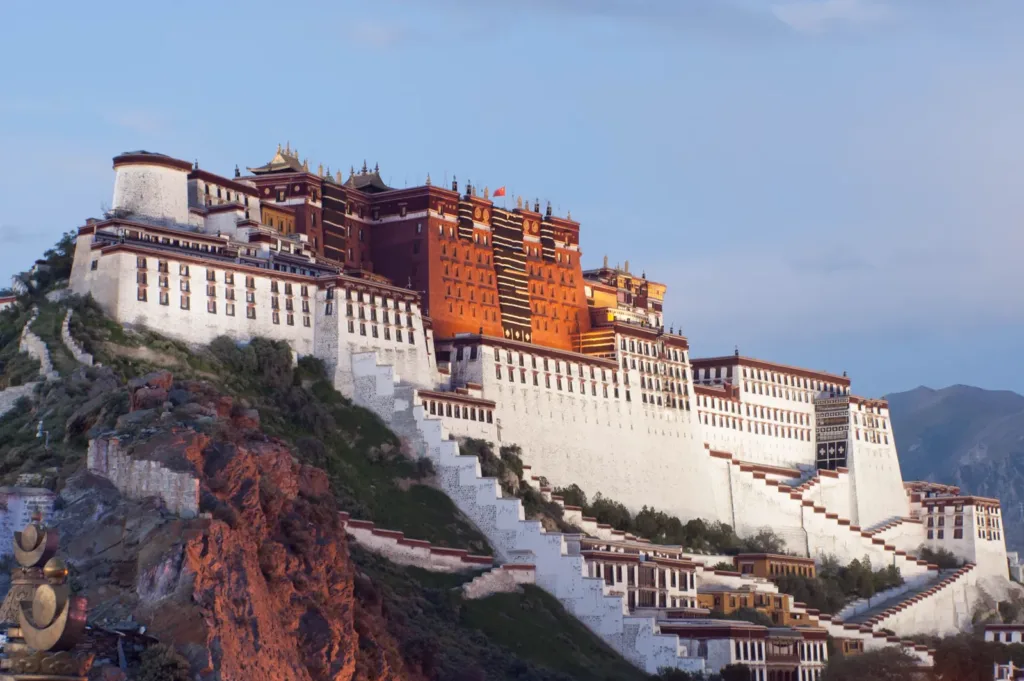
Potala Palace布达拉宫
Potala Palace, the white-and-red palace-fort on Lhasa’s Red Mountain, combines a former winter residence, Buddhist chapels, funerary stupas, murals and a steep, carefully managed visitor route at 3,700 metres.
- 2Trip.Best #2
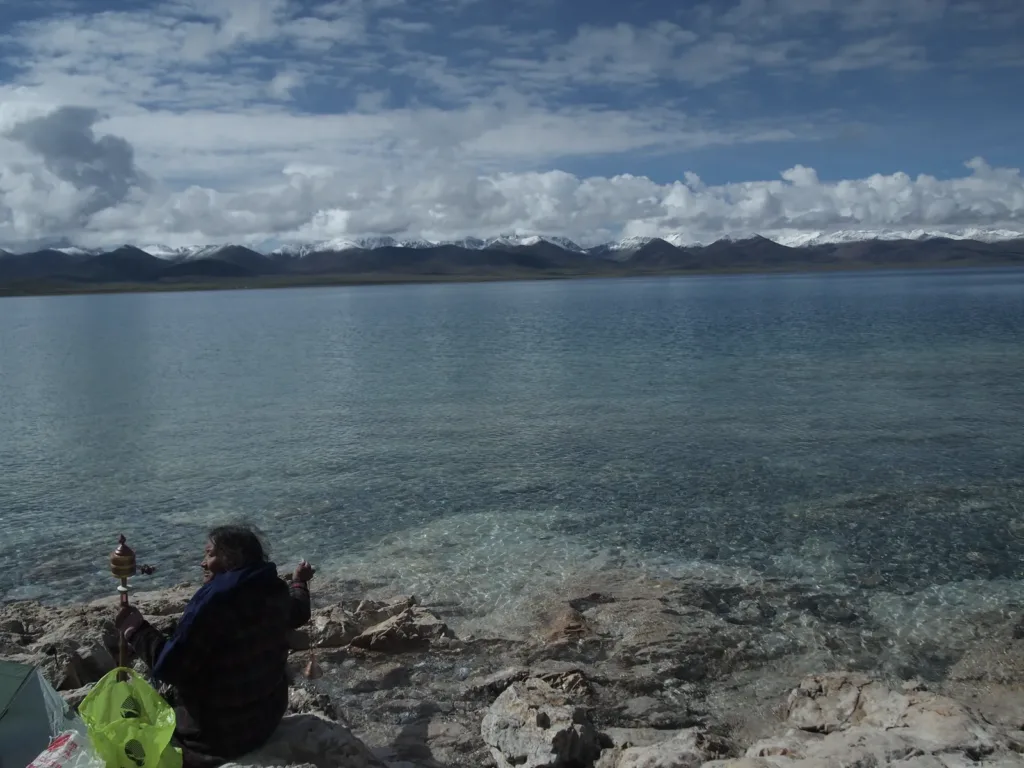
Namtso纳木错
Namtso is a high-altitude saline lake shared by Damxung County in Lhasa and Baingoin County in Nagqu, where an open rocky shore, the Nyainqentanglha snow range and the religious landscape of Tashi Peninsula meet.
- 3Trip.Best #3
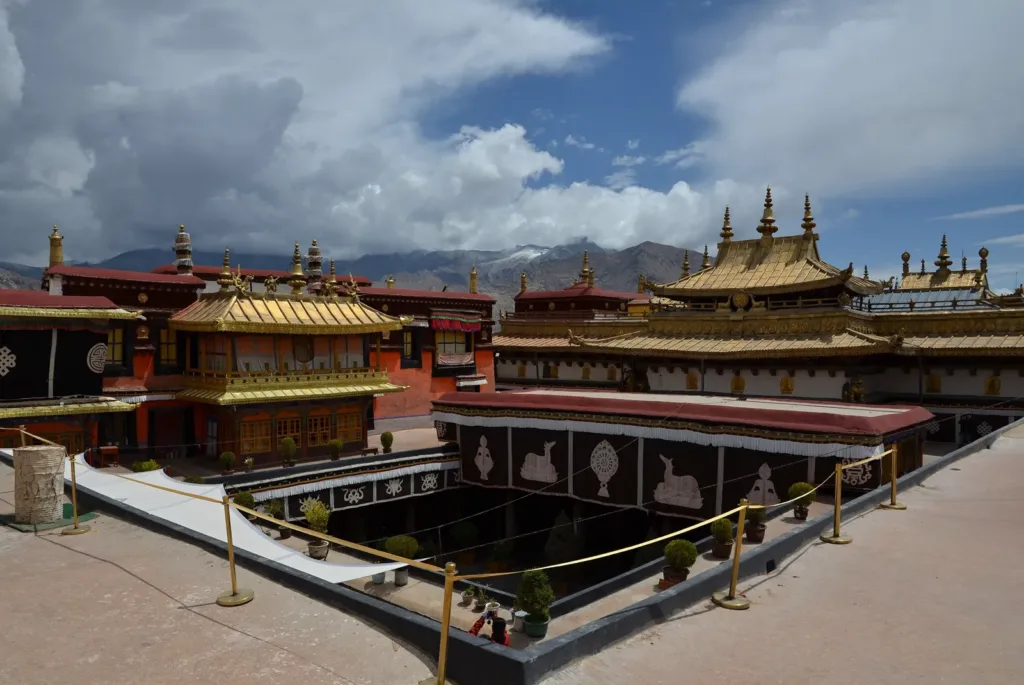
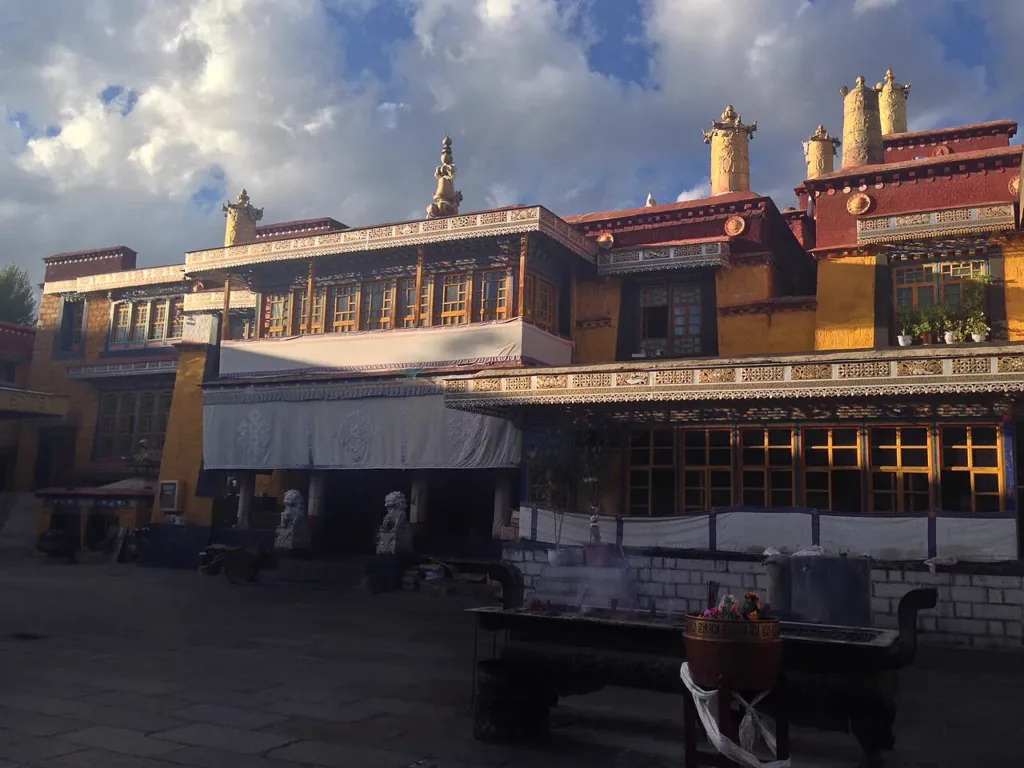
Jokhang Temple大昭寺
Jokhang Temple (Dazhao Si, 大昭寺) is Lhasa’s seventh-century Buddhist monastery at the heart of the old city. Its west-facing gilded roofline, layered shrine rooms and Jowo Shakyamuni image meet the living pilgrimage circuit of Barkhor. Visit it as an active place of worship rather than a backdrop: arrange Tibet entry approval first, reserve the temple ticket separately, and leave space for worshippers.
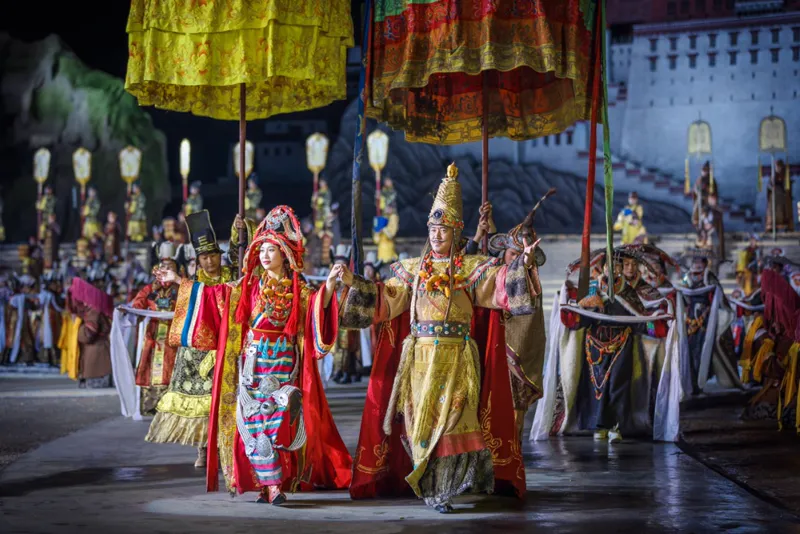 4Trip.Best #4
Princess Wencheng Drama《文成公主》大型史诗剧
- 5Trip.Best #5
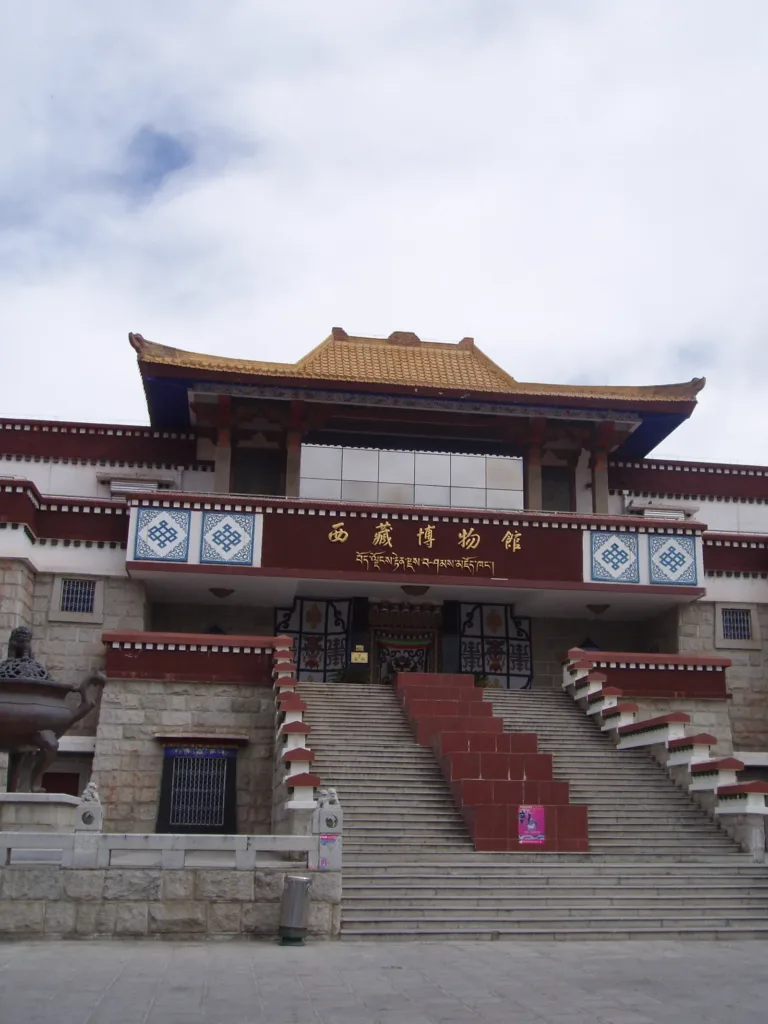
Tibet Museum西藏博物馆
The Tibet Museum is Lhasa’s clearest introduction to the plateau’s material history: its permanent galleries move from prehistoric archaeology to court documents, Buddhist art, textiles and everyday folk culture. A reconstructed dwelling and named objects make it a useful first stop before monasteries and archaeological sites elsewhere in Tibet.
- 6Trip.Best #6
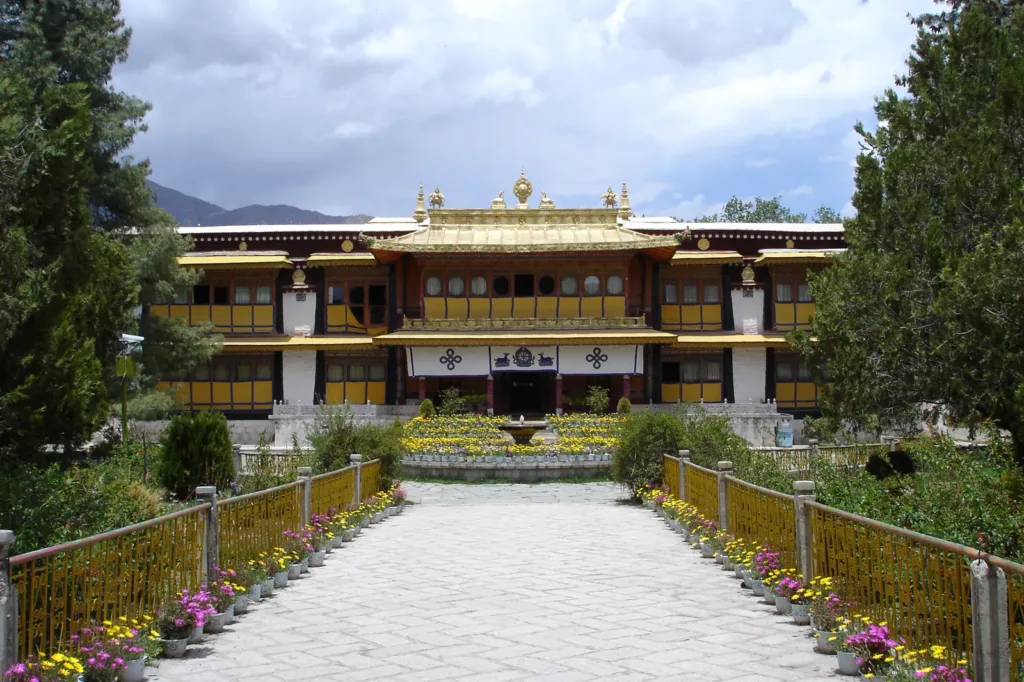
Norbulingka罗布林卡
Norbulingka is Lhasa’s former summer palace: a 36-hectare garden of palace compounds, pavilions and water features that forms the garden component of the Historic Ensemble of the Potala Palace.
- 7Trip.Best #7
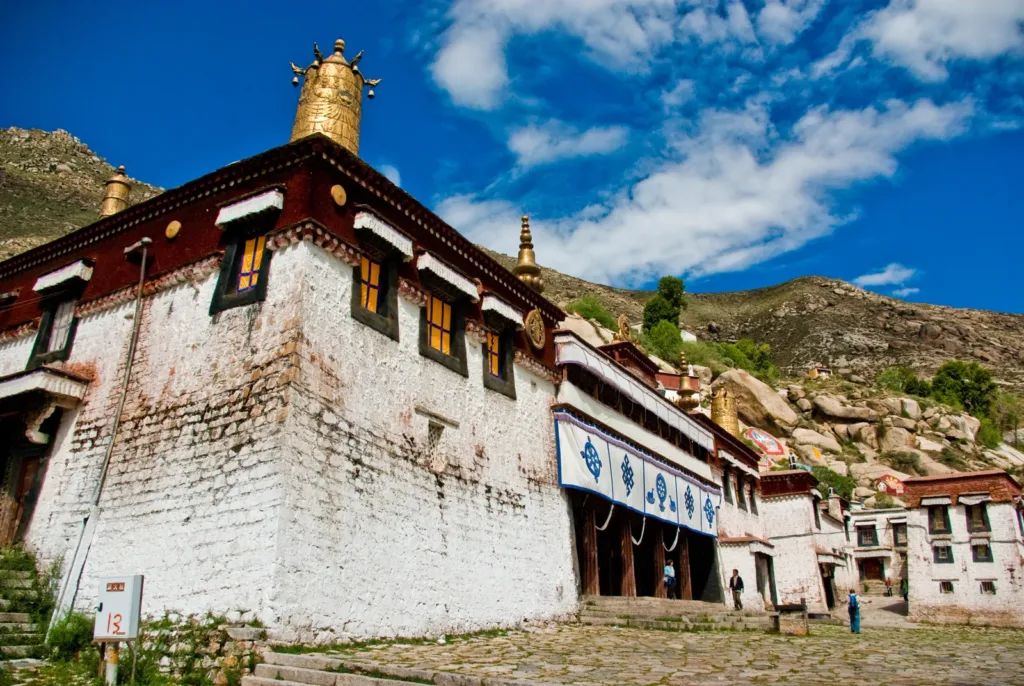
Sera Monastery色拉寺
Sera Monastery is a 15th-century Gelugpa Buddhist university on Lhasa’s northern edge. Its Great Assembly Hall, three college areas and working debate courtyard show how worship, study and residence fit into one monastic complex; come for that layered religious architecture, not only for a single photograph.
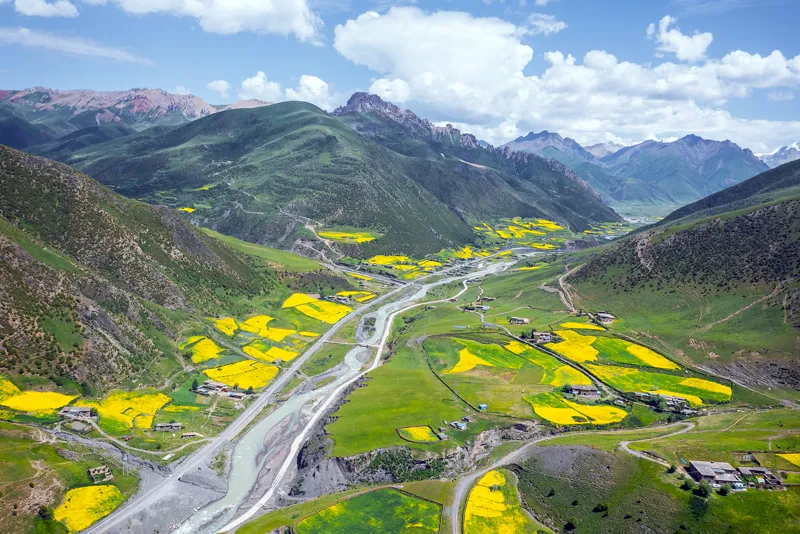 8Trip.Best #8
Sichuan–Tibet Highway川藏公路
The G318 highway east from Lhasa through Maizhokunggar towards Nyingchi and Sichuan, one of the great mountain road journeys; permits and an organised tour are required.
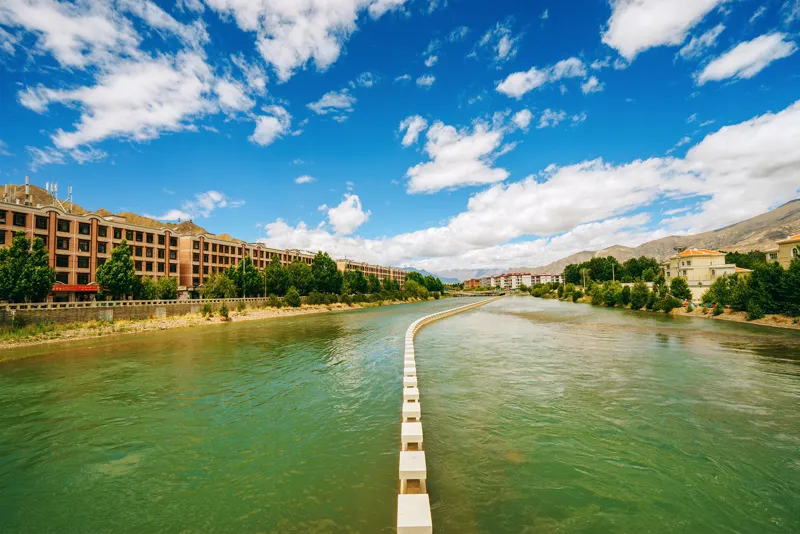 9Trip.Best #9
Lhasa River拉萨河
The river that gives the city its valley, with riverside parks and bridges south of the old town and views back to the Potala.
- 10Trip.Best #10
Zhaji Temple扎基寺
A small Gelug temple in Lhasa's Chengguan District, Zhaji Temple is known for the shrine of Zhaji Lhamo, a local protector associated with wealth. Its compact halls and offering rituals are a place to observe living Tibetan Buddhist practice—not a themed “fortune” attraction.
Lhasa travel guides
In-depth articles and itineraries for planning your time in Lhasa.
SOON
Itinerary
3 days in Lhasa: a first-timer's itinerary
How to split your days between the essential sights, neighbourhood walks and a relaxed evening, with transport tips between each stop.
Coming soonSOON
Food
Where to eat in Lhasa
Local dishes worth seeking out, how to order and what to expect.
Coming soonSOON
Transport
Getting around Lhasa by metro and taxi
Cards, apps and station tips for moving between sights.
Coming soonSOON
Day trip
Day trips from Lhasa
Plan the outward and return journeys and visiting time before mapping out your day.
Coming soonSOON
Neighbourhoods
Neighbourhood walks in Lhasa
Discover everyday Lhasa on a slow walk.
Coming soonSOON
Seasons
Choosing a season for Lhasa
See how visiting changes from spring to winter.
Coming soonLocal dishes
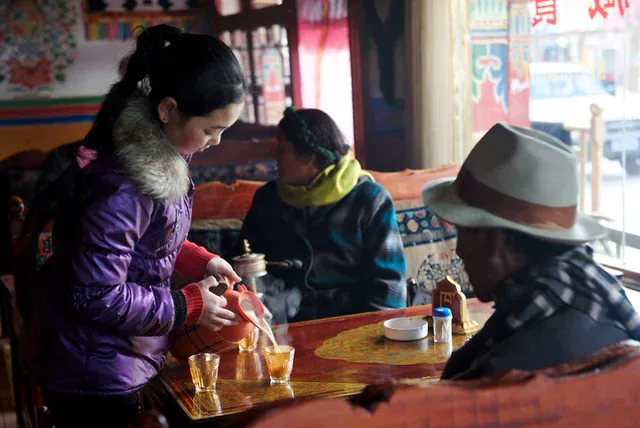
Lhasa sweet tea拉萨甜茶
Lhasa sweet tea is a hot, milky black tea sweetened with sugar and closely tied to everyday teahouse life in Lhasa, where breakfast, conversation, and unhurried time share the same table.
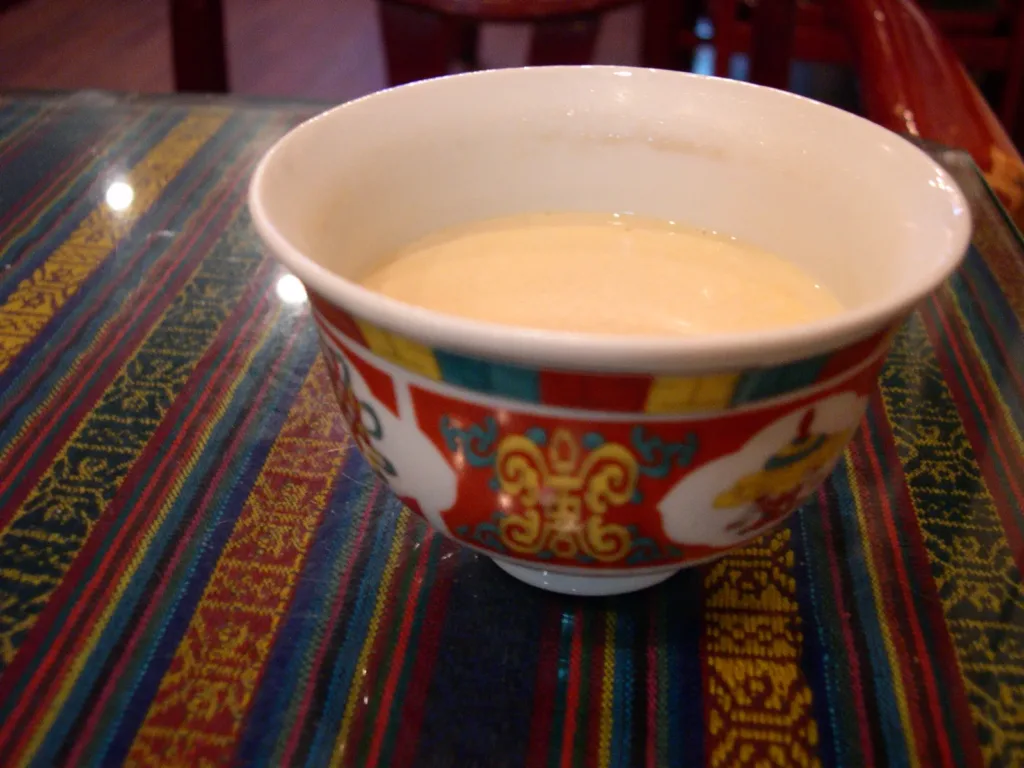
Butter tea酥油茶
Butter tea is a hot, savoury Tibetan drink made by blending strong tea with butter and salt. In Lhasa, it is a taste of everyday hospitality and a natural partner for tsampa—not a sweet milk tea and not a treatment for altitude sickness.
Tsampa糌粑
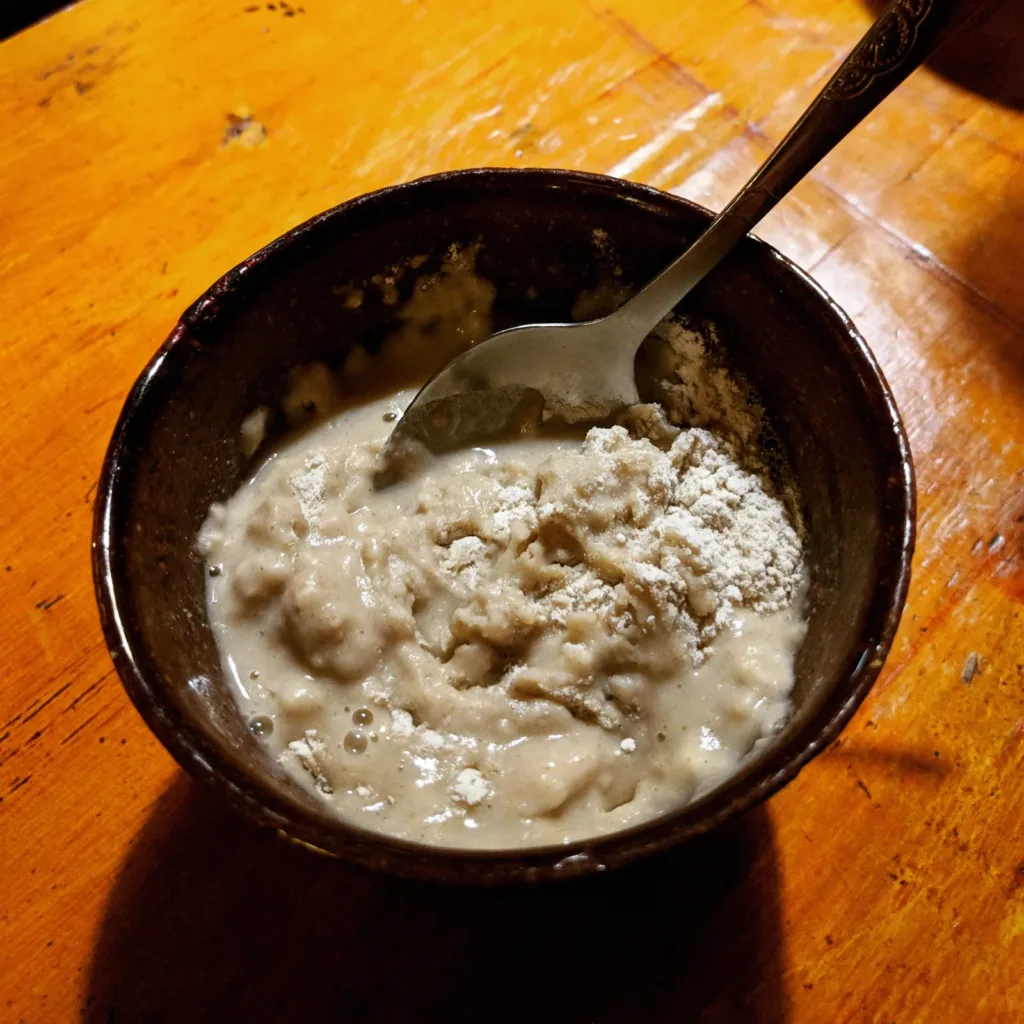
Tsampa is roasted highland-barley flour mixed to order with tea, butter or other dairy. In Lhasa, it is best understood as a staple and a way of eating: toasted, grainy flour becomes a hand-mixed dough or porridge, with local variations in grains and accompaniments.
Tibetan broth noodles藏面
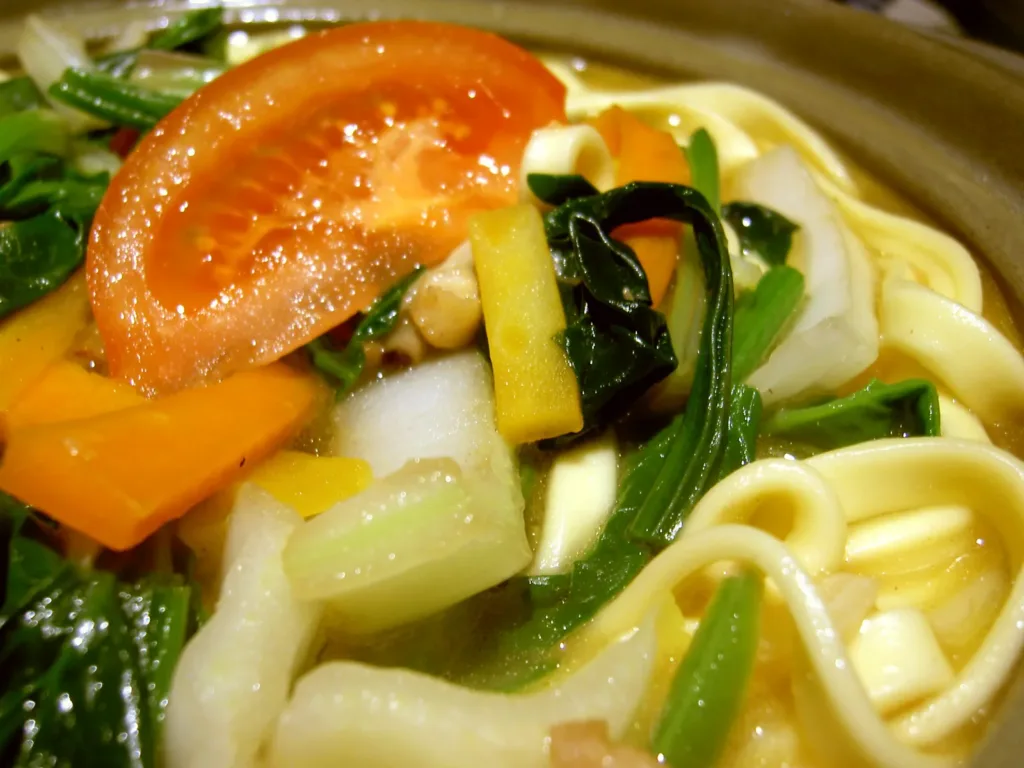
Tibetan broth noodles, or 藏面 (Zangmian), are a familiar Lhasa tea-house breakfast: pale, alkaline wheat noodles served in hot yak-bone or beef broth, commonly finished with diced meat and scallion. The bowl is simple, but it is also a way into the everyday rhythm of Lhasa’s tea houses.
Lhasa meat-filled momo拉萨藏包子
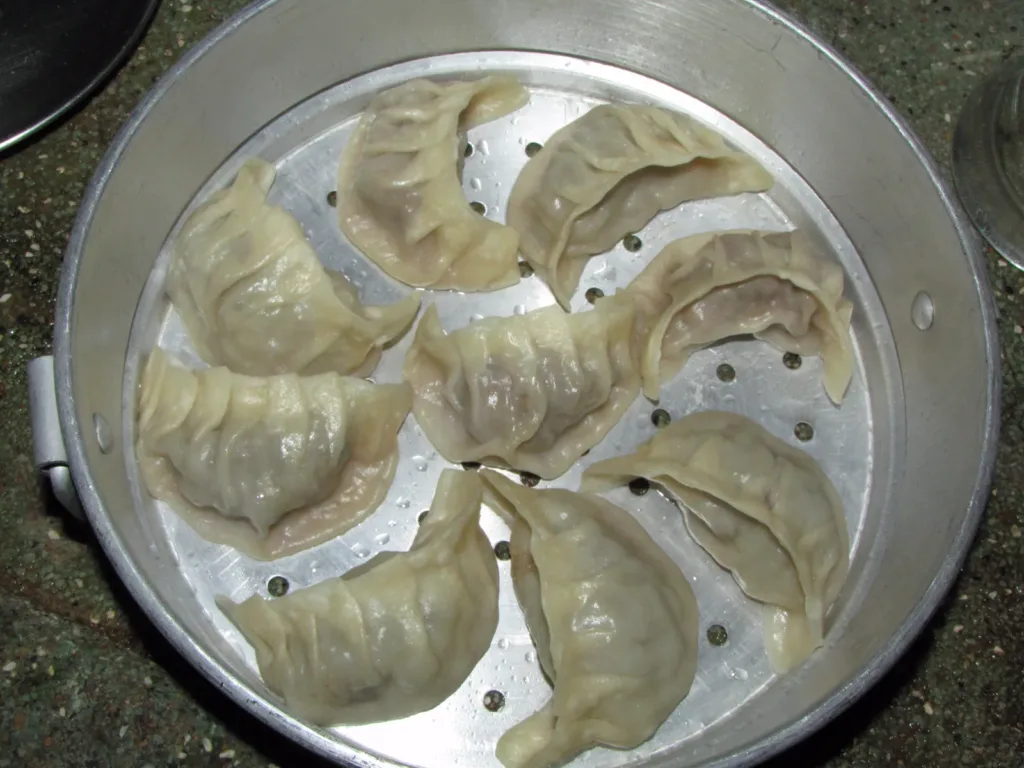
Lhasa meat-filled momo, known locally as Xia momo (夏馍馍) or zang bao, are Tibetan steamed dumplings with an unleavened wheat wrapper and a juicy meat filling. In Lhasa, they are a practical way to taste Tibetan home-style food: ask what meat is used, then try the first dumpling before adding chilli sauce.
Tibetan Steamed Dumplings藏式包子
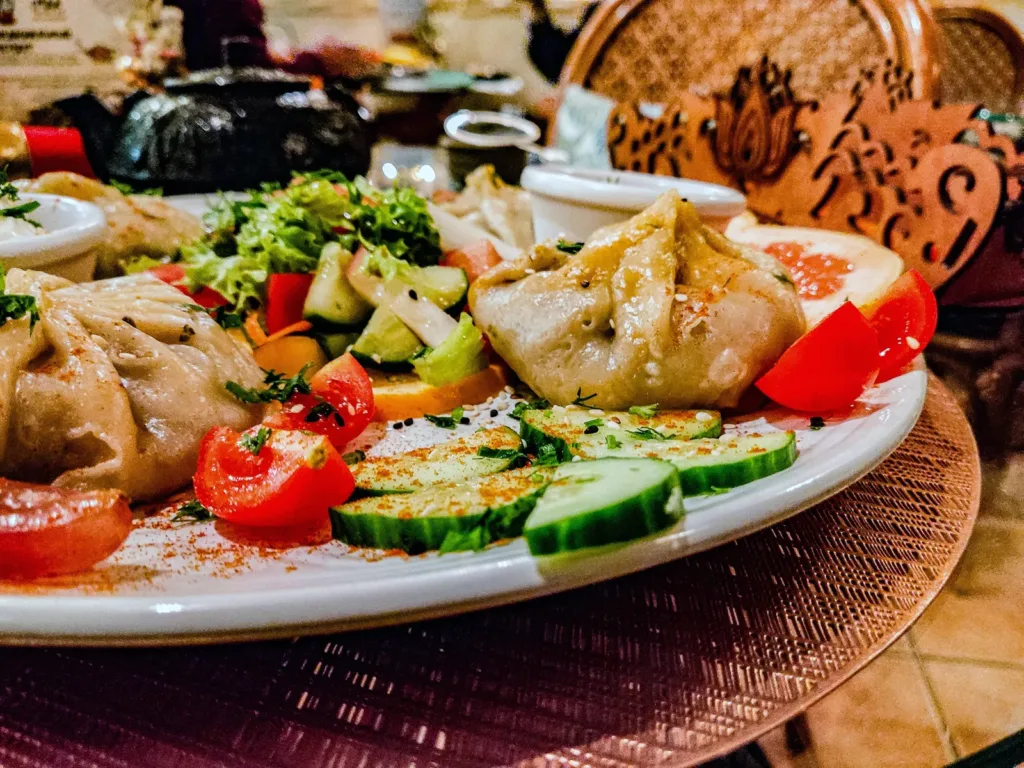
Tibetan steamed dumplings (藏式包子, also described as 藏包 or 夏馍馍) are pleated steamed parcels usually filled with finely chopped yak meat. Their juicy filling, restrained seasoning, and usual pairing with bone broth and Tibetan chilli make them a useful introduction to everyday Tibetan cooking rather than a fixed restaurant speciality.

Yak Meat Hot Pot牦牛肉火锅
Reference photo of a similar dish · 同类菜品参考照片In Lhasa, yak meat hot pot is a shared Tibetan meal built around yak, a long-simmered bone broth and a changing selection of vegetables; the copper pot, dipping sauce and way of finishing the broth make it more than a generic hot pot.
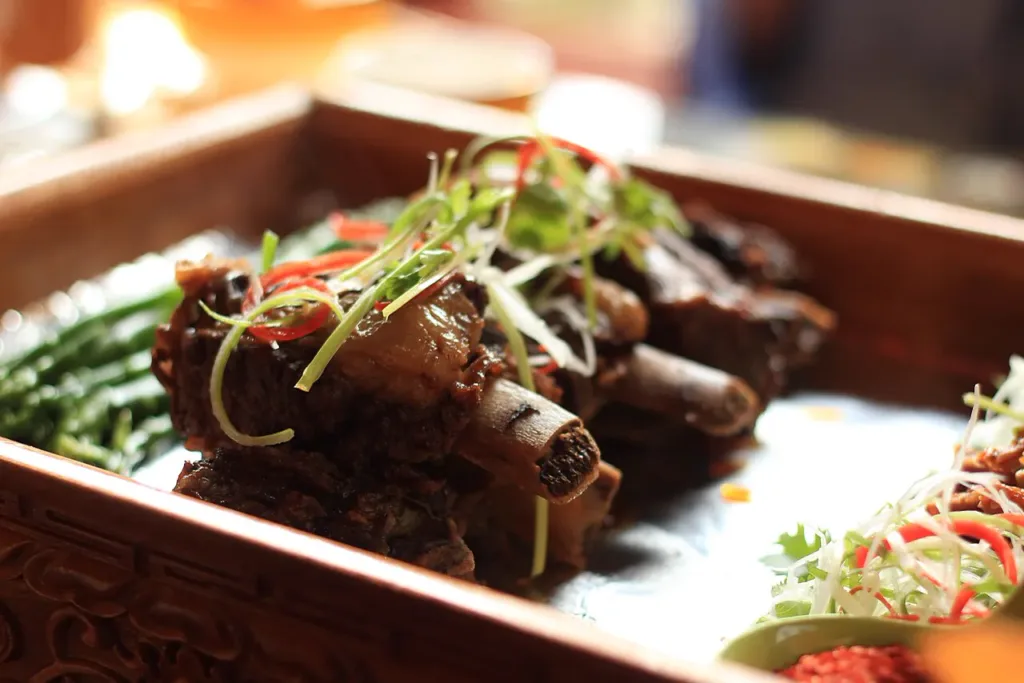
Yak Meat Stewed with Radish萝卜炖牦牛肉
Yak Meat Stewed with Radish is a simple Tibetan-style shared stew of yak beef and white radish (daikon). In Lhasa it is best approached as a regional, home-style dish rather than a recipe with one fixed restaurant or a claim of Lhasa-only invention: the meat, broth and seasonings can change from kitchen to kitchen.
Arrival, stays & getting around
Arrive, stay & get around Lhasa
Check the precise airport or station name on the ticket before arranging the final transfer to your hotel.
Your arrival gateway
Lhasa 拉萨
Transport gateways for Lhasa. Gonggar airport is in Gonggar County, Shannan, about an hour by road from the city. Lhasa Railway Station and Liuwu Coach Station are side by side in Liuwu, across the river from the old town; there is no metro.
Airports
Lhasa Gonggar International Airport
拉萨贡嘎国际机场
Lhasa's airport, in Gonggar County, Shannan, on the south bank of the Yarlung Tsangpo, about an hour by road from the city. Airport buses run to the Civil Aviation ticket office at 1 Niangre Road and to Liuwu; tour agencies usually arrange transfers.
Railway stations
Lhasa Railway Station
拉萨站
The terminus of the Qinghai–Tibet Railway and the Lhasa–Nyingchi line, in Liuwu south of the Lhasa River. City buses 86 and 89 and taxis cross Liuwu Bridge to the centre. Tickets are real-name and foreign travellers need their Tibet permit.
Metro & city transport
Lhasa city buses
拉萨公交
Lhasa has no metro. City buses link the old town, the Potala, the monasteries and Liuwu; taxis are plentiful. Most visitors move with their tour vehicle.
Bus stations
Lhasa Liuwu Coach Station
拉萨柳梧汽车客运站
The intercity coach terminal at 1 Zhanqian Road, beside Lhasa Railway Station, with long-distance coaches and an airport bus. Check the current schedule and your permit route before travelling.
More about getting around
Lhasa Gonggar International Airport is in Gonggar County, Shannan, about an hour by road south-west of the city. Lhasa Railway Station is in Liuwu across the river, served by Qinghai–Tibet and Lhasa–Nyingchi trains, with Liuwu Coach Station beside it. There is no metro; use buses, taxis or your tour vehicle.
Transport reference review: 2026-10-23. Consult the operator for current services and timetables.
Accommodation
Stay in Lhasa
Stay in the old town near the Barkhor for walking access to the Jokhang and the pilgrim circuits, around Beijing Middle Road for the Potala and Norbulingka, or in the newer districts to the east and west for larger hotels; Liuwu is convenient only for early trains.
Find hotels on Trip.com ↗Change your destination, dates and guests on Trip.com.
Weather
Lhasa weather
Loading the current-hour forecast…
A high-plateau climate with strong sunshine and thin air. Days are mild from May to October, when most rain falls in short summer showers, while nights are cold and winters are dry and frosty. The sun is intense all year: bring sun protection and warm layers.
Seasons & when to go
Check the city forecast ↗Bookings & travel
Make your travel plans a reality
Stays
Find hotels in Lhasa on Trip.com
Change your destination, dates and guests on Trip.com.
Find hotels on Trip.comWhy I recommend Trip.comFlights
Search for flights on Trip.com
Change your destination, dates and passengers on Trip.com.
Search flights on Trip.comWhy I recommend Trip.comTrains
Search for trains on Trip.com
Change your stations, travel date and passengers on Trip.com.
Search trains on Trip.comWhy I recommend Trip.comCars
Browse car rentals on Trip.com
Change your pick-up location and rental dates on Trip.com.
Open Trip.comWhy I recommend Trip.comActivities
Explore activities on Trip.com
Change your destination, dates and participants on Trip.com.
Explore activities on Trip.comWhy I recommend Trip.comFood
Explore local food guides
Browse local dishes, breakfast ideas, snacks and regional cooking.
Explore food guidesWhat to eat in LhasaWritten by China Revealed · Editorially updated 2026-10-23
Maps & transport note
Transport suggestions on this site may be inaccurate or out of date. Confirm your exact destination, visitor entrance, current route and return connection before setting off.
For travel in mainland China, we recommend Amap (高德地图) or Apple Maps (苹果地图) for checking local directions. Both support English. Keep the Chinese place name and full address handy, and compare the result with the venue or transport operator’s latest information.
Do not rely on Google Maps or another overseas map as your only route check for mainland China. Map coverage and features vary, and no app can guarantee an error-free route.
Amap’s English interface depends on the app version and store region. Apple Maps follows your device or app language settings; some place labels may remain in Chinese. Apple states that its map service in China uses AutoNavi (Amap). Features differ in Hong Kong, Macao and Taiwan.
Information checked 2026-09-07.Photo credits (5)
Sources & useful links (6)
- Lhasa Municipal Bureau of Statistics: 2025 statistical communique
- UNESCO World Heritage Centre: Historic Ensemble of the Potala Palace, Lhasa
- Tibet Autonomous Region Government: Lhasa Gonggar International Airport travel guide (Spring Festival 2026)
- China Railway 12306: Lhasa Station guide
- GOV.UK: China travel advice, regional risks (Tibet)
- Trip.Best: Best Things to Do in Lhasa