

Things to Know Before Traveling to China

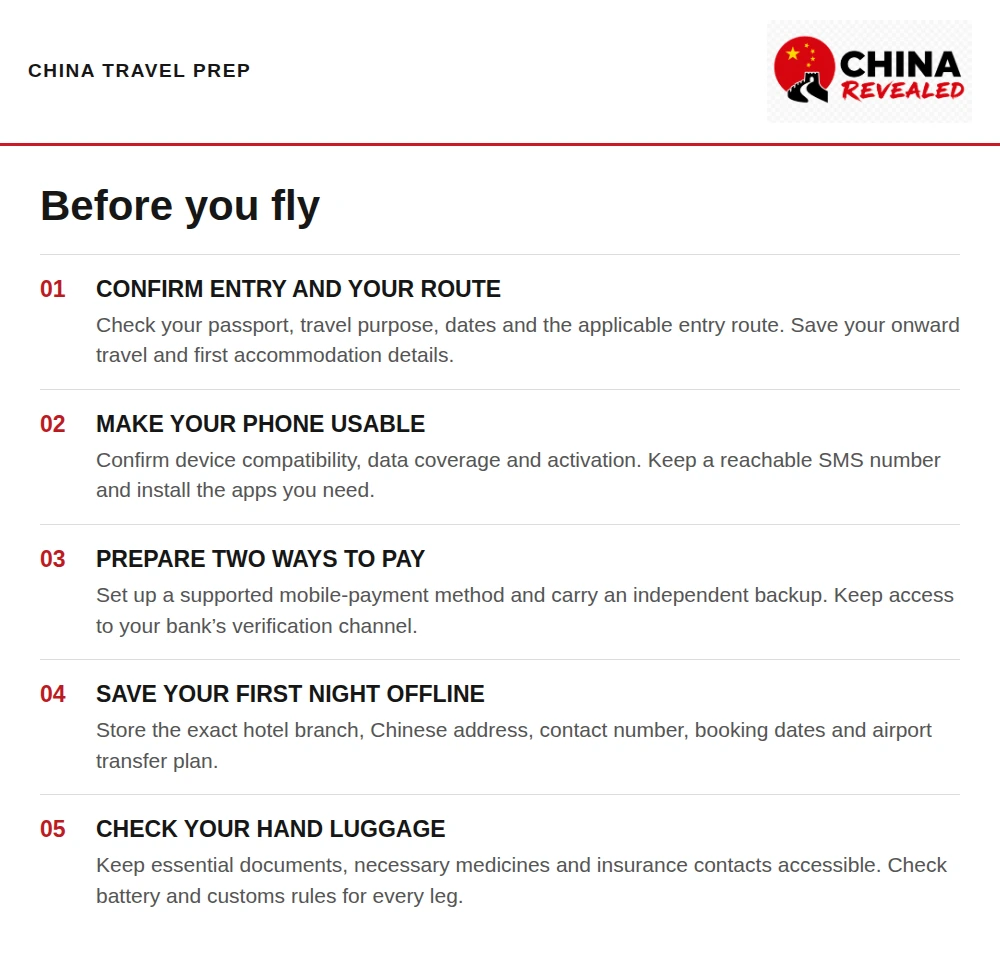
Before traveling to China, confirm your entry route, set up mobile payments with a backup, and arrange both internet access and a reachable number for verification codes. Save your first hotel’s Chinese address and airport transfer plan offline; those preparations make the first day much easier.
By China Revealed · Checked October 20, 2026 · Mainland China
Quick takeaways
- Start with your passport and your exact itinerary. Visa-free entry, a mutual visa-exemption agreement, 240-hour visa-free transit, and a tourist visa are different routes with different conditions.
- Use the passport you will actually carry. Match its surname, given names and number to your bookings, and follow each service’s name-format instructions.
- Use a two-layer setup for money and connectivity. A payment wallet and a data plan are useful; an independent backup card, a way to receive SMS, and a little cash keep one failed step from stopping the day.
- Book fewer bases, not more stops. For a first 10–14-day trip, two or three main cities is a sensible starting point. Count door-to-door transfer time, not just a train or flight duration.
- Save operational details offline. Hotel address in Chinese, booking numbers, passport scans, ticket QR/details, insurance assistance number, and one emergency contact are more valuable than a long list of attractions.
In this guide
- 1. Choose dates, cities, and a realistic pace
- 2. Clear entry before you buy non-refundable travel
- 3. Build the phone, SMS, and app setup
- 4. Set up payments, cash, and a recovery plan
- 5. Pack for the flight and for actual disruptions
- 6. Book trains, attractions, and airport transfers the right way
- 7. Confirm the hotel—including a midnight arrival
- 8. Make departure day and your first day simple
1. Choose dates, cities, and a realistic pace
A China itinerary succeeds when it has slack. For a first visit of roughly 10–14 days, begin with two or three main bases; on a shorter trip, one city plus nearby places can be better. Count transfer time from hotel to hotel: station or airport journey, security, waiting, arrival transfer, and check-in.
Compare door-to-door time, not vehicle time. If high-speed rail is about three or four hours or less, compare it first; for longer routes, compare a direct flight after adding airport transfers, check-in, baggage, and weather risk. Do not place an inflexible booking straight after a domestic arrival.
China has several climate zones: southern rain seasons extend from spring into early autumn, the Yangtze region has an early-summer rainy period, northern areas can have intense summer rain, and parts of the southwest can be wet in early autumn. Check short-range forecast and alerts for each city, pack layers and rain cover, and keep one outdoor day movable.
Spring Festival, May Day, National Day, summer weekends, and popular school-break periods can concentrate demand. Price your actual hotel location, date, attraction slot, airport transfer, and cancellation terms—not a national “daily China budget.” Lock in scarce elements first and leave a buffer around the consequential transfer.
Do not treat predicted future holiday make-up workdays or break lengths as confirmed. Check the official holiday announcement when it is published, then recheck opening hours, railway inventory, and attraction reservations for your chosen dates.
| Planning decision | Best working rule | Failure backup |
|---|---|---|
| First trip length | Use 1 base for a short trip; start with 2–3 bases for about 10–14 days. | Remove a city before cutting all rest or transfer buffer. |
| Train versus flight | Compare hotel-to-hotel time, not vehicle time. | Choose the option with a workable cancellation/change policy when weather matters. |
| Holiday dates | Treat peak periods as capacity problems, not fixed price percentages. | Reserve lodging and crucial long-distance transport early; keep a nearby alternative. |
| Weather | Check city-specific forecast and alerts near departure. | Shift outdoor sights to the next suitable day rather than forcing a mountain or coast visit. |
2. Clear entry before you buy non-refundable travel
Confirm your entry route before making non-refundable bookings. Use the nationality and type of passport you will actually carry, your purpose of visit, every arrival and departure point, and the number of days in mainland China. Do not use a friend’s experience, a blog title, or a prior trip as the decision rule.
Visa-free entry is not one policy
Three different visa-free routes sit alongside the standard visa application route:
| Route | What it is | What to verify before travel |
|---|---|---|
| Unilateral visa-free entry | A China policy for listed nationalities holding ordinary passports, generally for permitted purposes such as tourism. | Your nationality, ordinary-passport status, allowed purpose, current expiry date, and the per-entry stay limit. The current policy is generally up to 30 days per entry for eligible travellers. |
| Mutual visa exemption | A bilateral agreement between China and another country. | The agreement’s passport categories and stay rules. Some agreements do not cover every ordinary passport, and their limits are not automatically the same as the unilateral policy. |
| 240-hour visa-free transit | A transit arrangement, not a general 10-day visa waiver. | Eligible nationality, a confirmed onward ticket with date and seat to a third country or region, eligible entry port, permitted activity, and the specific area where you may stay. |
| Visa, such as an L tourist visa | The normal route if you do not fit a visa-free path, will stay longer, or have a different purpose. | The current requirements of the Chinese embassy or visa centre serving your jurisdiction—not another country’s checklist. |
For the 240-hour route, the onward journey must be confirmed, not merely intended. Eligible travellers enter through a listed port and may stay only in its permitted area for up to 240 hours; that area is not always an entire province. Check the current National Immigration Administration transit policy against the exact port and itinerary before ticketing.
For example, an eligible route from Tokyo through mainland China to Seoul can be transit to a third country; Tokyo–mainland China–Tokyo is not that same onward-to-a-third-country arrangement. The nationality, ports and permitted area must still qualify.
If you are planning a trip in 2027, check the policy’s expiry for your nationality again: many unilateral arrangements in force when this guide was checked run only to December 31, 2026. Do not assume they have been extended. Passport-validity requirements also depend on the entry route and consular or carrier instructions, rather than one generic six-month rule.
A 24-hour direct transit is different: it is generally for passengers remaining in the restricted port area with confirmed international onward travel. Do not plan a city visit by treating it as 240-hour transit.
Hong Kong and Macao have separate border controls from mainland China. They can be the third country or region in a transit itinerary, but they have their own entry requirements. Leaving mainland China ends that entry; returning needs a valid visa entry or eligibility for a new visa-free entry, not an automatic extension. For mainland China–Hong Kong/Macao–mainland China or repeated crossings, show the full sequence to the operating airline and confirm it with NIA 12367. The airline decides boarding documentation; border inspection decides admission.
If your route includes the Tibet Autonomous Region, arrange the required permit and organised travel with a specialist operator before booking transport; mainland entry eligibility is not that permit.
If you need a visa, apply for the purpose that matches the trip: tourism permission is not permission to work. Tourist applications commonly use return/onward and hotel material or an invitation, but the list is jurisdiction-specific. Start with our China visa and entry guide for foreigners and then follow your consular authority.
Complete the arrival card without paying a middleman
Foreign travellers can fill the Arrival Card ahead of time through the free official NIA Arrival Card Filling service and other official NIA channels. Save the confirmation details. If you did not do it before flying, use the official QR code or device at the port, or complete the paper card. A dead battery, missing data connection, or an unsuccessful online form is a reason to use the airport fallback—not a reason to pay an unofficial site.
Most individual first-time visitors should expect to complete it. Certain categories, including 24-hour direct-transit passengers who do not leave the restricted area, may be exempt; that exception does not automatically apply to a 240-hour transit visitor.
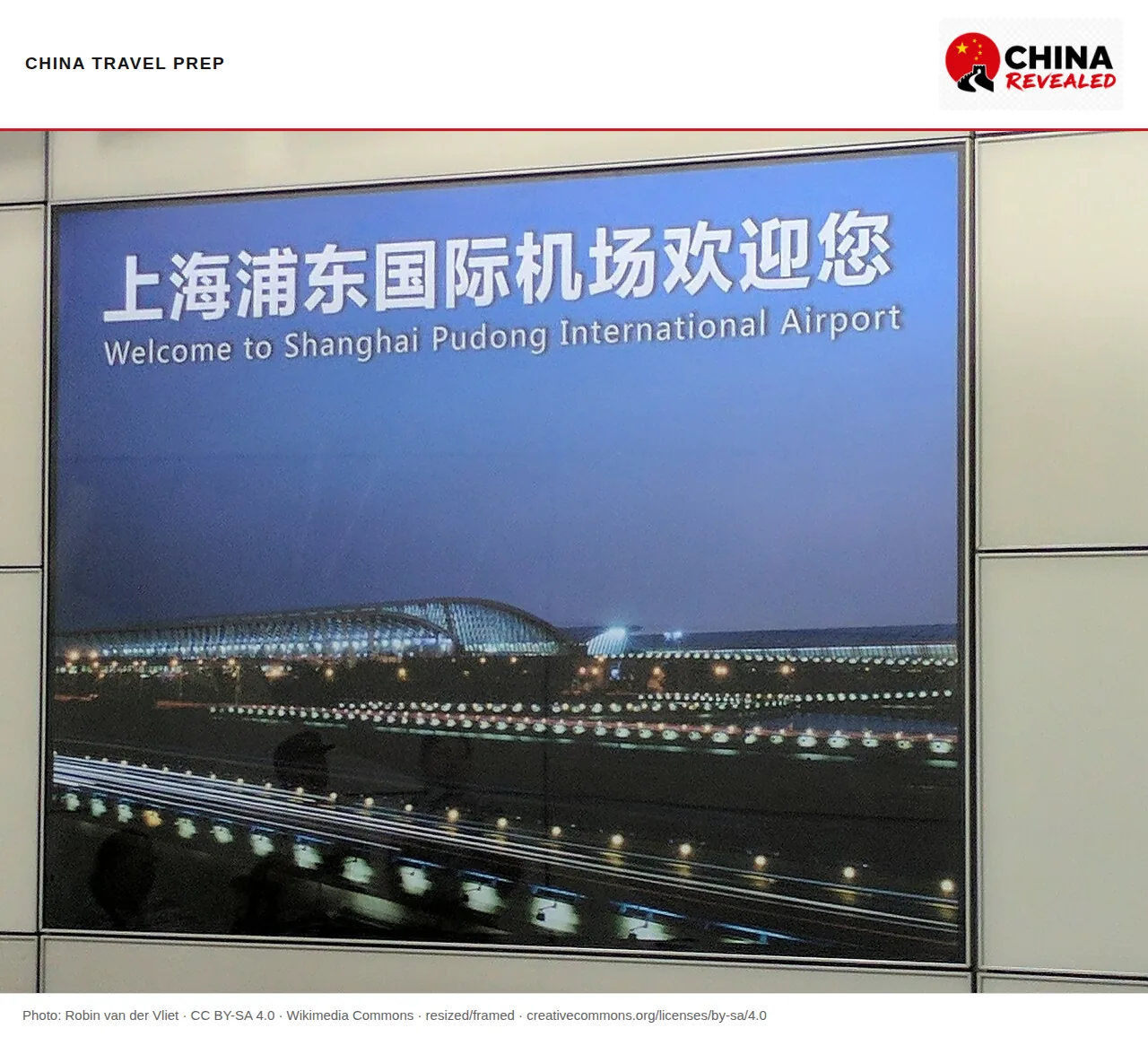
Bring a compact entry folder: passport, onward itinerary, first hotel details, key domestic bookings, and any supporting invitation or route evidence relevant to your entry basis. Keep copies offline as well as in email. It makes questions at airline check-in or border inspection much easier to answer clearly.
3. Build the phone, SMS, and app setup
Set up your phone before you need it to pay, find a driver, or receive a railway code. You need two separate capabilities: data access and reliable access to the phone number that receives verification messages.
Choose one primary connection method:
- International roaming keeps your existing number, which can be useful for bank and account SMS. Ask your home carrier about China coverage, activation, data cap, voice/SMS charges, and handset compatibility.
- A travel eSIM can be convenient for data without changing a physical SIM. It does not automatically include a +86 mainland number, voice calling, or mainland SMS. Read the exact plan: only a plan that explicitly includes a local number and voice/SMS should be assumed to provide them.
- A mainland physical SIM can provide local service but is registered in person. Take your original passport to a larger carrier shop and expect the procedures, packages, and extra identity steps to vary by location.
Before buying an eSIM, verify your exact device model, regional version, eSIM support, and carrier lock status. Local Chinese carrier eSIM rules are not a rule for every international travel-data eSIM.
Google services, WhatsApp, YouTube, Facebook and X can be unavailable on mainland local networks. Do not assume any particular roaming plan or travel eSIM will make every service work. Arrange a reachable contact channel before flying. Save route screenshots, the Chinese hotel address and transport confirmations, and download Simplified Chinese offline translation data.
Install a small, tested app stack
| Need | Recommended setup before flying | If it fails in China |
|---|---|---|
| Maps | Install AMap / 高德地图, set English if available, and save Chinese hotel/venue names. See our AMap guide for foreigners. | Show the saved Chinese address to hotel staff, a driver, or a station agent. |
| Ride-hailing | Install DiDi China, verify your international number, add payment, and test the login. | Use the official app’s help, an airport taxi desk, or hotel help—never a random driver solicitation. |
| Payments | Install Alipay and WeChat from official app stores; complete the requested profile and card steps while you still have home support. | Use another card, cash, or a card-accepting merchant. |
| Rail | Register on 12306’s English site and start passport verification early. | Use the official website or a staffed railway ticket office with the original passport. |
| Translation | Download a trusted app and Simplified Chinese offline language data. | Use saved short Chinese phrases and addresses rather than relying on a live connection. |
For payment and railway accounts, an overseas number can work only if it receives the verification SMS. Test it before departure: a data-only eSIM or a wallet showing “card added” does not prove that a timed bank or railway identity step will succeed.
For a deeper comparison of the connection choices, see China SIM vs eSIM.
4. Set up payments, cash, and a recovery plan
Use a layered payment arrangement: a mobile wallet with a foreign card, a second physical card, and modest RMB cash. Registration does not mean every merchant, QR code, amount, or bank authorization will work.
Use official Alipay and WeChat/Weixin Pay apps, complete the requested identity steps, and enable international/online use with the issuing bank. Weixin Pay can use an international number that receives SMS and may request passport information. Before flying, make sure the wallet opens, the card is attached, and codes arrive.
On arrival, make one small normal-merchant purchase and check merchant, RMB amount, chosen card, app order, and bank authorization. Use merchant payment flows only: a QR code is not automatically a safe or supported personal transfer, and foreign-card functions may exclude transfers and red packets.
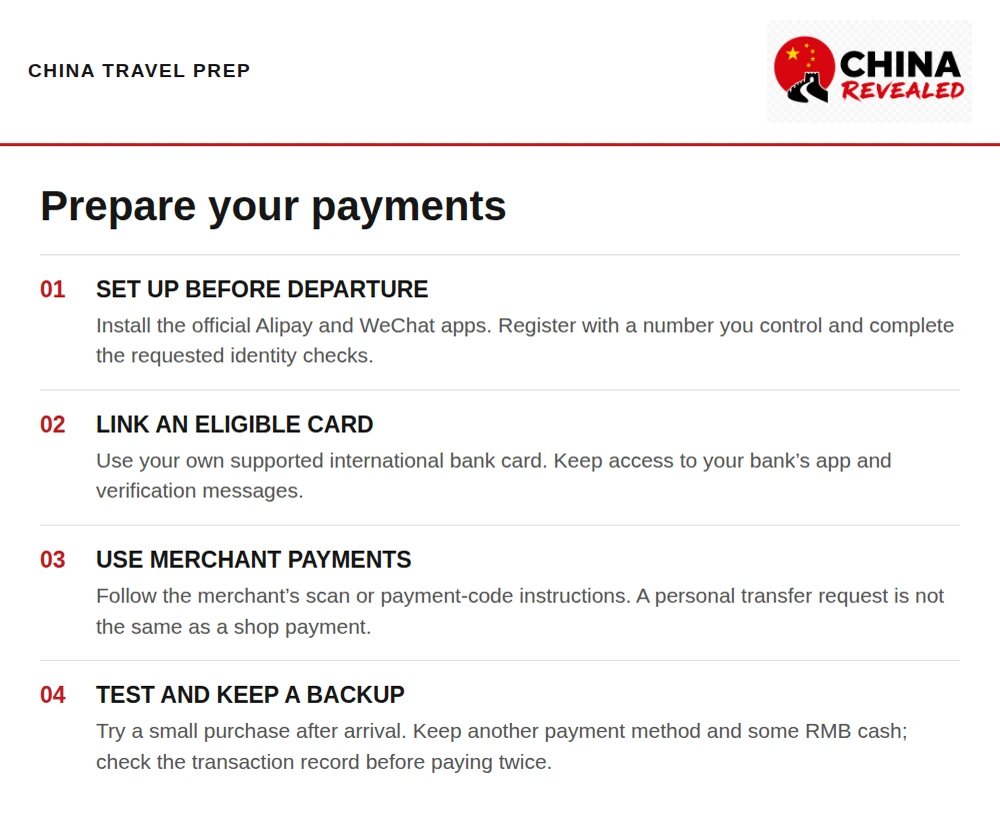
Fees and limits vary by app, card network, merchant, and issuer. Check the confirmation screen. As checked for this guide, Weixin Pay’s international-card help says transactions above RMB 200 carry a 3% transaction fee; verify the current policy in your app and do not apply it to Alipay, domestic cards, or bank exchange charges.
Cash is a backup, not an obsolete idea
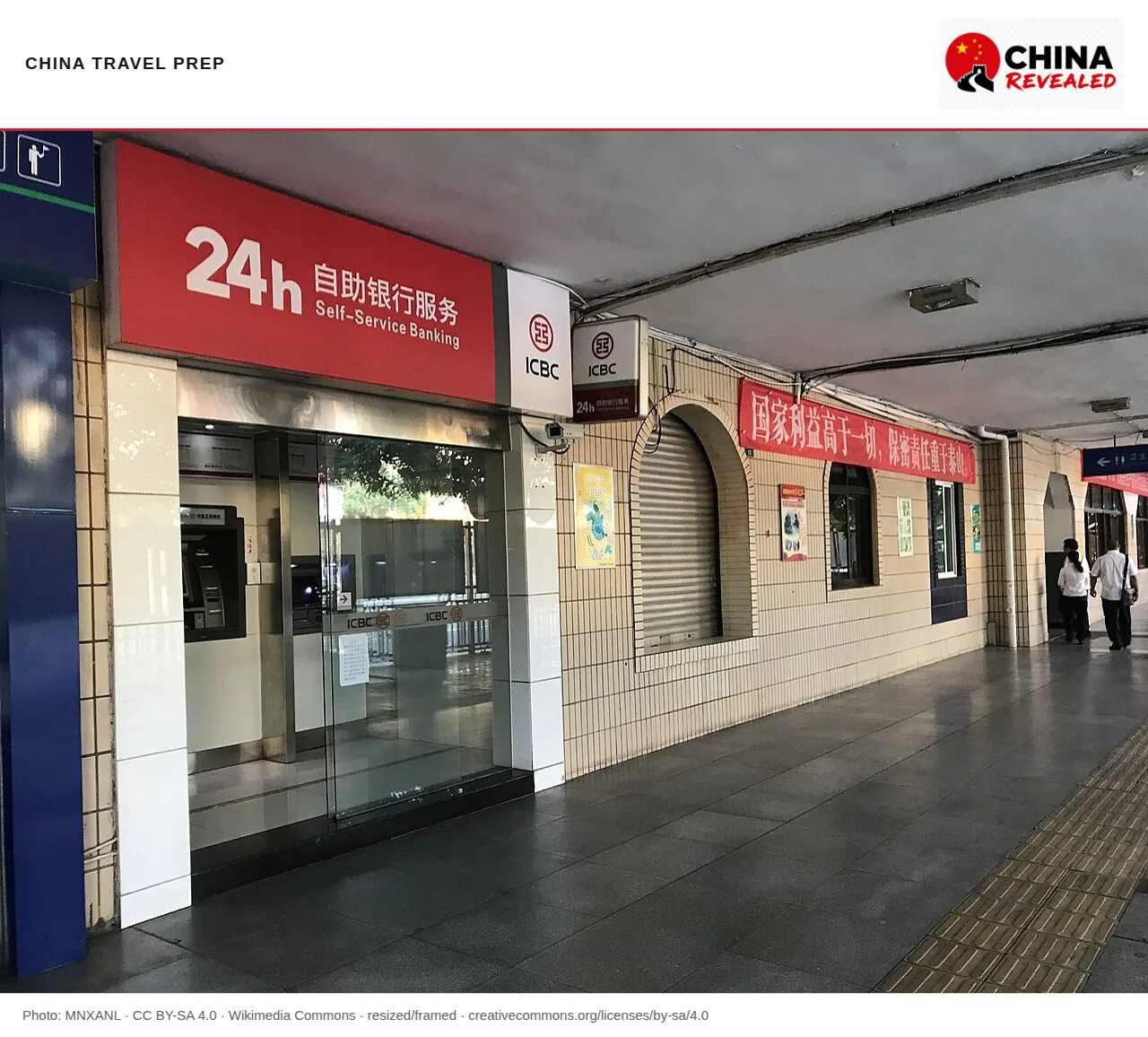
Cash helps when a wallet registration, merchant QR, foreign-card acceptance, network signal, or bank authorization fails. You may be able to withdraw RMB from ATMs that display your card network’s acceptance mark, or exchange cash through a suitable bank or authorised exchange service. Availability, currencies, and opening hours vary, so do not depend on one specific machine.
There are border-cash rules too. As checked, a traveller generally carrying more than the equivalent of US$5,000 in foreign cash into China must make a written declaration; RMB cash is generally limited to RMB 20,000 per person per entry/exit, with separate rules for some frequent short-term crossings. These are declaration/transport rules, not a recommendation to carry that amount. Check the current customs requirement if you may exceed it.
When payment fails, slow down:
- Look at the wallet order and the bank authorization before trying again. A pending or unclear status can become a duplicate charge if you repeat it.
- Ask the merchant to check the order using the transaction details.
- Try the backup card, a physical card where accepted, or cash.
- If a charge is wrong, keep the order number, receipt, amount, time, and merchant name. Request a refund from the original merchant first, then follow up through the wallet and card issuer with the transaction record.
A refund is not the same as a reversed authorization, and there is no universal arrival time. Keep the evidence and use the merchant, wallet, then issuer support route that fits the problem.
5. Pack for the flight and for actual disruptions
Keep passport, booking documents, medicines, charger, insurance information, a small RMB reserve, and a change of clothes in cabin baggage. For a domestic connection, check every operating carrier’s rules.
Power banks: capacity is only the first check
Power banks belong in carry-on, never checked baggage. Up to 100Wh normally needs no approval; above 100Wh and up to 160Wh needs airline approval and is limited to two per passenger; above 160Wh is prohibited. Unclear markings can be refused, and do not use a power bank to charge devices during the flight.
For China domestic flights, since June 28, 2025, power banks without a clear CCC/3C mark, with unclear markings, or in a recalled model/batch are prohibited. This announcement is explicitly for domestic flights, so check the operating carrier for every international leg. Verify recall status by exact model, batch, or serial number.
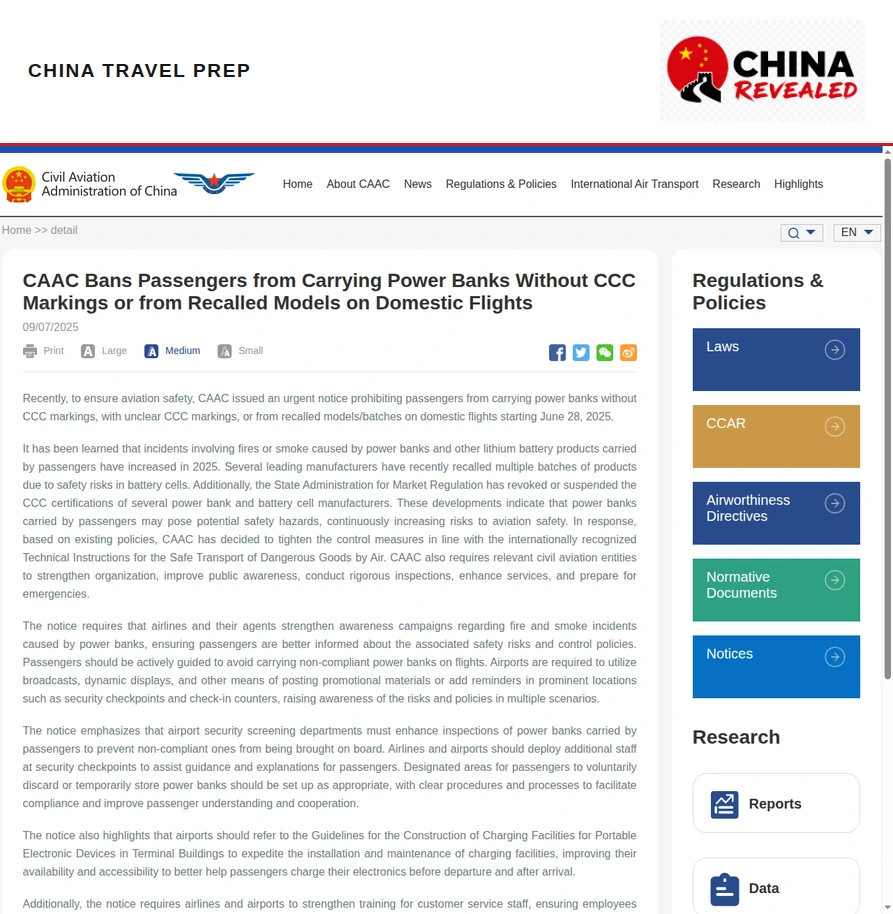
Have a no-power-bank fallback: charge the phone fully, keep boarding and hotel information offline, bring a compliant cable and wall charger, and allow time to use airport charging facilities. Do not count on storage or a replacement at security.
Medicines, food, electricity, and insurance
Pack prescription medicine in original packaging with a prescription/clinician’s note, generic ingredient, schedule, and medication list. There is no universal permitted number of days. For controlled medicines, confirm the particular ingredient, quantity, and documents with Chinese Customs; if unsure, use the red/goods-to-declare channel.
Do not pack meat, dairy/egg products, fresh fruit or vegetables, seeds, seedlings, soil, or similar biological items unless entry permission is confirmed: sealed, cooked, or gift status is not a reliable exception.
China uses 220V/50Hz with common A, C, and I plugs. INPUT 100–240V, 50/60Hz usually needs only an adapter; a 110V-only device needs more. Buy insurance for emergency care, hospitalisation, evacuation/repatriation, and relevant medical/altitude conditions; save the assistance number offline. Hospitals may require deposits and may not accept international cards.
At high altitude, slow down after a rapid ascent. Unacclimatised travellers can develop altitude illness from sleeping elevations around 2,450 metres upward; seek urgent care for severe or worsening symptoms. Discuss a high-altitude route with a clinician if you have a relevant condition, are pregnant, or are considering preventive medicine.
6. Book trains, attractions, and airport transfers the right way
Use passport-exact identity from the first booking
Create every travel profile from the passport in your hand. On 12306, use the passport’s English-name order and spaces, then check every letter, number, nationality, birth date, and expiry.
Foreign-passport holders can use 12306 after online identity verification. A pending or failed profile cannot buy; if it does not clear, take the original passport to a staffed railway ticket office (售票窗口). Identity verification, payment or a saved card is not proof of a seat. Check the ticketed order, train, passenger, carriage and seat after paying; a pending purchase or waitlist request is not a confirmed ticket.
Ordinary domestic tickets are commonly released on a 15-day window, including travel day, but sale times and special arrangements vary. Selected Beijing–Shanghai services have a separate advance-request trial (预约购票), not a nationwide release rule. A request still needs to be fulfilled and paid by its deadline; check that it has become a confirmed ticket. Use live 12306 results.
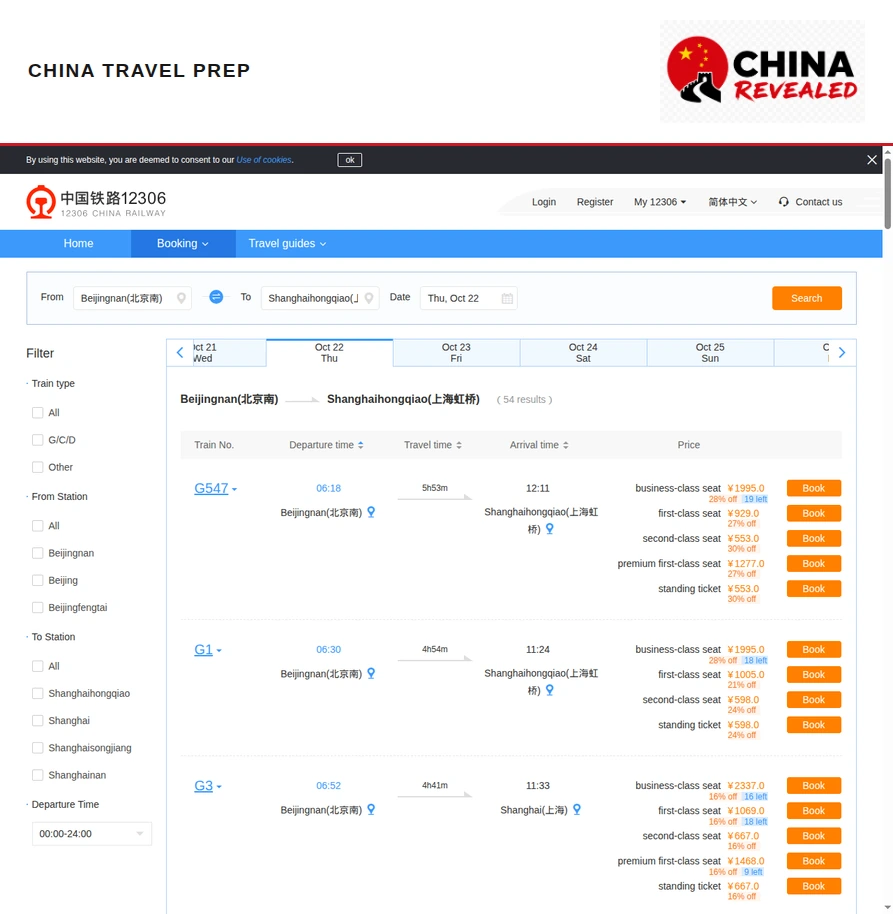
Check the exact stations, too: Beijingnan (北京南) means Beijing South, while Shanghaihongqiao (上海虹桥) is not Shanghai station (上海站). A city search can offer more than one station; use the one printed on the ticket.
Carry the original booking passport and allow time for security and a manual/passport lane (人工通道). If the automatic gate does not read your passport, use the staffed/manual channel with your original document and booking details. If your order or station staff asks you to collect anything at a counter, allow extra time and bring the booking number.
Use the official 12306 English website or official app rather than assuming a reseller is the railway. For a full step-by-step booking workflow, see China train tickets for foreigners.
Attractions: check the individual official rule
Do not assume every Chinese attraction requires a reservation, or that none do. Reservation, real-name registration, release time, seasonal closures, and same-day capacity are decided by the specific venue. Check the venue’s official ticket page shortly before its sales window opens, especially in holiday periods.
The Palace Museum’s official visitor rules illustrate why details matter: passport real-name booking, timed entry, seven-day advance sales from 20:00, no same-day tickets, normal Monday closure except public holidays, and safest cancellation before the preceding midnight. This is venue-specific, not a national rule.
Before you click pay, capture the visit date, time slot, passport identity, refund deadline, and original booking channel. If your plans change, cancel through the original channel within the published cutoff. Keep the cancellation confirmation; a screenshot of a selection page is not proof of a valid reservation.
| Booking | Do before paying | Bring/use on the day | If it changes |
|---|---|---|---|
| 12306 train | Complete passport verification; check name, station, date, seat, and fare rule. | Original booking passport; allow for security and manual verification. | Change/refund through the official order and keep the confirmation. |
| Major attraction | Confirm official site, ticket release time, name rule, entry slot, and refund cutoff. | Original passport if required and the valid order details. | Cancel in the original channel before the venue’s published deadline. |
| Flight | Confirm the operating carrier, entry documents, baggage, and transit requirements. | Passport and complete itinerary, not only the first segment. | Contact the operating carrier; document all changes. |
| Airport ride | Confirm airport, terminal, meeting zone and payment method. | Match the car to the complete plate and app trip. | Use platform support, airport staff, or the official taxi queue. |
Transfers and local movement
For a ride-hail pickup, the airport and terminal decide the pickup level and parking zone. Do not use a generic instruction found for another airport. In the app, follow the current terminal directions and match the full licence plate, not just car colour, a name on a sign, or a driver’s message. If you cannot find the car, use the platform help or ask official airport staff before accepting an unsolicited ride.
For city travel, build a small backup chain: transit card/app or contactless card where locally accepted, a staffed ticket window or machine, then a ride-hailing/taxi alternative. A payment method working in one city or on one system is not a nationwide guarantee. Save the hotel and main sights in Chinese so you can show an address without needing a live map.
Do not plan to drive simply because you hold an overseas licence or an International Driving Permit. Neither alone authorises driving in mainland China. A short-term visitor needs the appropriate temporary driving permission and supporting documents. For most first trips, rail, metro, taxi, and ride-hailing are more straightforward.
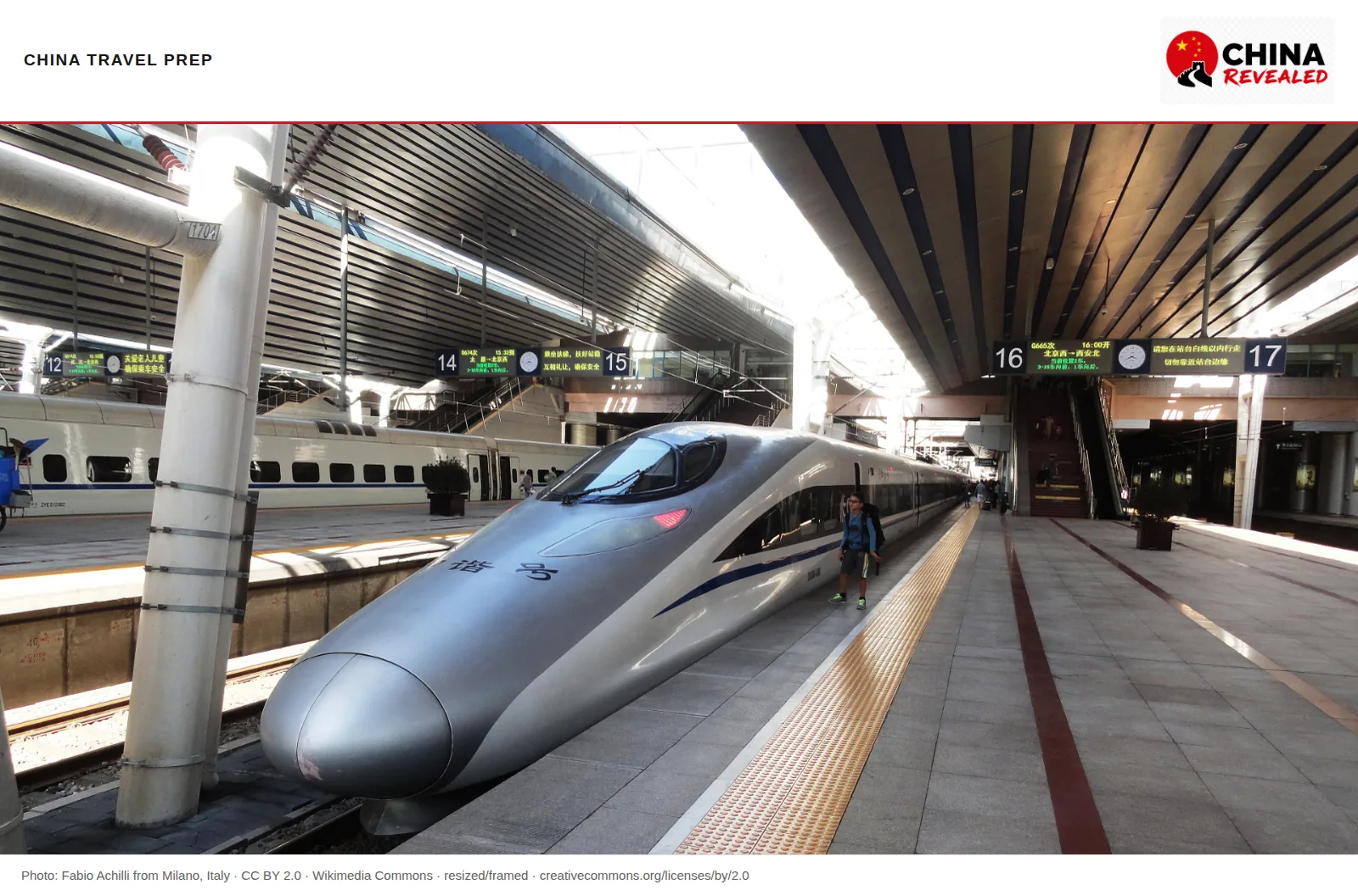
Compare hotels that accept foreign passports, plus flights and train tickets, on Trip.com.
7. Confirm the hotel—including a midnight arrival
Hotels should not refuse an overseas guest solely for lacking a so-called foreign-guest qualification, but a branch can still have a closed desk, booking-system problem, or passport-registration uncertainty. Deal with the specific branch.
Send arrival time and booking number, then ask if it can register an overseas passport, staff the desk at that time, and hold a late room. Save its written answer and Chinese address. If you need to enter the room just after midnight, reserve the previous night and confirm that the room will be held. Arriving at 01:00 on Tuesday normally means booking Monday night, not assuming a Tuesday booking grants early access. Keep the hotel’s exact late-arrival agreement.
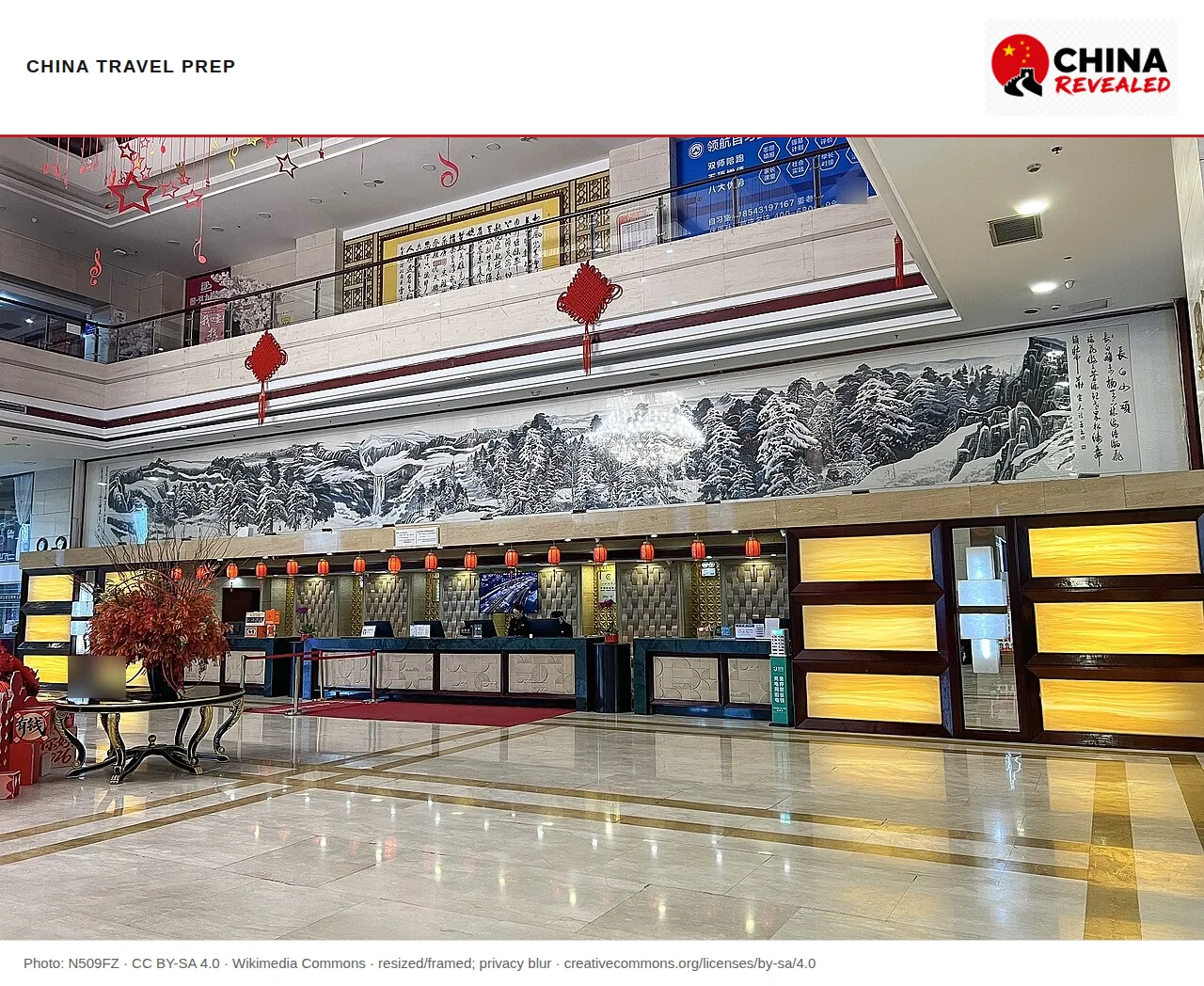
At check-in, confirm the booked nights, checkout time, deposit or card hold, and how it will be released. Keep the receipt and ask about any unexplained charge before leaving. If a deposit is not returned as agreed, use the hotel and original platform support with that record rather than assuming it is a second room charge.
For a night problem, contact property and platform support, then find a nearby staffed alternative; retain battery, data, cash, and card access for one night.
For a private home, rental or other non-hotel address, you or your host must complete accommodation registration within 24 hours of moving in. Since September 21, 2026, national online service is available through the NIA service platform, NIA12367 app and official WeChat/Alipay mini-programmes. Ask the host to help with the first registration and save the completed record. If online registration fails, use the local police station; the deadline still applies. Hotels normally handle their guests’ registration.
8. Make departure day and your first day simple
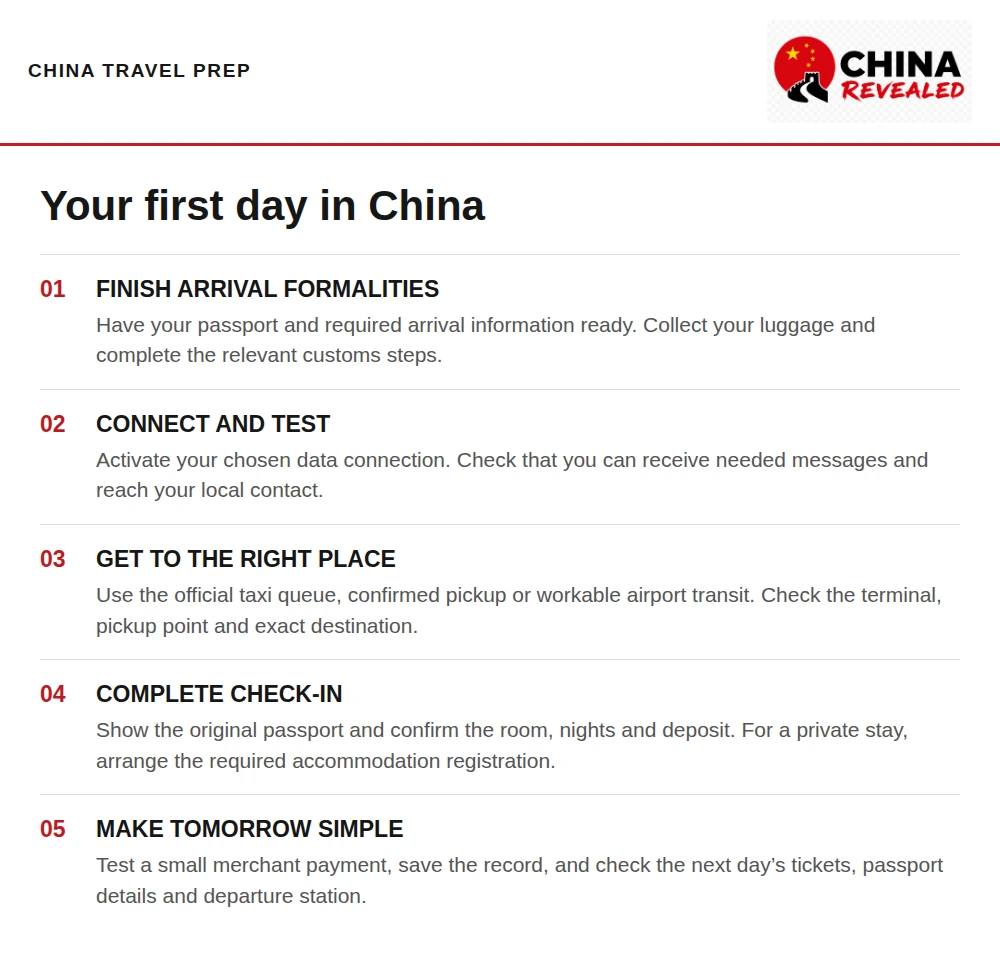
The goal of the first 24 hours is not to see everything. It is to clear entry, reach the hotel, confirm that the phone and payments work, eat and rest, and solve small problems while you still have options.
The day before flying
Make one offline folder and one paper/backup-card version. Check airline app alerts and the operating carrier’s requirements, especially if a codeshare or domestic connection is involved. Put the booking passport—not an old passport or a different document—in the carry-on pocket you will use at check-in and border control.
| Departure check | Done means | Backup if not done |
|---|---|---|
| Entry route | Passport, purpose, dates, onward ticket, and port/area rules all match. | Delay non-refundable purchases; ask the airline and NIA 12367 about the exact sequence. |
| Arrival card | Official form confirmation saved, or you know the airport QR/device/paper route. | Complete it at the port; never pay a third party just to fill it. |
| Phone and SMS | Data plan and activation instructions are ready; your critical SMS number works, and essentials are saved offline. | Keep roaming/SMS line active or plan a carrier-shop visit; save details offline. |
| Payments | Wallet/card setup checked, plus second card and small cash reserve. | Use the first small merchant purchase as a test; do not rely on one method. |
| Documents and health | Passport, hotel address, transport details, insurance assistance, medicines, and emergency contacts are accessible offline. | Give a copy to a trusted contact and keep a paper note in the cabin bag. |
Arrival, transport, food, and basic safety
Before the immigration check, complete any required arrival card. At the counter, answer the questions and show relevant itinerary or hotel material if requested. Collect baggage and complete customs, then connect data and arrange transport. Keep enough cash or an independent payment method for that first journey; test a small merchant payment when you have time to check the result.
For the first meal, choose a straightforward place near the hotel and use the tested method. Choose sealed bottled water rather than assuming tap water is suitable for drinking; request no ice if its source is uncertain. Public toilets vary: carry tissues and hand sanitiser, expect either a squat or seated toilet, and follow the signs or bin provided for paper.
Do not assume a foreign card, QR code, or international app works identically in every city. Follow local signs, use an official machine/window if the app fails, and keep enough backup for a ride to the hotel. At crossings, use the signal and make sure cars and e-bikes have stopped.
Protect the passport, payment cards, and phone: take only what you need out for the day, zip bags in crowded places, and do not treat an unfamiliar personal payment request as a routine merchant transaction. Respect no-smoking signs and venue rules; drinking is optional, and a polite refusal is enough.
Know the emergency baseline
Save these before you need them: 110 for police, 119 for fire, and 120 for medical emergency. If calling, lead with the Chinese address, street/building number, and a landmark, then state what happened. English help can vary by city, so a saved Chinese address and an offline note of allergies, medicines, hotel phone number, and insurance assistance line are practical safety tools.
For urgent illness or injury, seek care first; keep receipts and medical notes, then ask the insurer about direct payment or reimbursement. Hospitals may request a deposit, so use the backup money plan.
For more newcomer planning resources, start at First Time in China.
Your first-day finish line
By the end of day one, you should know how to return to the hotel, have a payment fallback, and have tomorrow’s address and ticket details saved. That is enough. Save the sightseeing ambition for the days when the essential systems are already working.
| First-day check | Aim for this result | If it fails |
|---|---|---|
| Entry and hotel | Arrival completed; hotel has registered you; address saved in Chinese. | Use official arrival-card/hotel/platform support and retain booking records. |
| Connectivity | Data works and the important number can receive SMS. | Switch to the fallback line or visit a larger carrier shop with passport. |
| Payments | One low-value merchant purchase succeeded and a backup remains. | Check order status first; use another card or cash rather than retrying blindly. |
| Tomorrow | Transport, ticket/slot, weather, and meeting point reviewed. | Choose one nearby, flexible alternative and protect the return-to-hotel route. |
| Safety | Emergency numbers, insurance help, medicine/allergy note, and contact are offline. | Ask hotel staff for local help; call 110/119/120 for an emergency. |
About China Revealed
China Revealed is an independent English-language travel guide dedicated to China.
We bring together China travel guides, destination information, local insights and practical travel resources in one place.
Our travel database covers China's provinces, cities, famous attractions, hidden gems, local cuisine, transportation, accommodation, visa requirements, digital payments, mobile connectivity and the other practical details travelers need to explore China.
We focus on depth, careful research and accuracy. Our guides combine official sources, detailed destination data, local knowledge and regularly updated information to give reliable, practical travel advice.
Whether you're visiting China for the first time or exploring beyond the popular destinations, China Revealed is an all-in-one resource for discovering the real China.
China Revealed — Your practical guide to China.
Some links on China Revealed, such as Trip.com booking links, are affiliate links. If you book through them, we may earn a commission at no extra cost to you. This does not change what we recommend.