


About Hubei
Hubei at a glance
- Population
- 58,110,000Year-end resident population, entire provincial-level administrative area · 2025Source ↗
- Income per person
- 38,881Mean annual disposable income per person, all residents · 2025 · CNYSource ↗
- Languages & dialects
- Mandarin; local varieties include Southwestern Mandarin, Jianghuai Mandarin and Gan Chinese.These regional speech traditions meet around Ezhou; local boundaries vary.Source ↗
- Geography
- Yangtze and Han river lowlands surrounded by higher terrain, especially the western mountains.Source ↗
- Elevation
- Most mapped land is below 1,000 m, with higher western mountain areas.Based on the province's geographical census; not a city altitude.Source ↗
- Main gateway
- WuhanProvince
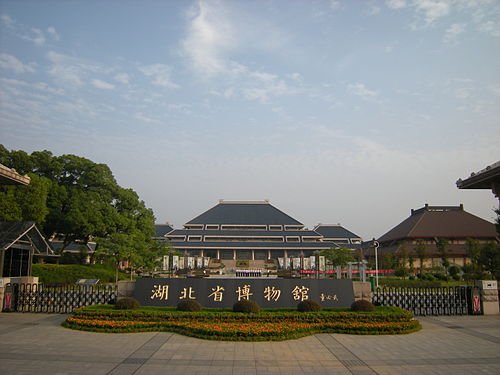
Discover Hubei
Explore Wuhan one district at a time
Wuchang provides access to the Hubei Provincial Museum and the landscape around East Lake, while Hankou's Jianghan Road introduces commercial architecture and busy streets across the river. Breakfast is an important part of the experience: hot dry noodles and doupi give the morning a local focus. Choose one section of a lake or one district for a walk, then allow time for a meal. Repeated cross-city transfers can otherwise consume the intervals that make Wuhan interesting.
Choose between plain, river and mountain history
Jingzhou offers a walled-city chapter on the Yangtze plain. Yichang serves journeys into the Three Gorges landscape, with boat departures requiring precise location checks. Wudang's temples and palaces are inseparable from mountain terrain and Daoist religious life. These experiences call for different planning, even though all belong to Hubei. Decide whether your next stay is for urban heritage, a river journey or a temple landscape before selecting transport and accommodation.
Give western landscapes the time they need
Shennongjia brings forests and mountain habitats into the itinerary, while the Enshi region adds Tujia cultural context and foods such as hezha. Tangya's archaeological site is in Xianfeng county and requires a separate transfer from an Enshi city base. Rail access to a western gateway does not complete the journey to the attraction. Name the managed scenic area, approach and overnight location you intend to use, then leave space for weather and the return route.
Explore Hubei
Core places to explore, with English and Chinese names.
Wuhan 武汉
Yellow Crane Tower 黄鹤楼
Hubei Provincial Museum 湖北省博物馆
East Lake (Wuhan) 武汉东湖
Wuhan Yangtze River Bridge 武汉长江大桥
Guiyuan Temple 归元寺
Guqin Tai 古琴台
Qingchuan Pavilion 晴川阁
Yichang 宜昌
Three Gorges Dam 三峡大坝
Three Gorges · regional Yangtze corridor 长江三峡·跨区域河段
Three Gorges Tribe 三峡人家
Qing River 清江画廊
Three Gorges Waterfall 三峡大瀑布
Shiyan 十堰
Wudang Mountains, Golden Summit area 武当山金顶
Danjiangkou Reservoir 丹江口水库
Shennongjia, Shennongding area 神农架神农顶
Tangya Tusi City 唐崖土司城遗址
Enshi Grand Canyon 恩施大峡谷
Tenglong Cave 腾龙洞
Shennong Stream 神农溪
Jingzhou 荆州
Jingzhou Museum 荆州博物馆
Jingzhou City Wall 荆州古城墙
Xiangyang 襄阳
Longzhong 古隆中
Xiangyang City Wall 襄阳古城墙
Xianling (Ming dynasty) 明显陵
Jiugong Mountain 九宫山
Guifeng Mountain (Hubei) 龟峰山
Dongpo Red Cliff 东坡赤壁
Shijiahe culture 石家河遗址
Huangshi Museum 黄石市博物馆
Ezhou Museum 鄂州市博物馆
Suizhou Museum 随州博物馆
Dong Yong Park in Xiaogan 孝感董永公园
Ziyue Lake Park 紫月湖公园
Miancheng Historic Town 沔城古镇
Zhang Juzheng Former Residence 张居正故居
Zhanghua Temple 荆州章华寺
Chuwang Chariot and Horse Formation Scenic Area 楚王车马阵
Three Visitors Cave and Park 三游洞
Yuquan Temple 当阳玉泉寺
Yichang Museum 宜昌博物馆
Enshi Tusi Imperial City 恩施土司城
Luyuanping Ecological Scenic Area 鹿院坪
Enshi Tujia and Miao Autonomous Prefecture Museum 恩施州博物馆
Huanggang Museum 黄冈博物馆
Shiyan Museum 十堰博物馆
Golden Hall 武当山金殿
Purple Cloud Temple 武当山紫霄宫
South Cliff Palace 武当山南岩宫
Xiangyang Museum 襄阳市博物馆
Mi Gong Temple 米公祠
Pingba Camp National Forest Park 坪坝营国家森林公园
Huangpi Mulan Cultural and Ecological Tourism Area 黄陂木兰文化生态旅游区
Qu Yuan Hometown Cultural Area 屈原故里景区
Three Kingdoms Red Cliffs Battlefield 三国赤壁古战场
Mulan Mountain 木兰山
Mulan Tianchi 木兰天池
Mulan Grassland 木兰草原
Mulan Yunwu Mountain 木兰云雾山
Daoguanhe Scenic Area 道观河
East Lake 东湖
1911 Revolution Museum 辛亥革命博物院
Tanhualin Historic District 昙华林
Wuchang Riverside Park 武昌江滩
Wuhan University Campus 武汉大学校园
Hankou Riverside Park 汉口江滩
Lihuangpi Road Historic District 黎黄陂路历史街区
Gude Temple 古德寺
Jianghan Road Pedestrian Street 江汉路步行街
China University of Geosciences Yifu Museum 中国地质大学逸夫博物馆
Wuhan Botanical Garden of the Chinese Academy of Sciences 中国科学院武汉植物园
Jiuzhen Mountain 九真山
Dayuwan Village 大余湾
Tonglushan Ancient Copper Mine Site 铜绿山古铜矿遗址
Huangshi National Mine Park 黄石国家矿山公园
Xiandao Lake 仙岛湖
Wudang Mountains 武当山
Danjiangkou Reservoir Viewing Area 丹江口水库开放观景区
Yeren Cave and Yeren Valley 野人洞与野人谷
Shangyong Ancient Town and Shengshui Lake 上庸古镇与圣水湖
Wuling Night City 武陵不夜城
Huxiaotan Scenic Area 虎啸滩
Chaibuxi Grand Canyon 柴埠溪大峡谷
Houhe Eco-Tourism Area 后河开放生态旅游区
Zhaojun Village 昭君村
Bailihuang Grassland 百里荒
Three Gorges Bamboo Sea 三峡竹海
Zhenjiang Pavilion Riverside 镇江阁江畔
Mingfeng Mountain 鸣凤山
Jiuluzhai Scenic Area 九路寨
Wudao Gorge 五道峡
Chunqiu Fortress 春秋寨
China Han City 汉城
Xiangyang Ancient City North Street 古城北街
Xiangyang Museum 襄阳博物馆
Nanhe Little Three Gorges 南河小三峡
Ezhou West Hill 鄂州西山
Lulin Mountain 绿林山
Mandarin Duck Stream 鸳鸯溪
Huangxian Cave 黄仙洞
Mochou Village 莫愁村
Hubei-Henan Border Region Revolutionary Martyrs Cemetery 鄂豫边区革命烈士陵园
Baizhao Mountain 白兆山
Tangchi Hot Spring 汤池温泉
Shashi Zhongshan Road Historic District 中山路历史文化街区
Zhanghua Temple 章华寺
Honghu Lake Eco-Tourism Area 洪湖生态旅游区
Zhoulaozui Ancient Town 周老嘴古镇
Tian'ezhou Ecological Viewing Area 天鹅洲开放生态展示区
Jingzhou Ancient City 荆州古城
Huangma Uprising and Hubei-Henan-Anhui Soviet Memorial Park 黄麻起义和鄂豫皖苏区纪念园
Tiantangzhai Mountain Hubei Side 天堂寨湖北侧
Baodao Peak 薄刀峰
Taohuachong Forest Park 桃花冲
Li Shizhen Memorial Hall 李时珍纪念馆
Qianshan National Forest Park 潜山国家森林公园
Sanhu Lianjiang Scenic Area 三湖连江
Yinshui Cave 隐水洞
Thousand-Year Ginkgo Valley 千年银杏谷
Dahong Mountain 大洪山
Hometown of Emperor Yan 炎帝故里
Dashuijing Ancient Architectural Complex 大水井古建筑群
Yumuzhai Village 鱼木寨
Pingbaying Scenic Area 坪坝营
Shiziguan Scenic Area 狮子关
Gongshui River Night View 贡水河夜景
Wuxiakou Scenic Area 巫峡口
Dixin Valley 地心谷
Suobuya Stone Forest 梭布垭石林
Enshi Girls' City 恩施女儿城
Xianfo Temple Grottoes 仙佛寺
Pingshan Gorge 屏山峡谷
Mengli Water Village 梦里水乡
Longwan National Archaeological Park 龙湾国家考古遗址公园
Shijiahe Site Museum 石家河遗址博物馆
Dajiuhu Wetland 大九湖
Shennongding Scenic Area 神农顶
Tianyan Scenic Area 天燕
Guanmenshan Scenic Area 官门山
Three Gorges Dam 三峡大坝
Wudang Mountains 武当山
Two Dams and One Gorge 交运两坝一峡游船
Shennongjia Tourism Area 神农架风景区
Hefeng Pingshan Tourist Area 鹤峰屏山旅游景区
Hubei local specialties
湖北特色美食 · 171 specialties to discover
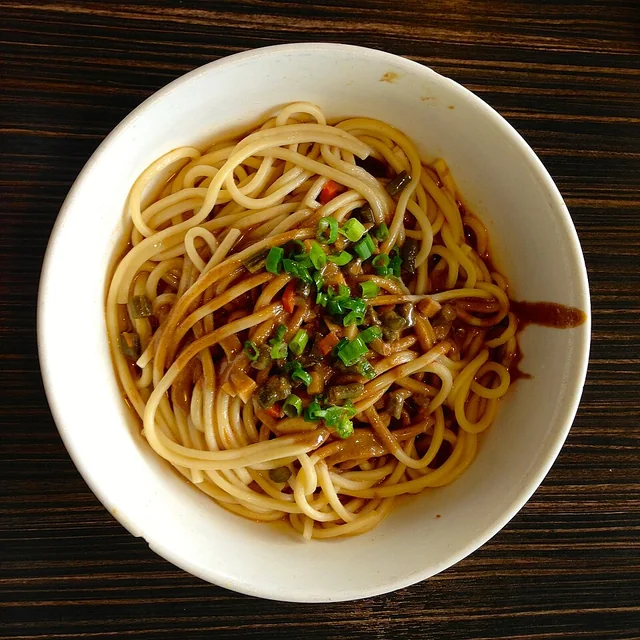 Hot dry noodles 热干面
The noodles are firm and springy, with a thick nutty coating. Mixing promptly matters because the sesame sauce can gather into dense patches as it cools.
Source ↗Read the dish guide →Photo adjustments
EXIF orientation applied where present; resized proportionally to at most 640 px on the long edge and encoded as WebP. No crop, retouching, recoloring or subject changes.
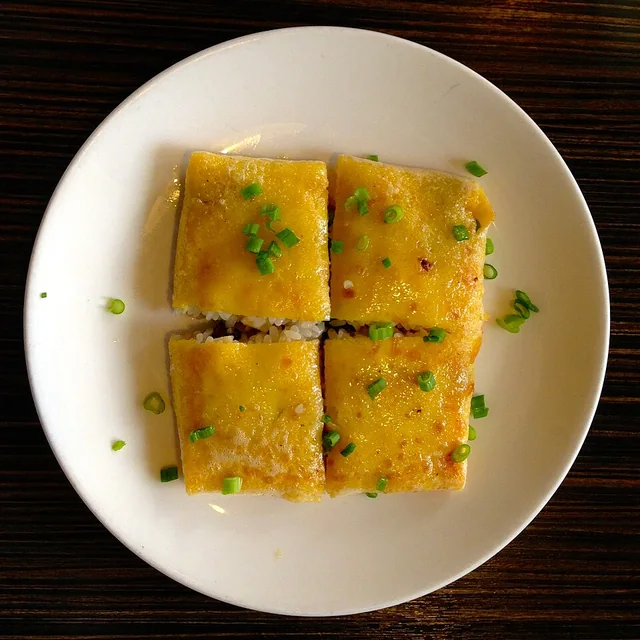 Three-delicacy doupi 三鲜豆皮
A crisp, lightly eggy surface contrasts with dense, chewy rice and juicy diced filling. The portion is more substantial than its thin exterior suggests.
Source ↗Read the dish guide →Photo adjustments
EXIF orientation applied where present; resized proportionally to at most 640 px on the long edge and encoded as WebP. No crop, retouching, recoloring or subject changes.
 Pork-rib and lotus-root soup 排骨藕汤
A good bowl pairs tender pork with either soft, mealy root or a firmer bite. The soup is gently sweet and rich without needing a heavy sauce.
Source ↗Read the dish guide →Photo adjustments
EXIF orientation applied where present; resized proportionally to at most 640 px on the long edge and encoded as WebP. No crop, retouching, recoloring or subject changes.
 Wuchang fish 武昌鱼
The flesh is delicate and mild, with skin and fine bones shaping the eating experience. A braised version will have a fuller sauce.
Source ↗Read the dish guide →Photo adjustments
EXIF orientation applied where present; resized proportionally to at most 640 px on the long edge and encoded as WebP. No crop, retouching, recoloring or subject changes.
 Xiangyang beef noodles 襄阳牛肉面
The noodles are springy, with savory beef and a warm spicy finish; richness varies with the broth and topping choice.
Source ↗Read the dish guide →Photo adjustments
EXIF orientation applied where present; resized proportionally to at most 640 px on the long edge and encoded as WebP. No crop, retouching, recoloring or subject changes.
 Enshi hezha 恩施合渣AI dish illustration · AI 菜品示意图
The result is softly grainy, mildly beany and substantial, with vegetables adding texture. Richer additions can turn it into a full main dish.
Source ↗Read the dish guide → Braised longsnout catfish 红烧鮰鱼AI illustration · AI 示意图
The flesh is tender, and the skin can feel rich and gelatinous. Sauce makes this a substantial rice accompaniment rather than a light fish soup.
Source ↗Read the dish guide → Jingzhou steamed fish cake 荆沙鱼糕AI illustration · AI 示意图
The cake is tender and springy, with a fine-grained texture and mild fish savoriness rather than visible flakes of whole fish.
Source ↗Read the dish guide →All dish names · 全部菜名 (171)
- Hot dry noodles · 热干面
- Three-delicacy doupi · 三鲜豆皮
- Pork-rib and lotus-root soup · 排骨藕汤
- Wuchang fish · 武昌鱼
- Xiangyang beef noodles · 襄阳牛肉面
- Enshi hezha · 恩施合渣
- Braised longsnout catfish · 红烧鮰鱼
- Jingzhou steamed fish cake · 荆沙鱼糕
- Mianyang three steamed dishes · 沔阳三蒸
- Huangzhou Dongpo pork · 黄州东坡肉
- Qianjiang braised crayfish · 潜江油焖小龙虾
- Cured pork with flowering greens · 腊肉炒菜薹
- Enshi griddle-roasted potatoes · 恩施炕土豆
- Xiaogan sweet fermented rice · 孝感米酒
- Fried flatbread with sticky-rice dumplings · 油饼包烧梅
- Gong'an crisp stuffed flatbread · 公安锅盔
- Wuhan peppery thick rice-noodle soup · 糊汤米粉
- Huangzhou Dongpo pastry · 黄州东坡饼
- Yingcheng pebble-baked bread · 应城石子馍
- Yunyang three-ingredient soup · 郧阳三和汤
- Zhuxi steamed mixed casserole · 竹溪蒸盆
- Zhongxiang coiled egg-wrapped rolls · 钟祥蟠龙菜
- Heshengqiao chicken soup · 贺胜桥鸡汤
- Tianmen eel rice noodles · 天门鳝鱼米粉
- Wuhan savoury rice-batter rings · 武汉面窝
- Wuhan sesame-coated rice balls · 欢喜坨
- Qianjiang fermented chilli and rice meal · 潜江飵胡椒
- Qianjiang toasted-rice infusion · 潜江焌米茶
- Huangpi bean-and-rice noodles · 黄陂豆丝
- Lotus Root and Pork Rib Soup · 莲藕排骨汤
- Jingsha Soft-Shelled Turtle · 荆沙甲鱼
- Poached Fish Balls in Original Broth · 原汤汆鱼丸
- Scallion-Braised Wuchang Fish · 葱烧武昌鱼
- Zhongxiang Coiled Egg-Wrapped Pork Roll · 钟祥盘龙菜
- Rice-Meal Steamed Longsnout Catfish · 粉蒸鮰鱼
- Rice Noodles in Thickened Broth · 糊汤粉
- Beef Rice Noodles · 牛肉粉
- Spiced Braised Duck Necks · 鸭脖
- Wuhan Fried Glutinous Rice Ball · 糯米鸡
- Soup-Filled Steamed Buns · 汤包
- Pounded Glutinous Rice Cakes · 糍粑
- Bean-and-Rice Noodle Strips · 豆丝
- Thickened Fermented Rice Drink · 糊米酒
- Shaomai Steamed Dumplings · 烧麦
- Sticky Rice Wrapped Fried Dough Stick · 糯米包油条
- Daye Thick-Broth Noodles · 大冶糊面
- Jinniu Pressed Tofu Sheets · 金牛千张
- Huangshigang Baked Cake · 黄石港饼
- Taizi Tofu · 太子豆腐
- Daye Stamped Rice Cakes · 大冶印子粑
- Yangxin Zhezi Rice Noodles · 阳新折子粉
- Tongshankou Beef Rice Noodles · 铜山口牛肉粉
- Deep-Fried Glutinous Rice Cakes · 炸糍粑
- Yunyang Three-in-One Soup · 郧阳三合汤
- Fangxian Flower Shiitake Chicken Stew · 房县小花菇炖鸡
- Danjiangkou Topmouth Culter · 丹江口翘嘴鲌
- Yunxi Matou Goat Soup · 郧西马头羊汤
- Zhushan Steamed Bowl Banquet · 竹山合碗席
- Fangxian Yellow Rice Wine · 房县黄酒
- Noodles in Fermented Sour Broth · 酸浆面
- Shenxian Leaf Cold Jelly · 神仙叶凉粉
- Shrimp-Shaped Rice Jelly Dessert · 凉虾
- Fried Radish Rice-Batter Fritters · 萝卜饺子
- Chilli Oil Noodles · 红油小面
- Yiling Spring Rolls · 夷陵春卷
- Sanyou Shenxian Chicken · 三游神仙鸡
- Tujia Stacked Steamer Platter · 土家抬格子
- Changyang Cured Pork Trotters · 长阳腊蹄子
- Zigui Sticky Rice Dumplings · 秭归粽子
- Yichang Longsnout Catfish · 宜昌肥鱼
- Sweet Potato Crisp Sweets · 苕酥
- Yichang Fried Potatoes · 炕洋芋
- Beef Offal Noodles · 牛杂面
- Kongming Pickled Mustard Root · 孔明菜
- Yicheng Numbing-Spicy Braised Prawns · 宜城大虾
- Yicheng Coiled Whole Eels · 宜城盘鳝
- Fried Pork Fat with Mung Bean Paste · 夹沙肉
- Xiangyang Rolled Pork Trotter · 襄阳缠蹄
- Zaoyang Noodles in Fermented Sour Broth · 枣阳酸浆面
- Xiangyang Yellow Rice Wine · 襄阳黄酒
- Yicheng Pressed Salted Duck · 宜城板鸭
- Yahui Spiced Duck Necks · 雅惠鸭脖
- Liangzi Lake Mitten Crabs · 梁子湖螃蟹
- Ezhou Fish Balls · 鄂州鱼丸
- Taihe Pressed Tofu Sheets · 太和千张
- Slow-Simmered Pork Ribs with Lotus Root · 莲藕煨排骨
- Mandarin Fish Balls · 鳜鱼丸
- Aizi Flaky Pastry Cakes · 矮子馅饼
- Shayang Long Lake Steamed Fish Cake · 沙洋长湖鱼糕
- Jingshan Qiaomi Rice Steamed Pork · 京山桥米蒸肉
- Zhongxiang Roasted Rice Tea · 钟祥米茶
- Zhanghe Reservoir Fish Head · 漳河鱼头
- Pan-Fried Bean-and-Rice Cakes · 豆饼
- Xiaogan Sesame Crisp Candy · 孝感麻糖
- Yunmeng Fish Noodles · 云梦鱼面
- Anlu Stir-Fried Pork with Pickled Greens · 安陆白花菜炒肉
- Yingcheng Braised Pork Hock · 应城扒肉
- Hanchuan Heyue Flaky Pastry · 汉川荷月酥
- Dawu Stinky Tofu · 大悟臭豆腐
- Xiaogan Fermented Glutinous Rice Wine · 孝感早米酒
- Jingzhou Steamed Fish Cake · 荆州鱼糕
- Gong'an Beef Hotpot · 公安牛肉
- Honghu Lotus Root and Pork Rib Stew · 洪湖莲藕炖排骨
- Honghu Fried Lotus Root Sandwiches · 洪湖藕夹
- Shashi Early-Morning Noodle Soup · 沙市早堂面
- Jiangling Eight-Treasure Rice · 江陵八宝饭
- Songzi Chicken · 松滋鸡
- Honghu Wild Duck · 洪湖野鸭
- Dongpo Braised Pork Belly · 东坡肉
- Huangzhou Shaomei Steamed Dumplings · 黄州烧梅
- Luotian Hanging Iron Pot · 罗田吊锅
- Wuxue Flaky Sesame Candy · 武穴酥糖
- Qichun Sour Fermented Rice Noodles · 蕲春酸米粉
- Macheng Steamed Fish and Pork Cake · 麻城肉糕
- Hong'an Ember-Roasted Dried Gourd · 红安煨葫芦
- Xishui Nine-Hole Lotus Root Starch · 浠水九孔藕粉
- Yingshan Tofu Sausage · 英山灌肠豆腐
- Huangmei Fish Noodles · 黄梅鱼面
- Xianning Osmanthus Rice Cake · 咸宁桂花糕
- Jiayu Paizhou Fish Balls · 嘉鱼簰洲鱼圆
- Chibi Steamed Fish Cake · 赤壁鱼糕
- Tongshan Sweet Potato Starch Dumplings · 通山包坨
- Chongyang Fried Dough Twists · 崇阳麻花
- Tongcheng Steamer-Cooked Cake · 通城甑蒸糕
- Hesheng Chicken Soup · 贺胜鸡汤
- Cured Pork Braised with Bamboo Shoots · 腊肉炖笋
- Suizhou Stir-Fried Pork with Paopao Greens · 随州泡泡青炒肉
- Guangshui Fried and Steamed Pork · 广水滑肉
- Suizhou Spring Rolls · 随州春卷
- Lishan Pork Braised in Fermented Tofu · 厉山腐乳炖肉
- Three-Delicacy Casserole · 三鲜煲
- Suizhou Shiitake Chicken Stew · 随州香菇炖鸡
- Maping Braised Pork Knuckle Rice · 马坪拐子饭
- Tujia Cured Pork · 土家腊肉
- Enshi Bean-and-Rice Sheets · 恩施豆皮
- Shefan Festival Rice · 社饭
- Oil-Fried Tea Soup · 油茶汤
- Zhangguan Hezha Ground Soybean Soup · 张关合渣
- Lichuan Fern-Root Jelly Noodles · 利川根粑凉粉
- Jianshi Big Flatbread · 建始大饼
- Xuan'en Grilled and Braised Whole Fish · 宣恩烤活鱼
- Tujia Crumbly Baked Flatbread · 土家掉渣烧饼
- Corn Cakes · 苞谷粑粑
- Maozui Brine-Braised Chicken · 毛嘴卤鸡
- Mianyang Lotus Root Starch · 沔阳藕粉
- Eel Rice Noodles · 鳝鱼粉
- Mianyang Speckled Duck · 沔阳麻鸭
- Rice-Powder Steamed Pork · 蒸肉
- Xiantao Rice-Meal Steamed Fish · 蒸鱼
- Xiantao Rice-Meal Steamed Vegetables · 蒸菜
- Qianjiang Braised Crayfish · 潜江油焖大虾
- Garlic Crayfish · 蒜蓉小龙虾
- Plain-Steamed Crayfish · 清蒸小龙虾
- Crayfish-Paddy Steamed Rice · 虾稻米饭
- Brine-Braised Crayfish · 卤虾
- Crayfish Tail Balls · 虾球
- Qianjiang Guokui Flatbread · 潜江锅盔
- Qianjiang Snakehead Fish Noodles · 潜江财鱼面
- Tianmen Steamed Dishes · 天门蒸菜
- Huangtan Rice Noodles · 黄潭米粉
- Yihe Freshwater Clams · 义河蚶
- Tianmen Guokui Flatbread · 天门锅盔
- Toasted Rice Drink · 米茶
- Steamed Rice-Field Eel · 蒸鳝鱼
- Shennongjia Cured Pork · 神农架腊肉
- Lazy Tofu · 懒豆腐
- Cured Pork Braised in Corn Liquor · 苞谷酒炖腊肉
- Stir-Fried Cured Pork with Fermented Chilli Meal · 渣广椒炒腊肉
- Free-Range Chicken Stewed with Wild Mushrooms · 野生菌炖土鸡
- High-Mountain Potatoes · 高山洋芋
- Honey Corn Cakes · 蜂蜜玉米粑
Top sights in Hubei
 TOP1夷陵区
The Three Gorges Dam visit is organised around viewing areas that explain a vast working water-engineering project. Tanziling gives the broadest reading of the dam and ship-lock arrangement; the 185 Platform brings the reservoir…
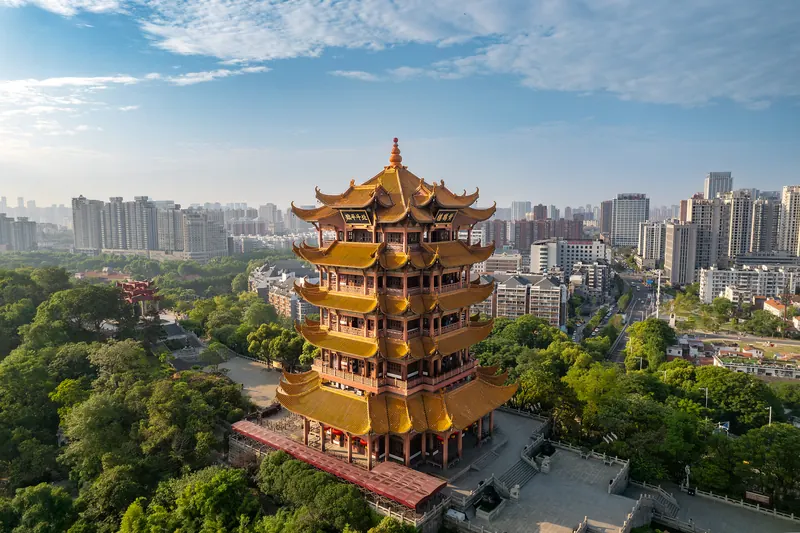 TOP2武汉市
Yellow Crane Tower rises above Snake Hill with layered roofs and wide views towards the Yangtze. Its literary fame is much older than the building: the present tower was completed in 1985 after earlier versions repeatedly burned…
 TOP3武汉市
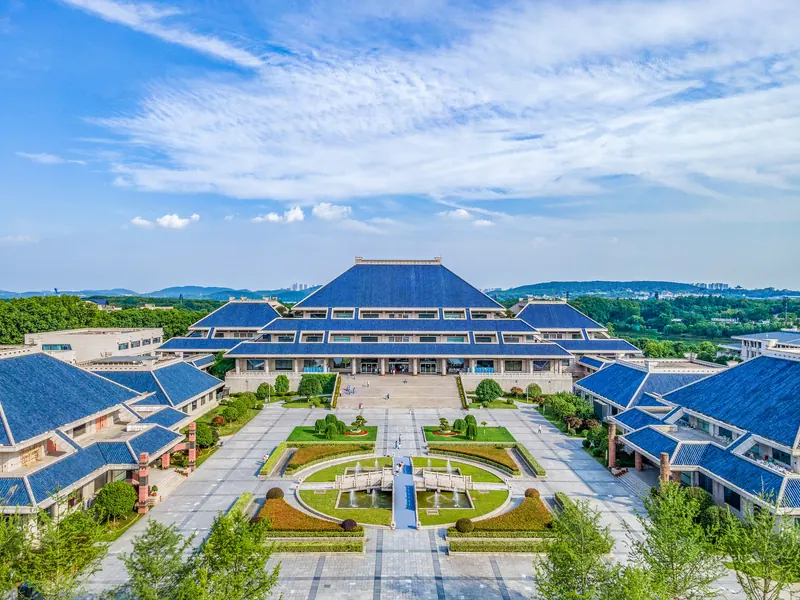
Hubei Provincial Museum is a strong introduction to the ancient states of Chu and Zeng. The bronze bells from the tomb of Marquis Yi and the Sword of Goujian make two very different kinds of metalwork tangible: musical precision…
 TOP4武汉市
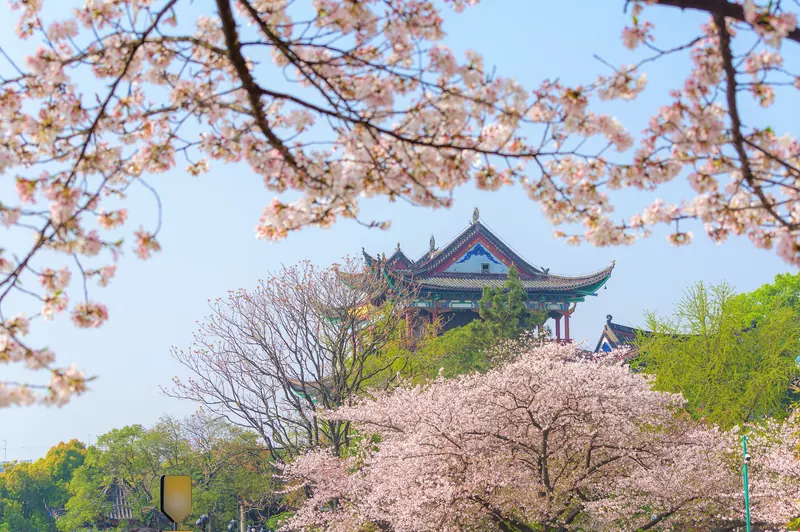
Qingchuan Pavilion occupies a river-facing position on the Hanyang side of Wuhan. The visit joins three distinct elements: the pavilion itself, Yuji Palace and Tiemen Gate. Together they connect a river panorama with the memory…
 TOP5丹江口市
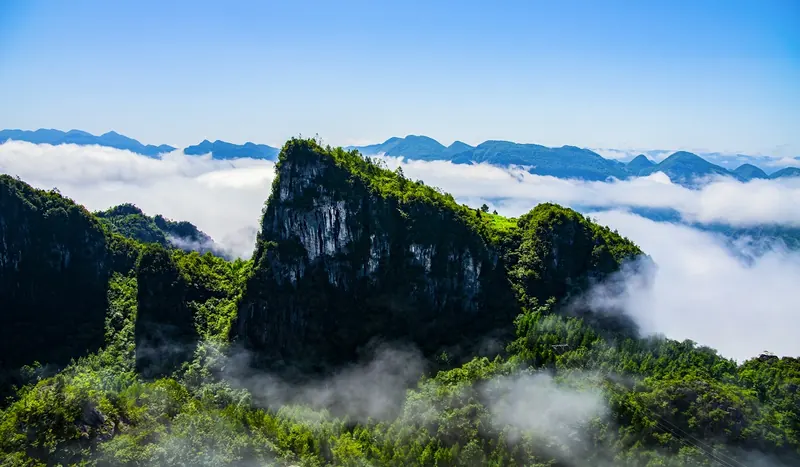
Daoist range in Danjiangkou, Hubei, where the Yongle Emperor built 33 palaces and temples from 1412; a World Heritage Site since 1994.
 TOP6恩施土家族苗族自治州
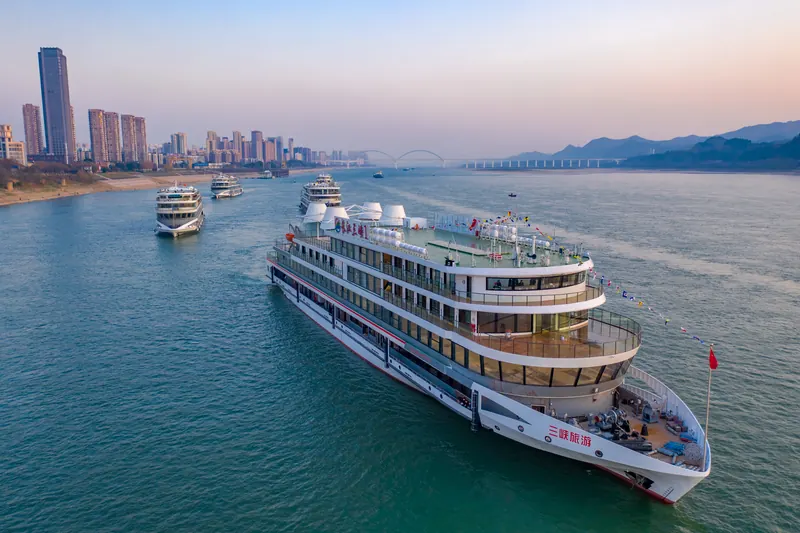
Enshi Grand Canyon combines two contrasting karst experiences. Qixingzhai follows high cliffs and isolated rock pillars, while Yunlong Ground Fissure descends into a narrow water-cut chasm. The famous Incense Stick pillar…
 TOP7伍家岗区
Two Dams and One Gorge交运两坝一峡游船
Show on map TOP8神农架林区
Shennongjia Tourism Area神农架风景区
Show on map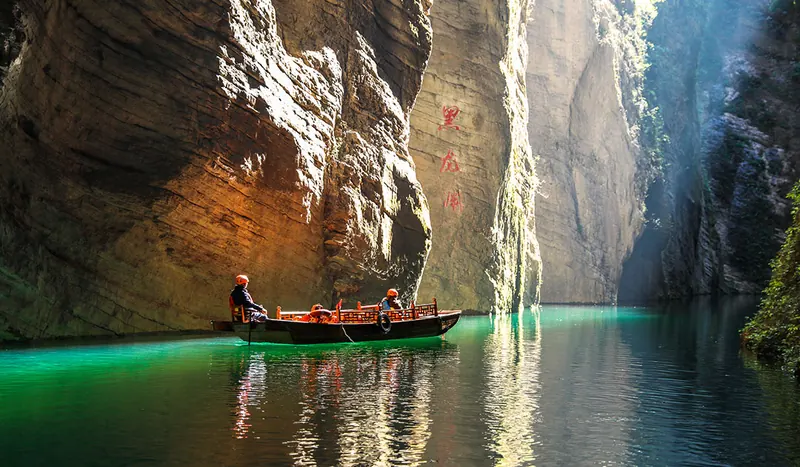 TOP9鹤峰县
Hefeng Pingshan Tourist Area鹤峰屏山旅游景区
Show on map TOP10宜昌市
Three Gorges Tribe combines Xiling Gorge scenery with a staged presentation of local river and hill life.
 Show on map


Change your destination on Trip.com.
Ranking source & photo credits
The first ten entries of Trip.Best Best Things to Do. Rankings reflect platform recommendations, not counts of international visitors. Read on 20 September 2026; platform pages may use cached snapshots.
- Three Gorges Dam: Source: Trip.com · Resized and WebP compressed; fitted to the ranking card.
- Yellow Crane Tower: Source: Trip.com · Resized and WebP compressed; fitted to the ranking card.
- Hubei Provincial Museum: Source: Trip.com · Resized and WebP compressed; fitted to the ranking card.
- Qingchuan Pavilion: Source: Trip.com · Resized and WebP compressed; fitted to the ranking card.
- Wudang Mountains: Source: Trip.com · Resized and WebP compressed; fitted to the ranking card.
- Enshi Grand Canyon: Source: Trip.com · Resized and WebP compressed; fitted to the ranking card.
- Two Dams and One Gorge: Source: Trip.com · Resized and WebP compressed; fitted to the ranking card.
- Shennongjia Tourism Area: Source: Trip.com · Resized and WebP compressed; fitted to the ranking card.
- Hefeng Pingshan Tourist Area: Source: Trip.com · Resized and WebP compressed; fitted to the ranking card.
- Tribe of the Three Gorges: Source: Trip.com · Resized and WebP compressed; fitted to the ranking card.
Cities, counties & districts in Hubei
17 areas belong directly to Hubei.
17 areas
Wuhan武汉市
Wuhan is the capital of Hubei, China. With a population of 13,861,900, it is the most populous city in Hubei and the seventh-most-populous city in China. It is also one of China's nine national central cities.
13 local areas →Prefecture-level cityHuangshi黄石市
Huangshi (simplified Chinese: 黄石; traditional Chinese: 黃石; pinyin: Huángshí), alternatively romanized as Hwangshih, is a prefecture-level city in southeastern Hubei province, People's Republic of China.
6 local areas →Prefecture-level cityShiyan十堰市
Shiyan is a prefecture-level city in northwestern Hubei, China, bordering Henan to the northeast, Chongqing to the southwest, and Shaanxi to the north and west.
8 local areas →Prefecture-level cityYichang宜昌市
Yichang, alternatively romanized as Ichang, is a prefecture-level city located in western Hubei province, China. Yichang had a population of 3.92 million people at the 2022 census, making it the third most…
13 local areas →Show fewer areas
Xiangyang襄阳市
Xiangyang is the second-largest prefecture-level city by population in northwestern Hubei province, China. It was known as Xiangfan from 1950 to 2010.
9 local areas →Prefecture-level cityEzhou鄂州市
Ezhou, also known by another name O-chou is a prefecture-level city in eastern Hubei Province, China. As of the 2020 census, the city had a population of 1,079,353, of which 695,697 lived in the core Echeng…
3 local areas →Prefecture-level cityJingmen荆门市
Jingmen (simplified Chinese: 荆门; traditional Chinese: 荆門; pinyin: Jīngmén; Wade–Giles: Ching1mên2) is a prefecture-level city in central Hubei province, People's Republic of China.
5 local areas →Prefecture-level cityXiaogan孝感市
Xiaogan is a prefecture-level city in east-central Hubei province, People's Republic of China, some 60 kilometres (37 mi) northwest of the provincial capital of Wuhan.
7 local areas →Prefecture-level cityJingzhou荆州市
Jingzhou is a prefecture-level city in southern Hubei province, China, located on the banks of the Yangtze River. Its total residential population was 5,231,180 according to the 2020 census, 1,068,291 of whom…
8 local areas →Prefecture-level cityHuanggang黄冈市
Huanggang is a prefecture-level city in easternmost Hubei Province, China. It is situated to the north of the middle reaches of the Yangtze River and is bounded in the north by the Dabie Mountains and is…
10 local areas →Prefecture-level cityXianning咸宁市
Xianning (simplified Chinese: 咸宁; traditional Chinese: 咸寧/咸甯; pinyin: Xiánníng) is a prefecture-level city in southeastern Hubei province, People's Republic of China, bordering Jiangxi to the southeast and…
6 local areas →Prefecture-level citySuizhou随州市
Suizhou (simplified Chinese: 随州; traditional Chinese: 隨州; pinyin: Suízhōu), formerly Sui County (simplified Chinese: 随县; traditional Chinese: 隨縣; pinyin: Suí Xian, Suixian), is a prefecture-level city in…
3 local areas →Autonomous prefectureEnshi Tujia and Miao Autonomous Prefecture恩施土家族苗族自治州
Enshi Tujia and Miao Autonomous Prefecture is located in the mountainous southwestern corner of Hubei province, People's Republic of China.
8 local areas →County-level cityXiantao仙桃市
Xiantao is a sub-prefecture-level city in the east of Hubei province, China. Located at the Jianghan Plain in the middle of Hubei province and spanning 112°55' – 113°49' east longitude and 30°04' – 30°32'…
Explore the area →County-level cityQianjiang潜江市
Qianjiang (simplified Chinese: 潜江; traditional Chinese: 潛江; pinyin: Qiánjiāng) is a sub-prefectural city of south-central Hubei Province, China.
Explore the area →County-level cityTianmen天门市
Tianmen (simplified Chinese: 天门; traditional Chinese: 天門; pinyin: Tiānmén; lit. 'sky gate') is a sub-prefecture-level city (sometimes considered a county-level city) in central Hubei Province, China.
Explore the area →Forestry districtShennongjia神农架林区
Shennongjia Forestry District is a county-level administrative unit (a "forestry district") in northwestern Hubei province, People's Republic of China, directly subordinated to the provincial government.
Explore the area →No areas match this name.
Arrive, stay & get around Hubei
交通枢纽、住宿与天气
Wuhan武汉
This Hubei entry uses Wuhan as its selected gateway city. It does not describe transport coverage across the entire region.
Airports
Wuhan Tianhe International AirportWUH
武汉天河国际机场
Airport northwest of the city, with onward ground transport into Wuhan’s districts on both sides of the Yangtze.
Railway stations
Wuhan Railway Station
武汉站
High-speed rail gateway on the eastern side of the city; Wuhan is the exact station name, not a generic label for all city stations.
Hankou Railway Station
汉口站
Major gateway on the Hankou side, often useful for central Hankou stays.
Metro & city transport
Wuhan Metro Network 武汉轨道交通线路图
The metro spans the city’s river-separated districts and connects the main rail and airport gateways. Match the station to the side of town you need.
- 1Find your stations确认起点与终点站
- 2Check interchanges查看换乘线路与站点
- 3Follow exit signs到站后按站内标识出站
 Explore the full network查看站名、线路与换乘Enlarge map点击放大线路图
Check the legend for closed, reserved or future sections. 停运、预留与规划区间,请按图例辨识。
Map edition: 2026-04-30 · Diagram reviewed 2026-09-06
Map: Painjet · CC BY-SA 4.0
Map coverage & sources 图示范围与来源说明
Operational geographical Wuhan Metro network including Line12 first phase; very dense central-area labels require zoom. English variant source: File:Wuhan Metro System Map en.svg.
Wikimedia advertised raster derivative, converted losslessly to WebP; transparent background flattened to white; no route geometry or labels edited.
Coaches, ferries & onward travel
Huangpi Passenger Transport Center
黄陂区汽车客运中心
District coach hub in Huangpi, useful when arranging onward public transport in the Mulan tourism area; confirm the specific scenic-area connection.
Transport reference review: 2026-09-06. Consult the operator for current services and timetables.
More about getting around
Wuhan has several major railway stations, so use the complete station name when booking a transfer. Rail serves western gateway cities, followed by road travel to mountain areas. For Yangtze cruises, confirm the actual embarkation location and included transfers rather than relying on the advertised city name.
Stay in Hubei
In Wuhan, choose a metro-connected base near the neighborhoods or museums you most want to visit; river crossings add distance. Yichang suits Yangtze excursions. At Wudang or Shennongjia, select accommodation around your planned entrance and walking route, and confirm meals and transport before arrival.
Find hotels on Trip.com →Change your destination, dates and guests on Trip.com.
Wuhan weather
The current-hour forecast loads when this section is visible. It uses MET Norway model data for the named city, not station observations.
Seasons & when to go
Wuhan's summers are notably hot and humid, with heavy rain possible; winters can feel cold and damp. Western mountains are cooler and conditions vary with altitude. Spring and autumn suit mixed city-and-mountain itineraries, but keep a weather margin for exposed paths and road transfers.
Local life & communication
Hubei's personality comes from the meeting of substantial urban life and varied river-and-mountain settings. Wuhan's breakfast habits and lakes are different from Jingzhou's historic enclosure, Wudang's religious architecture and Enshi's western cultural landscape. Give each place its own food stop and walking rhythm.
Wuhan introduces Hubei through river commerce, historic neighborhoods and museum collections. Wudang adds Taoist worship and architecture shaped by imperial patronage. Begin a city morning with local breakfast foods, including sesame-sauced hot dry noodles, and approach mountain temples as active religious places as well as monuments.
Language & communication
Mandarin is useful across the main routes, although local accents and vocabulary vary between Wuhan and the western districts. English assistance becomes less consistent beyond major attractions. Save mountain hotel names and pickup points in Chinese, since a broad scenic-area name is rarely precise enough.
Useful local tips
- Group Wuhan outings by riverbank and district to reduce repeated long transfers.
- Choose whether your provincial extension is river scenery, mountain nature or cultural history before reserving transport.
- The source list establishes place identity and regional food; current opening times and reservations need the attraction's latest notice.
- A Chinese place name is included for map searches, but it does not identify a particular entrance or walking trail.
- For Wuhan breakfasts, choose several small portions near your base; a traveller's Dacheng Road account illustrates how much variety one street can offer, without requiring a cross-city food chase.
Sources & useful links
- Wuhan government: Fun in Wuhan, bites to love
- Hubei Foreign Affairs Office: Culture and Landscape
- UNESCO: Wudang Mountains
- UNESCO: Hubei Shennongjia
- Hubei Foreign Affairs Office: Jingzhou
- Hubei Foreign Affairs Office: Three-Gorges Tribe
- Wuhan government: Marquis Yi chime bells
- Hubei — population background
- Hubei — languages background
- Hubei — geography background
- Hubei — elevation background
- Hubei — Wuhan map reference
- Hubei — Yellow Crane Tower map reference
- Hubei — Yichang map reference
- Hubei — Shiyan map reference
- Hubei — Wudang Mountains, Golden Summit area map reference
- Hubei — Shennongjia, Shennongding area map reference
- Hubei — Hubei Provincial Museum map reference
- Hubei — East Lake (Wuhan) map reference
- Hubei — Jingzhou map reference
- Hubei — Xiangyang map reference
- Hubei — Tangya Tusi City map reference
- Hubei — Wuhan Yangtze River Bridge map reference
- Hubei — Wudang Mountains, Golden Summit area map reference
- Hubei — Shennongjia, Shennongding area map reference
- Hubei — Three Gorges Dam map reference
- Hubei attraction ranking source
- Hubei specialty reference — swt.hubei.gov.cn
- Huangzhou Dongpo pastry official reference
- Hubei tourism: Wuhan mianwo
- Wuhan commerce: local breakfast traditions
- 黄陂木兰文化生态旅游区 — place reference
- 屈原故里景区 — place reference
- 三国赤壁古战场 — place reference
- 潜江飵胡椒 — local food reference
- 黄陂豆丝 — local food reference
- 木兰山 — place reference
- 木兰天池 — place reference
- 木兰草原 — place reference
- 木兰云雾山 — place reference
- Local food reference: 莲藕排骨汤
- Local food reference: 糍粑
- Local food reference: 豆丝
- Local food reference: 凉虾
- Local food reference: 萝卜饺子
- Local food reference: 苕酥
- Local food reference: 襄阳黄酒
- Local food reference: 东坡肉