


About Tibet (Xizang)
Tibet (Xizang) at a glance
- Population
- 3,740,000Year-end resident population, entire provincial-level administrative area · 2025Source ↗
- Income per person
- 33,600Mean annual disposable income per person, all residents · 2025 · CNYSource ↗
- Languages & dialects
- Tibetan (藏语) and Mandarin/Chinese; Tibetan regional varieties differ across the territory.Source ↗
- Geography
- Northern plateau, southern valleys, eastern mountain gorges and Himalayan ranges; generally higher in the northwest.Source ↗
- Elevation
- Regional average above 4,000 m; southern valleys and the southeast vary considerably.A regional average, not Lhasa's altitude and not a guarantee of conditions at any specific stop.Source ↗
- Main gateway
- LhasaAutonomous region

Discover Tibet (Xizang)
Allow Lhasa time beyond the major monuments
The Potala rises above the valley, the Jokhang anchors the old city and Norbulingka offers a different setting of gardens and palaces. Between substantial visits, a seated breakfast of Tibetan noodles and sweet tea introduces a more everyday social rhythm. Butter tea and roasted barley flour form another part of the food culture. Religious and cultural spaces have their own rules for access and photography, so observe the guidance of the particular site rather than assuming one practice applies everywhere.
Choose a regional extension for its own character
Shigatse provides a separate western urban and religious centre anchored by Tashilhunpo Monastery. Shannan, around Tsedang and the Yarlung valley, introduces another route into early history and sites such as Samye. Nyingchi shifts the emphasis eastward toward wooded slopes, lakes and canyon scenery. These are regional alternatives with different distances and terrain. Choose the chapter that interests you most and give it a genuine stay rather than compressing several directions into a single outing from Lhasa.
Confirm the actual route before onward bookings
For foreign visitors, official travel advice describes permit and organised-tour requirements for the Tibet Autonomous Region. Discuss the specific programme with an appropriate operator and confirm current arrangements before committing to onward travel. A scenic listing alone does not establish access to that place. Different destinations also have their own elevations, so a regional average is not a useful description of every stop. Keep the itinerary focused on approved places and allow its pace to match the actual journey.
Which travel documents will you use?
Foreign-passport tourists: arrange the required Tibet approval and organised itinerary with a specialist agency. Mainland entry permission and Tibet travel approval are separate checks.
Taiwan residents: the Mainland Travel Permit for Taiwan Residents does not replace Tibet entry approval. Ask a specialist agency to confirm the approval required for your documents and route.
Mainland Chinese citizens and Chinese Hong Kong/Macao residents using the applicable mainland travel documents follow different rules from foreign tourists. Border-area visits can still require additional permission. If you hold another document, including a Mainland Travel Permit for Hong Kong and Macao Residents (Non-Chinese Citizens), give the operator your nationality and exact document type rather than assuming that residency removes the Tibet requirements.
Policy scope verified: 2026-09-06. UK FCDO: China regional travel advice ↗ State Council Taiwan Affairs Office: Tibet entry approval ↗ Xizang Department of Culture and Tourism: Medog border permit notice ↗ National Immigration Administration: electronic border permit guidance ↗
Explore Tibet (Xizang)
Core places to explore, with English and Chinese names.
Potala Palace 布达拉宫
Jokhang Temple 大昭寺
Sera Monastery 色拉寺
Drepung Monastery 哲蚌寺
Ganden Monastery 甘丹寺
Norbulingka 罗布林卡
Tibet Museum 西藏博物馆
Drak Yerpa 扎叶巴寺
Namtso 纳木错
Tashilhunpo Monastery 扎什伦布寺
Gyantse Dzong 江孜宗山
Palcho Monastery 白居寺
Sakya Monastery 萨迦寺
Rongbuk Monastery 绒布寺
Mount Everest 珠穆朗玛峰
Tingri 定日
Pelkhu Tso 佩枯错
Samye 桑耶寺
Yumbulagang 雍布拉康
Tradruk Temple 昌珠寺
Yamdrok Lake 羊卓雍措
Lhamo La-tso 拉姆拉错
Tsedang 泽当
Basum Tso 巴松措
Namcha Barwa 南迦巴瓦峰
Yarlung Tsangpo Grand Canyon 雅鲁藏布大峡谷
Bomi 波密
Midui Glacier 米堆冰川
Lulang International Tourism Town 鲁朗国际旅游小镇
Galden Jampaling Monastery 强巴林寺
Riwoche Monastery 类乌齐寺
Ranwu Lake 然乌湖
Karuo Archaeological Site 卡若遗址
Siling Tso 色林错
Nyainqentanglha Mountains 念青唐古拉山
Mount Kailash 冈仁波齐
Lake Manasarovar 玛旁雍错
Guge Kingdom Ruins 古格王国遗址
Tholing Monastery 托林寺
Zanda Earth Forest 札达土林
Lhasa 拉萨
Lhasa Gonggar Airport 拉萨贡嘎机场
Shigatse 日喀则
Gyantse 江孜
Nyingchi 林芝
Barkhor 八廓街
Sok Tsanden Monastery 索县赞丹寺
Ramoche Temple 小昭寺
Pabongka Monastery 帕邦喀寺
Former Qing Resident Commissioners’ Office 清政府驻藏大臣衙门旧址
Xiuba Ancient Towers 秀巴古堡
Kading Valley Wishing Pond 卡定沟许愿池
Lulang Forest Viewpoint 鲁朗林海观景台
Naining Monastery 乃宁寺
Shalu Monastery 夏鲁寺
Shabten Monastery 孝登寺
Jokhang Temple and Barkhor Street 大昭寺与八廓街
Zhaji Temple 扎基寺
Tsurphu Monastery 楚布寺
Tunba Old Village 吞巴古村
Yangbajing Hot Springs 羊八井温泉
Reting Monastery 热振寺
Duoqing Lake and Chomolhari Viewing Area 多庆错与卓木拉日观景区
Dungkar Monastery 东嘎寺
Gyirong Valley Official Route 吉隆沟正规开放线路
Phagpa Monastery 帕巴寺
Mount Everest Base Camp Visitor Area 珠穆朗玛峰大本营开放游览区
Qilin Gorge 奇林峡
Lhatse Chode Monastery 曲德寺
Shigatse Dzong 日喀则宗山
Gyantse Dzong Anti-British Resistance Site 江孜宗山抗英遗址
Pelkor Chode Monastery and Kumbum Stupa 白居寺与十万佛塔
Karola Glacier Viewing Area 卡若拉冰川观景区
Chimpu Hermitage Official Route 青朴修行地正规开放路线
Zhegu Lake 哲古措
Lajiali Royal Palace Ruins 拉加里王宫遗址
Kajiu Monastery 卡久寺
Sekhar Guthok Monastery 赛卡古托寺
Puma Yumco Lake 普莫雍错
Yamdrok Yumtso Lakeshore 羊卓雍错湖岸
Tombs of the Tibetan Kings 藏王墓
Gampa La Pass Yamdrok Lake Viewpoint 羊卓雍错岗巴拉观景区
Lebu Valley Official Route 勒布沟正规开放线路
Guoguotang Great Bend 果果塘大拐弯
Medog Museum 墨脱博物馆
Gala Peach Blossom Village 嘎拉桃花村
Niyang River Scenery 尼洋河风光
Sejila Mountain Official Viewpoint 色季拉山正规观景点
Lulang Forest Sea 鲁朗林海
Gangxiang and Bomi Peach Blossom Valleys 岗乡桃花与波密桃花沟
Guxiang Lake 古乡湖
Nanyi Valley 南伊沟
Suosong Village 索松村
Yarlung Zangbo Grand Canyon Visitor Area 雅鲁藏布大峡谷开放游览区
Zizhu Monastery 孜珠寺
Laigu Glacier Visitor Area 来古冰川开放游览区
Boluo Guze Woodblock Carving Village 波罗古泽木刻村
Chagyama Great Hall 查杰玛大殿
Yanjing Ancient Salt Fields 盐井古盐田
Yanjing Catholic Church 盐井天主教堂
Dangra Yumtso Official Roadside Viewpoint 当惹雍错正规公路观景点
Sapu Sacred Mountain Visitor Area 萨普神山开放游览区
Selin Co Official Roadside Viewpoint 色林错正规公路观景点
Zandan Monastery 赞丹寺
Nagqu Grassland 那曲草原
Pangong Lake Visitor Area 班公湖开放游览区
Rutog Rock Art Site 日土岩画开放展示点
Mount Kailash Kora Route 冈仁波齐正规开放转山线路
Rakshastal Lake Official Viewpoint 拉昂错正规观景点
Zanda Earth Forest Viewing Route 札达土林正规观景路线
Piyang and Dongga Cave Temple Site 皮央东嘎遗址
Yamdrok Yumtso 羊卓雍错
Princess Wencheng Drama 《文成公主》大型史诗剧
Nam Co Sheng Xiang Tian Men 纳木措圣象天门
Mt Qomolangma National Park 珠穆朗玛峰国家公园
Tibet (Xizang) local specialties
西藏特色美食 · 75 specialties to discover
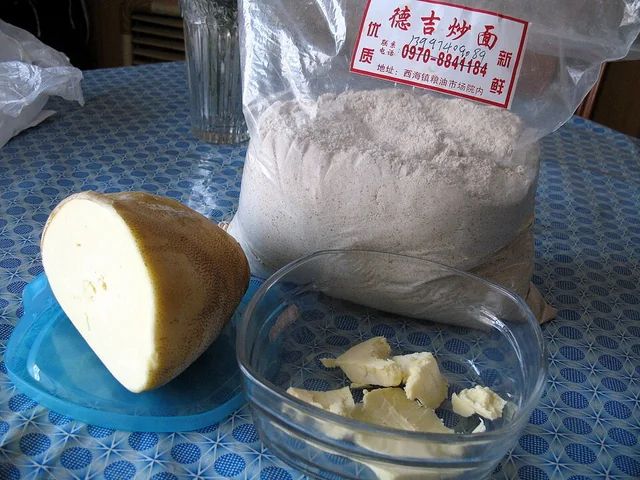 Tsampa 糌粑
The flavor is distinctly toasted and grainy, with richness from butter and a texture that changes with added liquid. It is substantial rather than a light powder garnish.
Source ↗Read the dish guide →Photo adjustments
EXIF orientation applied where present; resized proportionally to at most 640 px on the long edge and encoded as WebP. No crop, retouching, recoloring or subject changes.
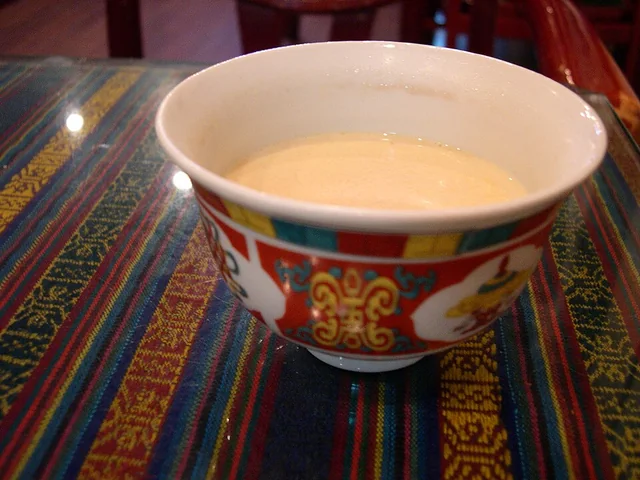 Butter tea 酥油茶
The flavor is savory, tea-bitter and rich, with a smooth fatty mouthfeel rather than the sweetness of commercial milk tea.
Source ↗Read the dish guide → Lhasa sweet tea 拉萨甜茶
The drink is mellow, sweet and milky, with enough tea strength to remain noticeable beneath the dairy.
Source ↗Read the dish guide →Photo adjustments
Resized proportionally to a maximum 640 px long edge, EXIF orientation applied where present, and encoded as WebP. No crop or subject alteration.
 Tibetan broth noodles 藏面AI dish illustration · AI 菜品示意图
The broth is meaty and warming, with relatively straightforward seasoning. The noodles may retain a firm center as part of the style.
Source ↗Read the dish guide → Yogurt rice 酸奶拌饭AI dish illustration · AI 菜品示意图
The rice is soft and mildly sweet from its grain, while the yogurt is creamy and distinctly tart; temperature also changes the contrast.
Source ↗Read the dish guide → Dried yak meat 风干牦牛肉AI dish illustration · AI 菜品示意图
The result is concentrated in meat flavor, with a firm chew that can range from pliable to very hard. Fat content changes the texture substantially.
Source ↗Read the dish guide → Lulang stone-pot chicken 鲁朗石锅鸡AI illustration · AI 示意图
Tender chicken and a savory broth lead, while mushrooms can add earthy fragrance and springy texture. The pot remains hot long after arriving.
Source ↗Read the dish guide →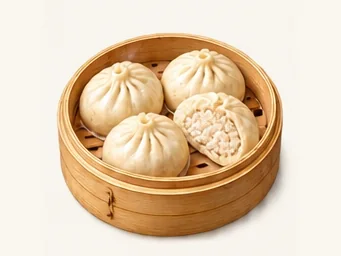 Cheese-curd buns 奶渣包子AI illustration · AI 示意图
The bread is fluffy and mild, while the center is denser, gently tangy and distinctly dairy-flavored rather than a meat filling.
Source ↗Read the dish guide →All dish names · 全部菜名 (75)
- Tsampa · 糌粑
- Butter tea · 酥油茶
- Lhasa sweet tea · 拉萨甜茶
- Tibetan broth noodles · 藏面
- Yogurt rice · 酸奶拌饭
- Dried yak meat · 风干牦牛肉
- Lulang stone-pot chicken · 鲁朗石锅鸡
- Cheese-curd buns · 奶渣包子
- Guthuk New Year soup · 古突
- Tibetan yak hotpot · 藏式牦牛肉火锅
- Khapse fried pastries · 卡塞
- Highland-barley flatbread · 青稞饼
- Shigatse pengbi pea jelly · 朋必
- Crystal potato noodles · 水晶土豆粉
- Yanjing jiajia noodles · 盐井加加面
- Lhasa meat-filled momo · 拉萨藏包子
- Yak beef in sour soup · 酸汤牦牛肉
- Gamba lamb soup · 岗巴羊肉汤
- Matsutake chicken soup · 松茸鸡汤
- Roast Tibetan pork · 烤藏香猪
- Tibetan nettle porridge · 荨麻粥
- Butter-roasted mushrooms · 色夏玛扎(酥油烤蘑菇)
- Beef with sour radish · 酸萝卜炒牛肉
- Makye Ame vegetable rolls · 玛吉阿米素菜卷
- Tibetan masen barley & butter sweet · 西藏玛森
- Tibetan-style curry potatoes · 藏式咖喱土豆
- Tibetan butter-and-curd cake · 藏式酥酪糕
- Tibetan pickled-greens soup · 藏式酸菜汤
- Nagqu beef over rice · 那曲牛肉盖饭
- Curry Beef Tripe · 咖喱牛肚
- Fragrant Pig Pork Pancakes with Matsutake Sauce · 香猪薄饼配松茸酱
- Xiabujing Tibetan Dish · 夏布精
- Plain-Cooked Beef Tongue · 原味牛舌
- Soy-Braised Yak Trotters · 酱烧牦牛蹄
- Roast Lamb Ribs · 烤羊排
- Radish Hot Pot · 萝卜拉锅
- Snowland Sheep's Head · 雪域羊头
- Stir-Fried Shredded Beef with Sour Radish · 酸萝卜炒牛肉丝
- Stuffed Sheep Lung · 灌羊肺
- Yak Jerky · 牦牛肉干
- Yak Meat Hot Pot · 牦牛肉火锅
- Tibetan Steamed Dumplings · 藏式包子
- Tibetan-Style Curry Beef · 藏式咖喱牛肉
- Tibetan Yogurt · 酸奶
- Dried Cheese Curds · 奶渣
- Yak Meat Stewed with Radish · 萝卜炖牦牛肉
- Tibetan Blood Sausage · 藏式血肠
- Wind-Dried Meat · 风干肉
- Highland Barley Wine · 青稞酒
- Tibetan-Style Yak Meat · 藏式牦牛肉
- Gamba Mutton · 岗巴羊肉
- Yadong Wood Ear Chicken Stew · 亚东木耳炖鸡
- Phari Yak Meat · 帕里牦牛肉
- Cheese Curd Cake · 奶渣糕
- Qamdo Jiajia Noodles · 昌都加加面
- Yak Meat Soup Hot Pot · 牦牛肉汤锅
- Wind-Dried Beef · 风干牛肉
- Tibetan Fragrant Pig · 藏香猪
- Rice with Droma Tubers · 人参果饭
- Nyingchi Matsutake Chicken Stew · 林芝松茸炖鸡
- Ba River Fish · 巴河鱼
- Yak Meat · 牦牛肉
- Tibetan Yogurt · 藏式酸奶
- Chicken Stewed with Palm Ginseng · 手掌参炖鸡
- Medog Stone Pot Fish · 墨脱石锅鱼
- Shannan Yarlung Wind-Dried Meat · 山南雅砻风干肉
- Lhunze Black Highland Barley Tsampa · 隆子黑青稞糌粑
- Qonggyai Highland Barley Wine · 琼结青稞酒
- Gyaca Walnut Cake · 加查核桃饼
- Comai Mutton · 措美羊肉
- Yak Meat Soup · 牦牛肉汤
- Nagqu Yak Meat · 那曲牦牛肉
- Hand-Grabbed Mutton · 手抓羊肉
- Ngari Roast Mutton · 阿里烤羊肉
- Mutton Soup · 羊肉汤
Top sights in Tibet (Xizang)
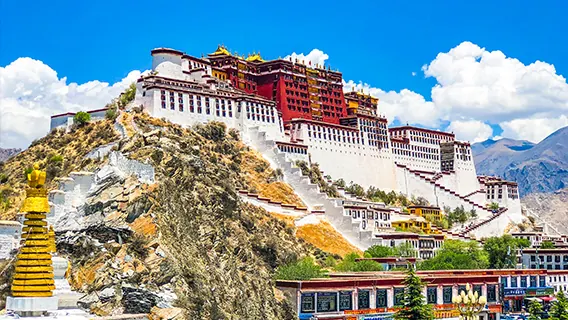 TOP1拉萨
The Potala rises from Marpo Ri, Lhasa’s Red Hill, as a stepped mass of white walls surrounding the crimson Red Palace. Its former residential and ceremonial spaces trace the history of the Dalai Lamas, while chapels and gilded…
 TOP2拉萨
Namtso is a large saline lake set beside the Nyainqentanglha mountains. Its exposed water, distant snow peaks and rocky shore give it a very different character from Tibet’s river valleys. At the southeastern corner, Tashi Dor…
 TOP3林芝
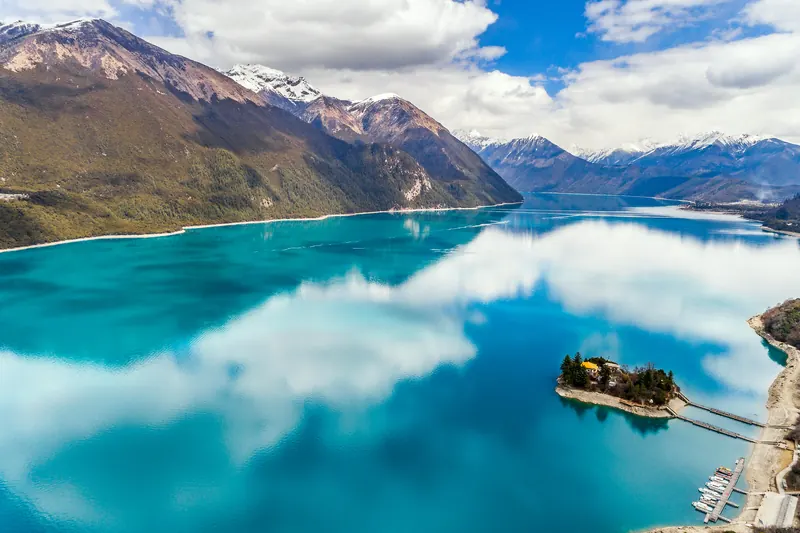
Basum Tso occupies a glacially shaped valley in Gongbo’gyamda, with green water enclosed by forested mountains. The small Tashi Island near the southwestern shore holds Tsodzong Monastery, giving the lake a distinct religious…
 TOP4林芝
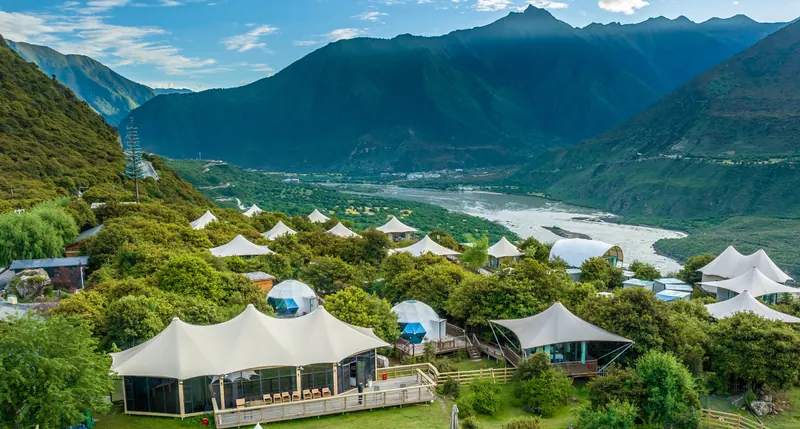
The Yarlung Tsangpo cuts around Namcha Barwa at the eastern end of the Himalayas, creating a landscape of deep relief, forested slopes and a powerful river far below the snow peaks. The visitor area near Pai introduces this…
 TOP5山南市
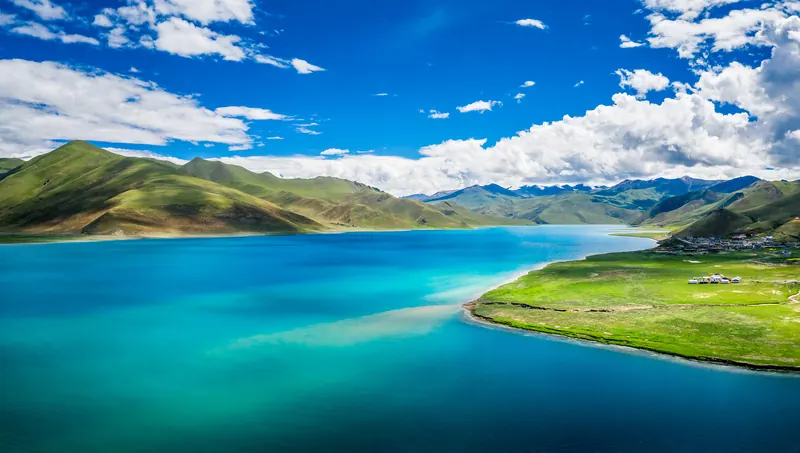
Yamdrok Yumtso 羊卓雍错
Show on map TOP6拉萨
Jokhang Temple faces west onto Barkhor Square in Lhasa’s old town. Founded in the seventh century and enlarged over many generations, the temple is especially associated with the Jowo Shakyamuni image, traditionally linked with…
 TOP7城关区
Princess Wencheng Drama 《文成公主》大型史诗剧
Show on map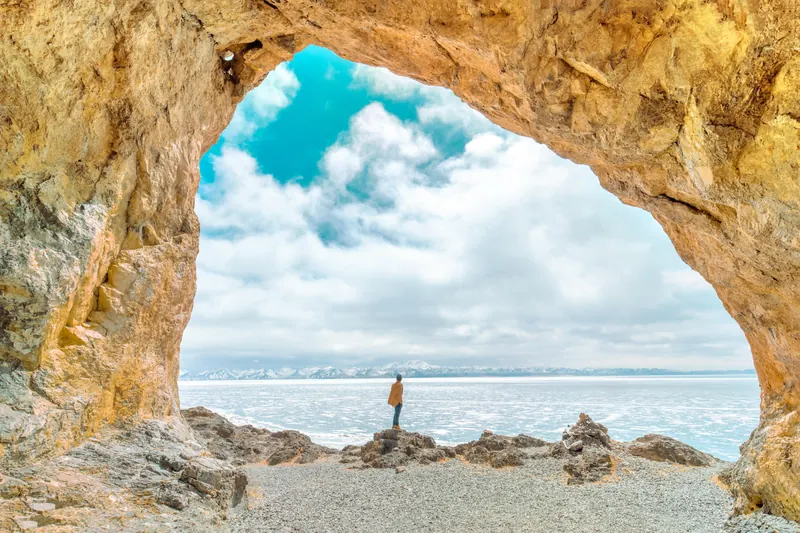 TOP8那曲市
Nam Co Sheng Xiang Tian Men 纳木措圣象天门
Show on map TOP9阿里
Kailash is the distinctive sacred peak rising above Darchen in western Tibet's Gangdise Mountains.
 TOP10定日县
Mt Qomolangma National Park 珠穆朗玛峰国家公园
Show on map
 Show on map


Change your destination on Trip.com.
Ranking source & photo credits
The first ten entries of Trip.Best Best Things to Do. Rankings reflect platform recommendations, not counts of international visitors. Read on 20 September 2026; platform pages may use cached snapshots.
- Potala Palace: Source: Trip.com · Resized and WebP compressed; fitted to the ranking card.
- Namtso: Source: Trip.com · Resized and WebP compressed; fitted to the ranking card.
- Basum Tso: Source: Trip.com · Resized and WebP compressed; fitted to the ranking card.
- Yarlung Tsangpo Grand Canyon: Source: Trip.com · Resized and WebP compressed; fitted to the ranking card.
- Yamdrok Yumtso: Source: Trip.com · Resized and WebP compressed; fitted to the ranking card.
- Jokhang Temple: Source: Trip.com · Resized and WebP compressed; fitted to the ranking card.
- Princess Wencheng Drama: Source: Trip.com · Resized and WebP compressed; fitted to the ranking card.
- Nam Co Sheng Xiang Tian Men: Source: Trip.com · Resized and WebP compressed; fitted to the ranking card.
- Kangrinpoche: Source: Trip.com · Resized and WebP compressed; fitted to the ranking card.
- Mt Qomolangma National Park: Source: Trip.com · Resized and WebP compressed; fitted to the ranking card.
Cities, counties & districts in Tibet (Xizang)
7 areas belong directly to Tibet (Xizang).
7 areas
Lhasa 拉萨市
Lhasa is the capital and largest city of the Tibet Autonomous Region of China. It is a prefecture-level city that covers an area of 29,274 square kilometres (11,303 sq mi) of rugged and sparsely populated…
8 local areas →Prefecture-level cityXigazê 日喀则市
Shigatse, officially known as Xigazê (Tibetan: གཞིས་ཀ་རྩེ་, Wylie: gzhis ka rtse, ZWPY: xigazê) or Rikaze, is a prefecture-level city in the south-central and southwestern parts of the Tibet Autonomous Region…
18 local areas →Prefecture-level cityQamdo 昌都市
Chamdo, officially Qamdo (Tibetan: ཆབ་མདོ, Wylie: chab mdo, ZWPY: qamdo) and also known in Chinese as Changdu, is a prefecture-level city in the eastern part of the Tibet Autonomous Region, China.
11 local areas →Prefecture-level cityNyingchi 林芝市
Nyingchi (Tibetan: ཉིང་ཁྲི་གྲོང་ཁྱེར།, Wylie: nying khri grong khyer), also known as Linzhi or Nyingtri, is a prefecture-level city in the southeast of the Tibet Autonomous Region in China.
7 local areas →Show fewer areas
Shannan 山南市
Shannan, also known as Lhoka (Tibetan: ལྷོ་ཁ།, Wylie: lho kha, ZWPY: lhoka; Chinese: 洛卡; pinyin: Luò kǎ), is a prefecture-level city in the southeastern Tibet Autonomous Region, China.
12 local areas →Prefecture-level cityNagqu 那曲市
Nagqu (also Naqu, Nakchu, or Nagchu; Tibetan: ནག་ཆུ།, Wylie: Nag-chu, ZWPY: Nagqu; Chinese: 那曲; lit. 'black river') is a prefecture-level city in the north of the Autonomous Prefecture of Tibet.
11 local areas →PrefectureNgari Prefecture 阿里地区
Ngari Prefecture (Tibetan: མངའ་རིས་ས་ཁུལ།, Wylie: mnga' ris sa khul, ZWPY: ngari sakü) or Ali Prefecture (simplified Chinese: 阿里地区; traditional Chinese: 阿里地區; pinyin: Ālǐ Dìqū) is a prefecture of China's…
7 local areas →No areas match this name.
Arrive, stay & get around Tibet (Xizang)
交通枢纽、住宿与天气
Lhasa拉萨
This Tibet (Xizang) entry uses Lhasa as its selected gateway city. It does not describe transport coverage across the entire region.
Airports
Lhasa Gonggar International AirportLXA
拉萨贡嘎国际机场
Airport in Gonggar County, Shannan, serving Lhasa. It requires an onward road transfer into the city.
Railway stations
Lhasa Railway Station
拉萨站
The main rail gateway in Liuwu, south of the river, with onward urban road transport.
Metro & city transport
Lhasa city buses
拉萨公交
City buses provide local public transport; Lhasa has no operating urban metro. Airport and regional journeys use separate road or rail services.
Coaches, ferries & onward travel
Lhasa Gonggar Airport coach
拉萨贡嘎国际机场民航大巴
Official 2026 guidance lists airport-coach connections including Liuwu Coach Station. Select the current city boarding point and tell staff where you will alight.
Transport reference review: 2026-09-06. Consult the operator for current services and timetables.
More about getting around
Lhasa is served by Gonggar airport and the railway, with onward road journeys arranged around the approved itinerary. Official travel advice confirms permit and organised-tour requirements for foreign visitors. Check current entry and access requirements, including route-specific restrictions, before purchasing non-refundable transport.
Stay in Tibet
Begin with a comfortable Lhasa base that allows easy returns between visits. Check heating, lift access and the distance from vehicle drop-off, rather than judging by palace views alone. Choose Shigatse or other overnight stops with your specialist according to the agreed route.
Find hotels on Trip.com →Change your destination, dates and guests on Trip.com.
Lhasa weather
The current-hour forecast loads when this section is visible. It uses MET Norway model data for the named city, not station observations.
Seasons & when to go
Strong sunlight can accompany cold air, and temperatures fall markedly after sunset or with increasing elevation. Summer brings more rain to many southern and eastern routes; winter can constrain mountain access. Pack insulating layers and check conditions for each destination, not just Lhasa.
Local life & communication
Lhasa combines active religious life with neighbourhood tea culture; Shigatse, the Yarlung valley and greener Nyingchi have their own settings and histories. A considerate pace and a clear regional focus matter more than collecting distant viewpoints.
Tibetan Buddhism shapes the Potala, Jokhang and many active monasteries, while Norbulingka shows a garden-palace tradition. Give worshippers space, follow the locally indicated direction around sacred circuits, and ask before photographing religious interiors or people. A guide can explain meanings beyond the architecture.
Language & communication
Tibetan is central to local life, with regional varieties and spellings that differ across maps; Mandarin is also used for travel services. Lhasa and Lasa refer to the same city. Keep agreed place names and your accommodation details in both available scripts.
Useful local tips
- Choose Lhasa plus one regional extension before adding distant stops. Map distance alone is insufficient for planning a Tibet itinerary.
- UK FCDO advice checked on 5 September 2026 states that visiting the Tibet Autonomous Region requires a permit through a specialist Chinese travel agent and an organised tour. Confirm nationality-specific eligibility and the approved route directly before committing.
- Ask permission before taking photographs inside Buddhist monasteries and follow the rules of each place.
- Use Chinese names alongside English or Tibetan-derived spellings when discussing sites with an operator; Basum Tso, for example, is 巴松措.
- This guide does not assess altitude fitness or prescribe acclimatisation or medication. Obtain qualified individual advice and avoid treating food or tea as a remedy.
Sources & useful links
- UNESCO: Historic Ensemble of the Potala Palace, Lhasa
- China National Tourist Office: Tibet
- Tibet Culture and Tourism: A-rated scenic area directory
- Tibet Culture and Tourism: scenic locations
- Tibet Culture and Tourism: food across three meals and four seasons
- State Ethnic Affairs Commission: sweet-tea houses
- Tibet government: plateau cuisine report
- UK FCDO: China regional travel advice
- Tibet (Xizang) — population background
- Tibet (Xizang) — languages background
- Tibet (Xizang) — geography background
- Tibet (Xizang) — Lhasa map reference
- Tibet (Xizang) — Lhasa Gonggar Airport map reference
- Tibet (Xizang) — Potala Palace map reference
- Tibet (Xizang) — Jokhang Temple map reference
- Tibet (Xizang) — Norbulingka map reference
- Tibet (Xizang) — Shigatse map reference
- Tibet (Xizang) — Tashilhunpo Monastery map reference
- Tibet (Xizang) — Drepung Monastery map reference
- Tibet (Xizang) — Sera Monastery map reference
- Tibet (Xizang) — Ganden Monastery map reference
- Tibet (Xizang) — Samye map reference
- Tibet (Xizang) — Yamdrok Lake map reference
- Tibet (Xizang) — Namtso map reference
- Tibet (Xizang) — Gyantse map reference
- Tibet (Xizang) — Nyingchi map reference
- Tibet (Xizang) — Mount Kailash map reference
- Tibet (Xizang) attraction ranking source
- Tibet (Xizang) specialty reference — wlt.xizang.gov.cn
- Tibet (Xizang) specialty reference — www.xizang.gov.cn
- Tibet (Xizang) specialty reference — wlt.xizang.gov.cn
- Tibet (Xizang) specialty reference — wlt.xizang.gov.cn
- Shannan tourism: masen
- Lhasa: local curry-potato food culture
- 藏式酥酪糕 — local food reference
- 那曲牛肉盖饭 — local food reference
- Local food reference: 咖喱牛肚